The mod
What the reMarkable AI diary actually is
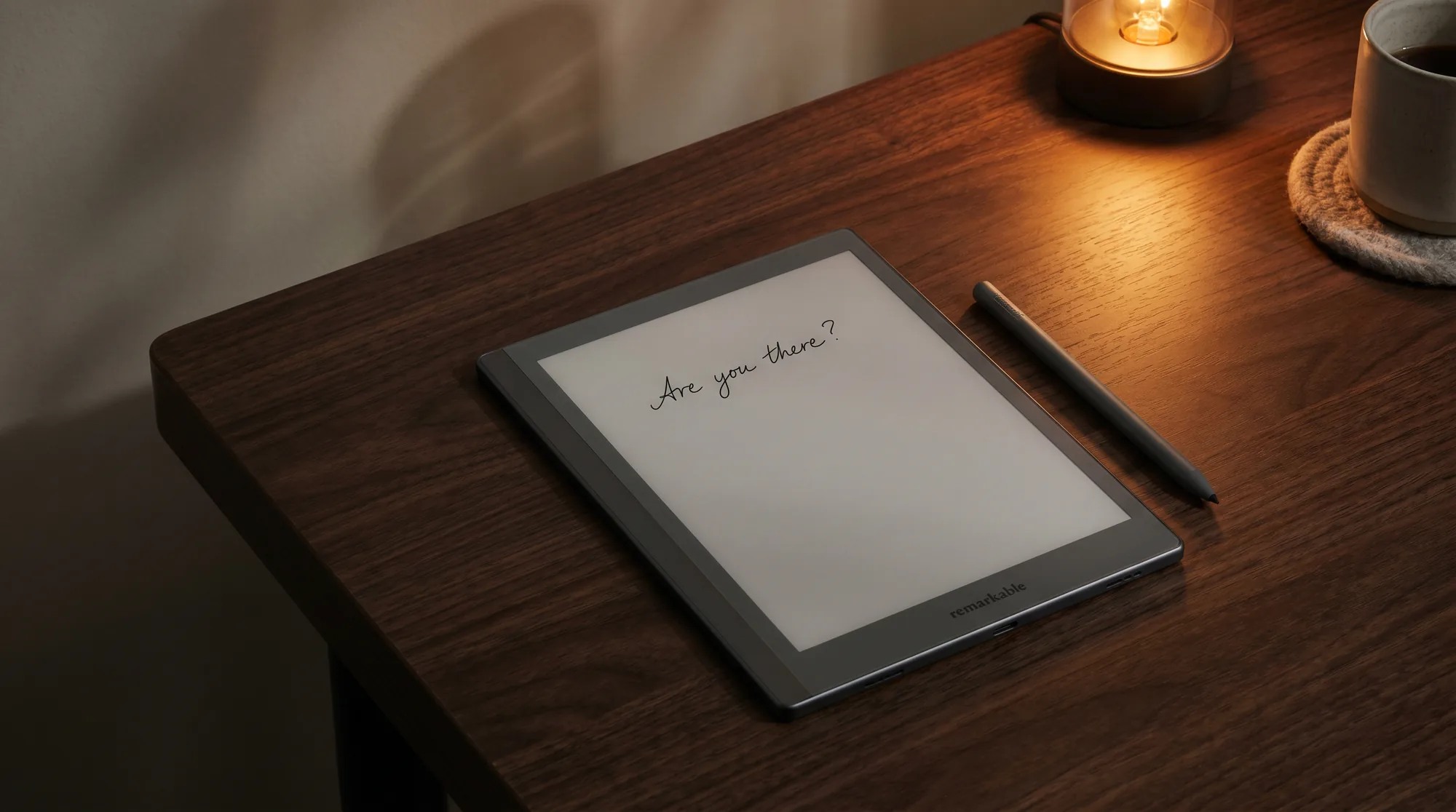
The reMarkable AI diary going around this week is a mod called Riddle, and it does exactly what the name promises. A Canadian developer, Maxime Rivest, rebuilt Tom Riddle’s diary from Harry Potter and the Chamber of Secrets on the reMarkable Paper Pro. You write a line with the pen, the ink drinks off the page the way it did when Harry first wrote in the diary, and a few seconds later a reply appears in a flowing, handwritten style. It is open source, it is free to clone, and it went from a personal project to broad tech-press coverage in a matter of days.
It is worth being precise about what this is, because the framing decides whether it is a fun weekend build or a false promise. Riddle is not a setting reMarkable shipped, and it is not an app in a store. It is code you install yourself, published on GitHub, that turns a writing tablet into a conversation partner. That distinction matters more than it sounds, and we will come back to it.
How it works
How writing on paper gets an answer back
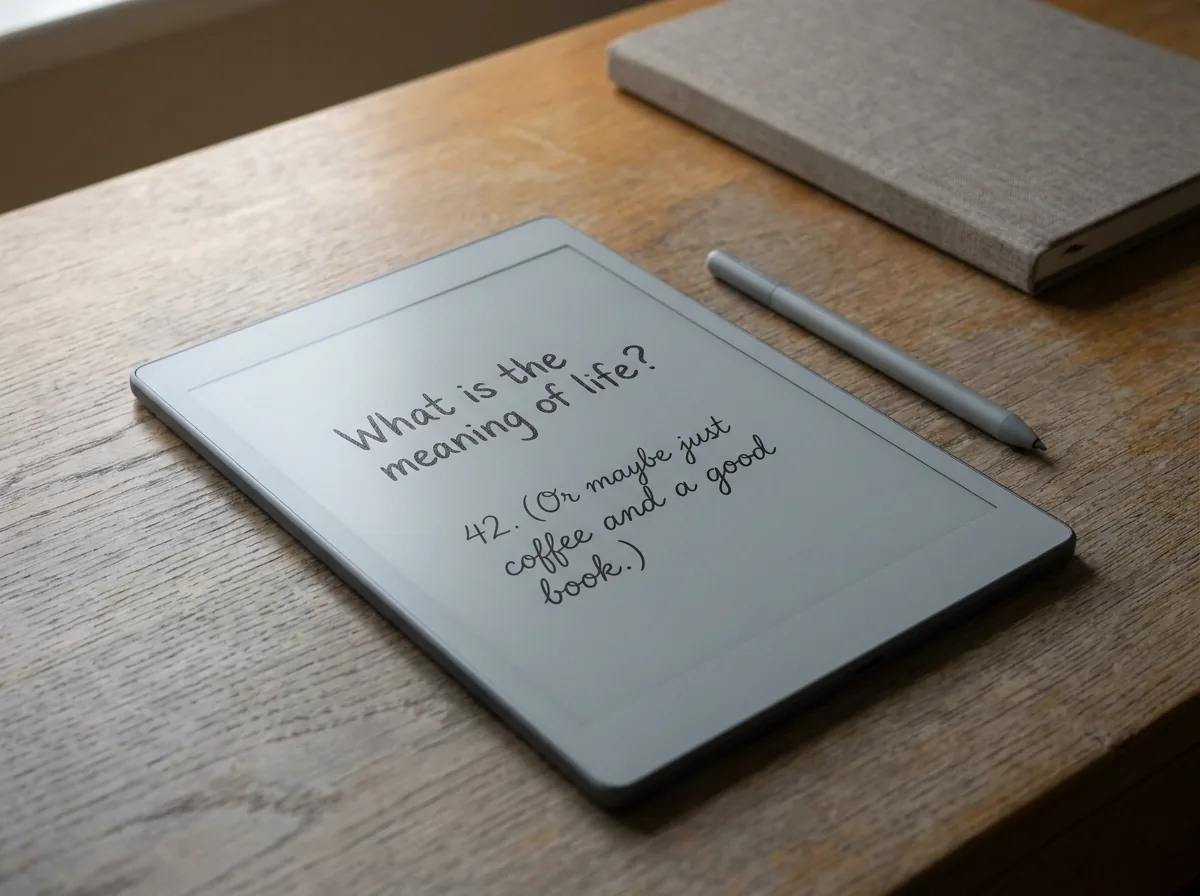
Under the surface the loop is simple, which is part of why it lands. The mod takes a snapshot of the handwritten page, sends that image to a vision-capable language model, and streams the reply back onto the e-ink display. The reply starts arriving almost at once, and the handwriting animation begins before the model has finished writing the full response, so the page seems to think out loud rather than pause and dump a block of text.
The build itself is lean. Riddle is written in Rust and was made with Claude Fable 5. It talks to any OpenAI-compatible API, which in practice means it works with OpenAI, OpenRouter, Groq, and local servers that accept image input. So the “brain” is swappable: the diary does not care which model answers, only that the model can read a picture of your handwriting and reply.
The reaction
Why the Tom Riddle diary went viral
Plenty of people have bolted a chatbot onto a device before, and most of those demos slide past without a ripple. This one traveled because it borrowed a memory instead of inventing one. Anyone who read the books already knows the eerie feeling of a page that writes back, so the mod arrived with its story pre-loaded. The trick is not the model answering; it is the answer arriving in ink, on a page that just drank your words.
The trick is not the model answering; it is the answer arriving in ink, on a page that just drank your words.On why it traveled
The other reason is contrast. The reMarkable sells itself as the quiet device, the one with no notifications and no store, the tablet you buy to get away from software that talks. Watching that same calm slab hold a conversation is a small, funny subversion, and small funny subversions are what the internet forwards. Outlets including TechRadar, Android Authority, and Notebookcheck all picked it up in the same week, which for a niche hardware hack is a loud room.
The catch
A hack you run, not a product you buy
Here is the honest part, and the reason a viral clip does not translate into a checkout button. Riddle is a software mod, not a plug-and-play feature. To run it you clone a repository, build a Rust project, point it at a model with your own API key, and get it talking to the device. None of that is beyond a comfortable tinkerer, but it is a world away from downloading a file and opening it, and it carries the usual risks of running unofficial code on hardware you paid a lot for.
It also means there is a running cost. Every reply is an API call, so the diary bills to whichever model you wire in. That is fine for a novelty and a real consideration for daily use. We are flagging all of this plainly because we make templates, not firmware, and we would rather point you at the actual project than pretend there is a Templacity version of a magic diary. There is not, and we would tell you if there were.
The bigger shift
What it says about reMarkable and AI
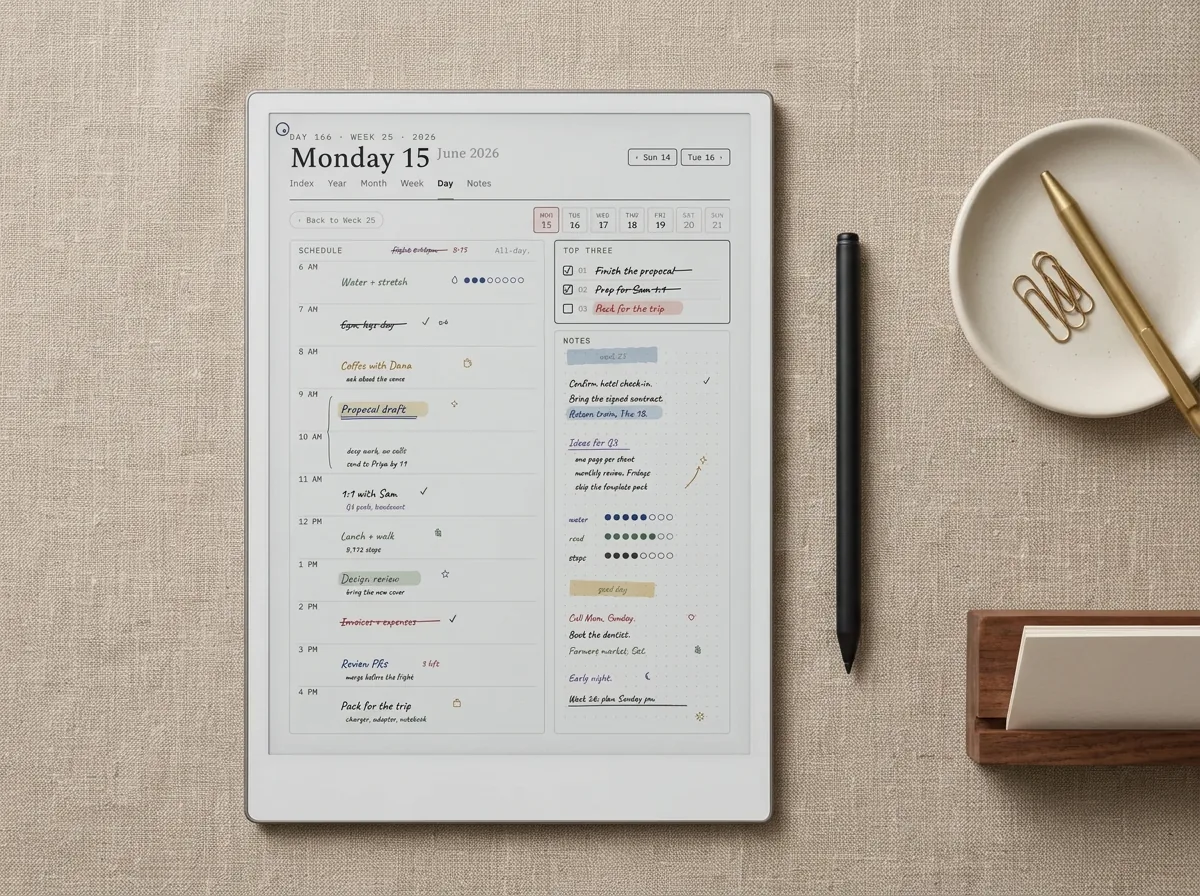
Step back from the Harry Potter costume and the diary is a preview of a question a lot of e-ink owners are starting to ask: what does reMarkable AI look like when it grows up. The hardware is already a near-ideal input surface for a model, since handwriting is exactly the messy, personal signal that vision models have gotten good at reading. A snapshot, a reply, a page that answers, that is a pattern with far more uses than a party trick, from turning scribbled notes into a clean summary to answering a question without reaching for a phone.
Some of that already comes in a box: iFLYTEK built its AINOTE 2 around AI note-taking, and our AINOTE 2 vs reMarkable Paper Pro comparison weighs it against the Paper Pro this mod runs on.
Whether the official software leans into that or leaves it to modders is the open question, and it is the reason the durable search interest here is not “Tom Riddle” but “reMarkable AI” in general. The meme fades in a fortnight. The curiosity about a thinking paper tablet does not. If you are weighing the device itself against the obvious alternative, our reMarkable versus iPad breakdown and our roundup of reMarkable alternatives are the calmer places to start.
If you want to tinker
How to try the diary yourself, carefully
If none of the caveats scared you off, the starting point is the project itself. The code lives on GitHub under Maxime Rivest’s Riddle repository, with the setup steps in the readme. You will want a model with vision and an OpenAI-compatible endpoint, an API key for it, and enough comfort with a command line to build a Rust project. Back up anything you care about first, treat it as an experiment rather than a daily driver, and remember that unofficial mods can break with a firmware update.
The same AI wave is changing how people shop for these devices. Our data study on ChatGPT e-reader recommendations found Reddit is the most-cited source on every e-ink topic we measured, which says the community reaction to mods like this one feeds straight back into what the models tell the next buyer.
For most owners the honest recommendation is to enjoy the clips, keep an eye on where reMarkable AI goes next, and leave the soldering to the people who find that part fun. If you do build it, we would love to hear how it holds up past the novelty, so tell us in the comments and we will fold the best notes back into this post as the story develops.
FAQ
Common questions, answered briefly
Does the reMarkable have built-in AI?
Can I buy the Tom Riddle diary for my reMarkable?
Which reMarkable does the diary mod work on?
Does it cost money to use once it is set up?
If your question is not above, drop it in the comments and we will add it as the mod evolves.
People also ask