What it is
What an airbnb welcome book is for
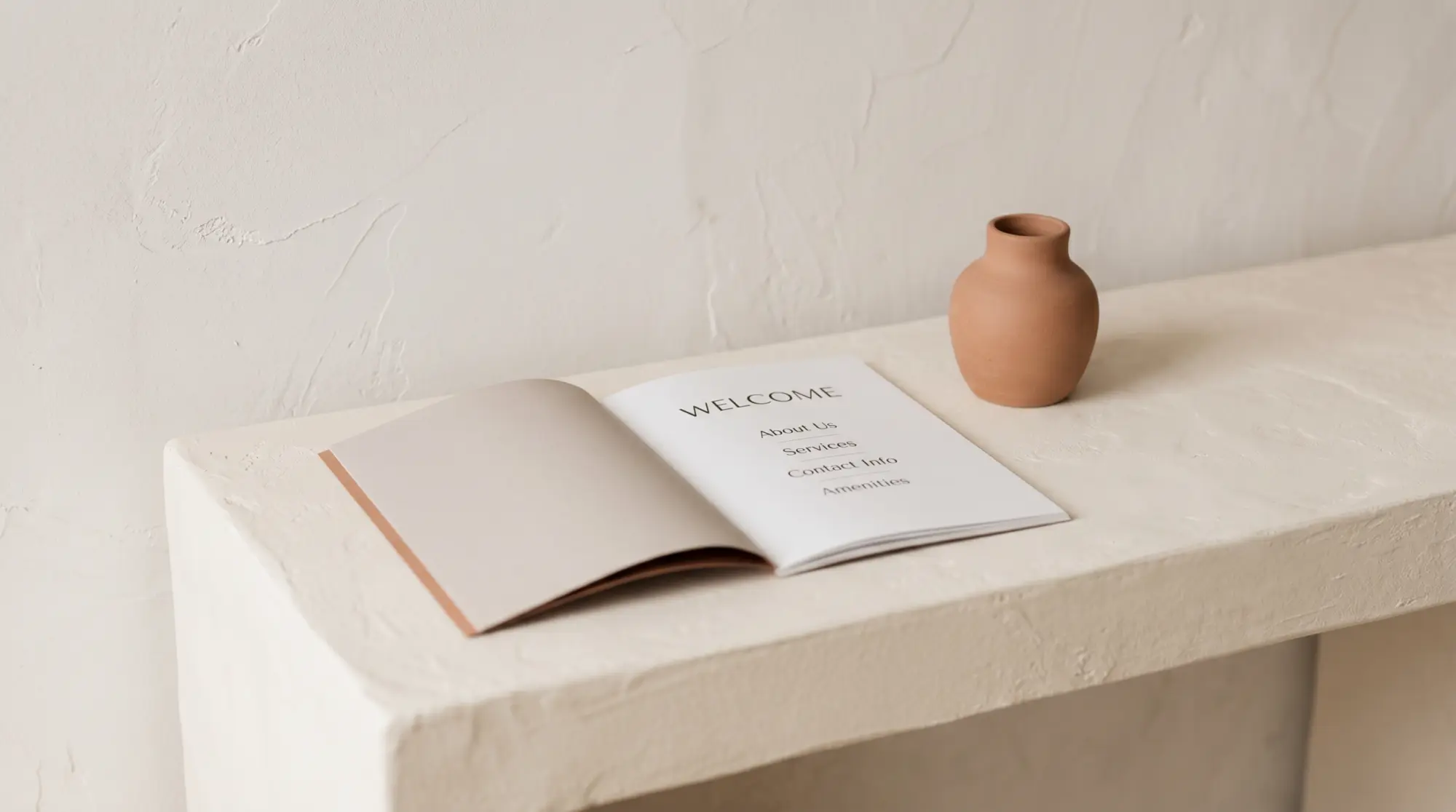
An airbnb welcome book is the printed binder on the kitchen counter, the PDF emailed before arrival, or the QR code by the door. The job is the same regardless of format: answer the obvious guest questions before they have to ask.
Treat it as a reference document, not a brochure. The guest is reading on a phone, tired, half-unpacked. They want the wifi, the check-out time, and one good coffee recommendation. The rest is decoration.
The six sections
The six sections every airbnb welcome book needs
1. Welcome note
One paragraph. Greet the guest, tell them where to find the most important thing (wifi password, usually), name yourself. Skip the property history; nobody reads it. The welcome note is the door the guest walks through, not the room they spend time in.
2. Wifi, check-in, check-out
The operational core. Network name, password, what to do if the router fails. Door code or key location. Check-out time and the four-line check-out list (dishes, towels, trash, lock the door). Two pages, max.
3. The home (appliances and quirks)
Coffee maker, dishwasher, washer-dryer, thermostat, smart TV, anything non-obvious. One photo per appliance plus two lines on how to use it. Add quirks: the bathroom fan that’s on a timer, the dishwasher that needs a specific tab, the heating that takes twenty minutes to warm up.
In a larger or oddly shaped unit, add a layout page to this section. A guest who cannot find the second bathroom, the fuse box or the bin store sends a message about it, and a sketch of the floor answers all three at once without a paragraph. A hand drawn plan is enough for a one bedroom; for a multi level property or one with an annexe, a floor plan rendering reads more clearly than a photo set, because it shows how the rooms connect rather than what each one looks like.
4. The neighbourhood
Five to seven specific picks. One coffee, one casual restaurant, one upscale restaurant, one grocery, one pharmacy, one walk or activity, one transit note (if relevant). Name them. Generic “great food nearby” gets ignored; “Loretta’s, three blocks west, the breakfast burrito” gets bookmarked.
5. House rules
Brief. Quiet hours, smoking policy, pet policy if applicable, shoes-on or shoes-off, parking rules. Phrase as rules, not requests. The guest already agreed to them at booking; this is the reminder, not the contract.
6. Emergencies and host contact
Plumbing leak, power out, smoke alarm, lockout. Two lines each plus a number to call. Host contact at the bottom: phone, preferred channel, honest response time. “I respond within an hour during the day, longer at night” is better than “always available.”
The welcome book that earns its place answers the questions guests would otherwise message. Every section that doesn’t reduce a message is decoration.
Format
Printed binder, PDF, or app: how to format the airbnb welcome book
| Format | Wins on | Loses on |
|---|---|---|
| Printed binder on the counter | Read on arrival, survives offline, halves wifi messages | Goes stale if not refreshed quarterly; weight in the unit |
| PDF emailed pre-stay | Pre-arrival prep, searchable on the phone | Read by maybe 30% of guests |
| Hosted page with QR code | Easy to update, analytics, no print runs | Requires wifi to open; QR fatigue |
| Guest-experience app (Hostfully, Touch Stay) | Polish, push notifications, multi-property scaling | Subscription cost; app friction; another login |
The host setup that consistently works: printed binder on the kitchen counter as the primary, plus the listing’s built-in house manual filled in with the same content. Skip the email PDF and the app unless you’re running ten or more units.
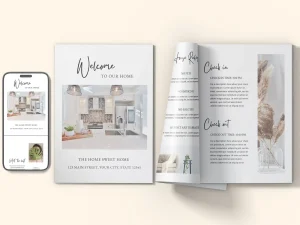
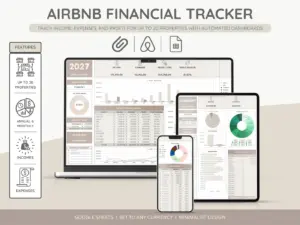
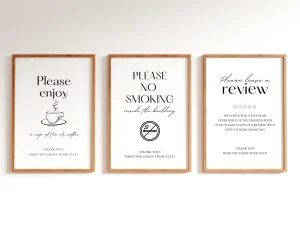
Everything you hand a guest, matched and priced to move together.
Voice
The voice to write the airbnb welcome book in
Friendly, direct, short sentences. Address the guest as “you”. Skip exclamation marks past the welcome line. Skip emoji; they read as Etsy-template, not as warm.
The voice test: read each section aloud. If it sounds like a brochure, rewrite it. If it sounds like a friend leaving a note, ship it.
The print-ready welcome book now ships inside the Airbnb Superhost Bundle, alongside the printable signs and the host spreadsheet. The six-section structure and the voice rules above are the ones it is built on, so writing your own from this page works just as well.
If you’ve got a welcome book that works for your unit, drop a sample in the comments. We’re collecting host-tested examples and crediting hosts who share.
When you would rather start from a designed file, our Airbnb welcome book template covers the same sections in eight designs, ready to brand.
FAQ
Common questions, answered briefly
What should an airbnb welcome book include?
Should the airbnb welcome book be printed or digital?
How long should an airbnb welcome book be?
What’s the most common airbnb welcome book mistake?
Should I include a guest book in the airbnb welcome book?
If yours isn’t above, drop the question in the comments and we’ll fold it in.
People also ask