The honest answer first
Is starting an Airbnb still worth it in 2026?
Before we get into how to start an Airbnb, the question worth answering is whether you should. The short-term rental market has matured. National occupancy has cooled from its pandemic-era highs into the low fifties percent range across many United States markets, according to short-term-rental trackers like AirDNA, and supply has kept climbing. That is not a collapse, but it does mean the easy money has gone.
What still works is a well-run listing in a market with real demand. The hosts who struggle are the ones who bought on a spreadsheet of best-case nights and listed on optimism. The hosts who do fine are the ones who treated it as a small business from day one: a budget, a pricing model, and a clear read on what a normal month actually returns. So yes, it can be worth it, but the margin for guessing is thinner than it was three years ago.
What it costs
What it actually costs to start an Airbnb
Airbnb startup costs split into two buckets: getting the space guest-ready, and the running costs that start the day you list. If you already own or rent the property, the first booking is mostly a furnishing and supplies problem. If you are buying specifically to host, the down payment dwarfs everything else and the maths is a property-investment question first.
| Cost category | Typical range | Notes for a new host |
|---|---|---|
| Furnishing and decor | $3,000 to $10,000+ | Beds, seating, kitchenware. The single biggest one-time spend for most hosts. |
| Photography | $150 to $400 | Pays for itself. Listings with strong photos book at higher rates. |
| Licenses and permits | $0 to $1,000+ | Varies wildly by city. Some require an annual short-term-rental permit. |
| Insurance | $50 to $150 / month | Host-specific cover on top of, or instead of, standard home insurance. |
| Initial supplies | $300 to $800 | Linens, toiletries, coffee, cleaning stock for the first month. |
| Ongoing per booking | Cleaning + platform fee | Cleaning turnover plus Airbnb’s host service fee on every stay. |
Ranges this wide are only useful once you make them yours. The point of a budget is to replace “a few thousand, probably” with a real figure for your space and your city. We keep a running tally of these categories in the Airbnb startup cost spreadsheet, which turns the table above into a number you can actually plan against.
The steps
How to start an Airbnb, step by step
Here is the sequence that takes you from idea to a live listing without skipping the parts that sink new hosts. Work them in order; each step depends on the one before it.
1. Check the local rules before anything else
Short-term rental regulation is the step most first-timers skip and the one most likely to end the plan early. Cities increasingly cap nights, require permits, or ban whole-home rentals in certain zones. Check your city’s short-term-rental ordinance, any homeowners association rules, and your lease if you rent. Do this first, because a permit refusal makes every other step moot.
2. Run the numbers and write a one-page plan
Estimate a realistic nightly rate from comparable listings near you, multiply by a conservative occupancy, and subtract costs. If the result only works at 80 percent occupancy and peak pricing, the listing is fragile. A short Airbnb business plan forces these assumptions onto paper where you can argue with them.
3. Furnish and equip for guests, not for yourself
Guests reward durability and good basics over style for its own sake. Spend on the mattress, the wifi, the kitchen, and blackout curtains. A well-stocked kitchen and fast internet show up in reviews more than a feature wall does. Buy with turnover in mind: things will get used hard.
4. Photograph it and write the listing
Photos do most of the selling. Shoot in daylight, tidy ruthlessly, and lead with the strongest room. Then write a title and description that answer the questions a guest actually has. We go deep on this in the guide to Airbnb listing optimization, but the rule of thumb is simple: show the space honestly and make the first photo earn the click.
5. Price it, publish, and watch the first two weeks
Launch slightly below your target rate to earn the first reviews, then raise prices as your review count grows. The first two weeks tell you whether your pricing and photos match demand. Adjust deliberately, one variable at a time, and record what you change so you can tell what worked. If the same layout question keeps coming back in enquiries, a plan is the cheapest thing to add; floor plan rendering covers what the free tiers give you before anyone quotes for the job.
The listing
Building a listing that books
A listing is a small sales page. The title, the cover photo, and the first two lines of the description carry most of the weight because that is all a guest sees while scrolling. Lead with what makes the place easy to choose: the location, the standout feature, the thing a guest cannot get next door. Save the full tour for the photos and the body text.
Fill in every amenity honestly, set house rules that are firm but not cold, and respond to the first inquiries fast. Airbnb’s ranking rewards responsiveness and completed bookings, so early momentum compounds. New hosts who reply within the hour and keep their calendar accurate climb faster than those with a prettier space and a slow inbox.
The numbers
Pricing and running the numbers from day one
This is where most new hosts lose the thread. Airbnb pays out a nightly rate, but your real return is that rate minus the host service fee, cleaning, supplies, insurance, and a slice set aside for tax. Two listings at the same headline price can return very different amounts once those come out. If you only learn how much you made when the payout lands, you are flying blind.
The fix is unglamorous: track every booking and every cost in one place from the first stay. A simple monthly view of income in, costs out, and what is left is enough to answer the only questions that matter, namely is this listing profitable and which month is quietly losing money. If you want to sanity-check a nightly rate against fees before you commit, the Airbnb host fee calculator does the per-booking maths, and the best Airbnb spreadsheet roundup walks through the tracking options.


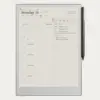
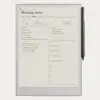
Everything you hand a guest, matched and priced to move together.
Operations
House rules, the welcome book, and guest experience
Once bookings start, the work shifts from setup to running the place smoothly. Two documents do most of the heavy lifting here. Clear Airbnb house rules set expectations before a guest arrives and give you something to point to if a stay goes sideways. A short welcome book answers the questions guests would otherwise message you about, the wifi, the check-out steps, the good coffee nearby.
Good operations are mostly about reducing messages. Every question you answer before it is asked is a five-star review you do not have to chase. Build a simple turnover checklist for whoever cleans, keep the welcome book current, and the listing starts to run with less of your attention each month.
Taxes
Taxes and bookkeeping for a new host
Airbnb income is taxable, and the platform reports earnings to tax authorities above certain thresholds. In the United States the 1099-K reporting threshold has shifted again for 2026, so do not assume last year’s rules apply. The practical takeaway is the same regardless of the threshold: keep clean records, because deductions only count if you can show them.
Most hosting expenses are deductible, from cleaning and supplies to a share of utilities and the platform fees themselves. The official IRS guidance on rental income and recordkeeping is worth a read before your first filing. The hosts who pay the least at tax time are not the ones with clever tricks; they are the ones who logged every expense as it happened.
Hosts who track income and expenses from the first booking know within two months whether the listing works; hosts who wait until tax season find out far too late.What we found
Starting an Airbnb is less a single decision than a sequence of small, checkable ones: the rules, the budget, the setup, the listing, the numbers. Get those in order and the first booking lands on a plan instead of a hope.
FAQ
Common questions, answered briefly
How much does it cost to start an Airbnb?
Is starting an Airbnb still worth it in 2026?
How much do Airbnb hosts make?
Do I need a license to start an Airbnb?
What is the first thing to do when starting an Airbnb?
If your question is not above, drop it in the comments and we will fold it into the guide.
People also ask
Other questions, briefly answered
Sources: Airbnb host resource center, AirDNA short-term rental market data, IRS rental income and recordkeeping guidance.