The basics
What a mid-term rental is
A mid-term rental is a furnished home you rent out by the month, typically for stays of 30 to 180 days, and sometimes up to a year. It is the middle ground between a short-term rental, which is booked by the night the way most Airbnb listings are, and a long-term rental on a standard 12-month lease. The guest moves in with a suitcase rather than a moving truck, because the place comes furnished with everything from beds to cookware, and they stay for weeks or months instead of a weekend. That one shift, from nightly to monthly, changes almost everything about how the property is run, taxed and regulated, which is why mid-term rentals have become their own category rather than a longer Airbnb booking.
The 30-day line is the one that matters most. In many cities, a stay of 30 days or longer is exempt from the short-term-rental rules that cap or ban nightly listings, and it usually falls under landlord-tenant law instead, which means a lease rather than a booking. So a mid-term rental is not just a slower Airbnb; it is often a different legal animal, and that is a large part of its appeal to hosts tired of tightening short-term rules. If you are still deciding whether to host at all, our guide on how to start an Airbnb is the place to begin, and this one picks up for hosts weighing the monthly model.
The demand
Who rents mid-term, and why demand is rising
A mid-term rental answers a need that neither a hotel nor a year-long lease fits: people who need a furnished home for a month or a few months and then move on. The clearest example is the travel nurse, on a 13-week hospital contract in a new city, who cannot sign a year lease and will not live in a hotel for three months. Around that core sit remote workers spending a season somewhere new, families relocating who need a soft landing while they house-hunt, people displaced by a home insurance claim, graduate students and visiting professors, and tradespeople on long project postings. Every one of them wants the same thing: a furnished place, bills included, for a defined stretch of time.
That demand has grown quickly. Furnished Finder, the platform built specifically for monthly stays, reported more than two million traveler inquiries in 2025, an increase of over 100 percent on the year before, and the broader furnished-monthly market has expanded steadily since 2019 as remote work and healthcare travel normalised. For a host, the appeal is a guest who stays for months and treats the place like a home, rather than a churn of weekend visitors. The mid-term rental rides a real, durable trend rather than a seasonal spike.
The comparison
Mid-term vs short-term vs long-term rentals
The fastest way to understand a mid-term rental is to set it beside the two models hosts already know. Each one trades rate against effort and stability in a different way.
| Factor | Short-term | Mid-term | Long-term |
|---|---|---|---|
| Typical stay | 1 to 29 nights | 30 to 180 days | 12 months or more |
| Furnished | Yes | Yes | Usually no |
| Income per night | Highest | Middle | Lowest |
| Turnover and cleaning | Constant | Occasional | Rare |
| Regulation | Heaviest (STR rules) | Lighter (30+ day exempt) | Landlord-tenant law |
| Agreement | Booking | Short lease | Lease |
Read down the columns and the mid-term rental’s case is plain: it keeps the furnished, higher-rate advantage of short-term hosting but strips out most of the turnover, cleaning and regulatory weight that makes nightly hosting a grind. You earn less per night than a busy Airbnb, but you also spend far fewer hours managing it, and a single three-month guest can match the net income of a season of weekend bookings once you subtract cleaning fees, vacancy and the host fees that nightly platforms take.
A mid-term rental keeps the furnished, higher-rate side of short-term hosting and strips out most of the turnover.On where it fits
Where to list
Where to list a mid-term rental
The platform you choose shapes who finds your mid-term rental and what it costs you. Four are worth knowing. Furnished Finder is the one built specifically for monthly stays: it lists only stays of 30 days or longer, charges no booking fees so you keep the full rent, and its audience skews heavily toward travel nurses and relocating professionals, which is exactly the mid-term renter. Airbnb works too, through its monthly-stay setting, where you enable stays of 28 nights or more and apply a monthly discount; you reach Airbnb’s huge audience but still pay its service fees and sit inside its short-term rules. Zillow and the wider rental-listing sites catch relocators searching for furnished monthly homes, and corporate-housing channels and local relocation agents fill units for company stays.
Most established mid-term hosts list on more than one. A common pattern is Furnished Finder for the no-fee, mid-term-native audience plus Airbnb’s monthly setting for reach, so the unit is visible to both the nurse searching a healthcare-travel platform and the family browsing Airbnb for a furnished month. Whichever you pick, the listing has to read as a home for a season, not a holiday let, so lead with the practical: monthly rent, what bills are included, the neighbourhood, and proximity to hospitals or transit.
Setup and pricing
How to set up and price a mid-term rental
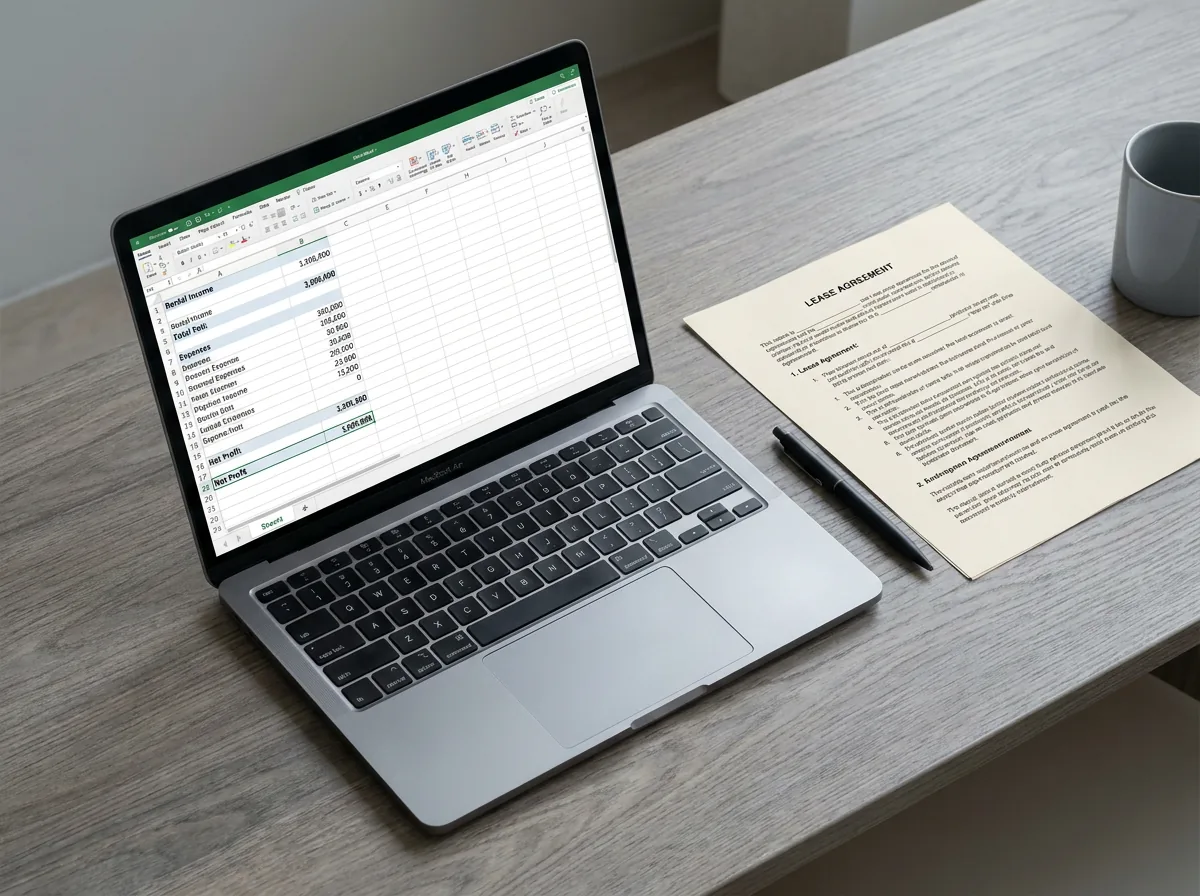
Setting up a mid-term rental sits between furnishing an Airbnb and preparing a long-term lease. The place needs to be fully furnished and genuinely move-in ready, because the whole promise is that a guest arrives with a suitcase: beds and linens, a stocked kitchen, a desk and reliable internet for the remote workers, a washer and dryer, and basic supplies. Bills are normally included in the monthly rent, so build electricity, water, internet and any parking into your number rather than billing them separately. Then price by the month, not the night. Take a fair monthly figure for a furnished, all-inclusive unit in your area, which will land above a long-term unfurnished lease but well below thirty nights of short-term rates, and you have a rent that pencils out for both sides.
The money is steadier than short-term, but it still has to be tracked, especially because furnished monthly rentals carry real expenses: furniture, all those included utilities, restocking and the occasional turnover clean. A simple monthly profit and loss view keeps the model honest, and the same rental tracking spreadsheet hosts use for short-term works here, just with monthly rather than nightly columns. For setting the rate itself, the same demand-and-season thinking in our Airbnb pricing strategy guide applies; you are simply pricing a month at a time. If the property is more than you want to manage alone, a co-host can handle the lighter mid-term workload for a smaller cut than a short-term unit would justify.
The rules
Leases, taxes, and the rules that change at 30 days
The legal side is where a mid-term rental quietly differs from an Airbnb, and it is mostly good news. Because most stays run 30 days or longer, they typically fall outside the short-term-rental ordinances that cap nights, require permits or ban nightly lets in many cities, and instead sit under ordinary landlord-tenant law. In practice that means you use a short written lease for the stay rather than a booking confirmation, and the guest becomes a tenant with the rights and responsibilities that brings. The exact line varies by city and state, so confirm your local definition of a short-term stay before you assume an exemption, but the broad pattern, that crossing 30 days lightens the regulatory load, holds widely.
Tax treatment is its own question. Rental income is still income, furnished-monthly expenses are still deductible, and how a stay is classified can affect which rules apply, so it is worth keeping clean records from the first month and reading our overview of Airbnb and rental taxes before tax season. None of this is a reason to avoid mid-term renting; it is simply the homework that comes with running a furnished home as a small business rather than a hobby listing.


Everything you hand a guest, matched and priced to move together.
The verdict
Is a mid-term rental worth it?
A mid-term rental is worth it when you value stability and your time over squeezing the highest possible nightly rate. The upsides are real: one guest for months instead of forty a year, a fraction of the cleaning and messaging, fewer regulatory headaches, and a renter base of nurses, relocators and remote workers who tend to be steady and respectful. The trade-offs are equally honest: your nightly rate is lower than a peak-season short-term booking, you can sit vacant between guests if you have not lined up the next stay, and you take on the furnishing cost and the small added formality of leases and tenant rights. For a host burned out on turnover, or one in a city tightening its short-term rules, that trade is often a clear win; for someone in a red-hot tourist market with light regulation, short-term may still earn more. Many hosts end up running both, using mid-term stays to fill the slow season and short-term for the peak.
If you have run a mid-term rental, tell us in the comments how the income compared to short-term and which platform actually filled your calendar. Real numbers from hosts sort this decision better than any guide, and they help the next person weighing the monthly model.
FAQ
Common questions, answered briefly
What is a mid-term rental?
How is a mid-term rental different from an Airbnb?
Where can I list a mid-term rental?
Who rents mid-term rentals?
Is a mid-term rental more profitable than short-term?
If yours isn’t above, drop the question in the comments and we’ll add it.
People also ask