Base price
Start with a base price you can defend
Every Airbnb pricing strategy rests on one number you set on purpose: the base price. This is the rate for an ordinary night in an ordinary week, before any seasonal swing or discount. Get it wrong and everything stacked on top of it inherits the mistake.
Set it from comparables, not from what you wish the place earned. Pull five or six active listings that genuinely match yours: same bedroom count, same neighbourhood, similar finish and guest capacity. Look at what they charge on a normal midweek night, not their festival rates. Market-data tools like AirDNA can speed this up, but a careful hour inside the Airbnb app on your own dates works too. Land your base a touch below the comparable average while you have no reviews, then raise it as your rating and history build.
One honest caveat: a brand-new listing with zero reviews is not competing on equal footing with a place that has eighty. Underpricing the first ten stays to earn reviews is a deliberate move, not a failure. You are buying social proof, and it is usually the cheapest marketing you will ever run.
Demand
Price the calendar, not the listing
The most common pricing mistake is treating your nightly rate as a single setting. It is not. Demand moves constantly, and your rate should move with it. The same room is worth one number on a quiet Tuesday in February and a very different number on a Saturday when a concert or a graduation pulls the whole town into your area.
Map your year into three rough tiers: low season, shoulder, and peak. Then layer the weekly rhythm on top, because weekend nights almost always clear at a higher rate than weeknights. Finally, watch your local event calendar. Festivals, conferences, sports fixtures, and university move-in weekends are predictable demand spikes, and they are the easiest money a host leaves on the table by forgetting to raise rates in advance.
Dynamic pricing
Dynamic pricing: manual, native, or third-party
Adjusting rates by hand works when you have one listing and you check it weekly. Past that, most hosts reach for some form of dynamic pricing, where rates shift automatically with demand. There are three honest options, and they are not equal.
- Manual. Free and fully in your control. You set seasonal blocks and weekend rates yourself and revisit them monthly. Best for a single listing where you know your market cold.
- Airbnb Smart Pricing. Built into the platform and free to switch on. It moves your rate within a floor and ceiling you set. Useful as a safety net, though it tends to drift low because filling the calendar is in Airbnb’s interest as much as yours. If you use it, set the minimum yourself, and know that it only holds against Smart Pricing: weekly, monthly and trip length discounts override it.
- Third-party tools. Services such as PriceLabs or Wheelhouse model demand more aggressively and give finer control, usually for a small monthly fee or a slice of revenue. Worth it once you run multiple listings or a high-turnover market.
Whatever you choose, the non-negotiable is the floor, and the floor is a number you enforce rather than a setting you switch on. Read how Airbnb Smart Pricing calculates suggestions before you trust it, and note what that same page says: weekly, monthly and trip length discounts override Smart Pricing, so a discounted booking can come in below the minimum you set while the settings screen still shows your number. Work the discount into the math rather than assuming the rail catches it, and never let any automated tool drop you below the rate where a booking actually makes you money. That floor comes straight from your host fees and running costs, which is why the math section below matters more than the tool you pick.
Discounts
Discounts that fill gaps without leaking money
Discounts are a pricing tool, not a concession. Used well, they fill nights that would otherwise sit empty. Used carelessly, they hand away revenue you would have earned anyway.
- Length-of-stay discounts. A weekly or monthly rate that trims the nightly price in exchange for fewer turnovers. Each turnover costs you a cleaning slot and a vacancy risk, so a modest weekly discount often nets more than it gives up.
- Orphan-gap discounts. When a one or two night gap opens between bookings, a small targeted discount on those exact nights is far better than a hard-to-fill hole. Many hosts set an automatic rule for gaps under three nights.
- Last-minute discounts. An unbooked night tonight earns nothing, so a small reduction inside the final few days is usually rational. Keep it small; trained bargain-hunters will wait for it if it is generous.
An unbooked night earns nothing, so the question is never whether to discount, only how little it takes to fill the gap.
Peak nights
Charge more when the night is worth more
The flip side of discounting is the part hosts underuse: raising rates when demand clearly outruns supply. Weekends, holiday weeks, and local events are the obvious ones. The trick is to set those higher rates weeks ahead, while the dates still read as normal on your calendar, rather than scrambling once you notice the area is selling out.
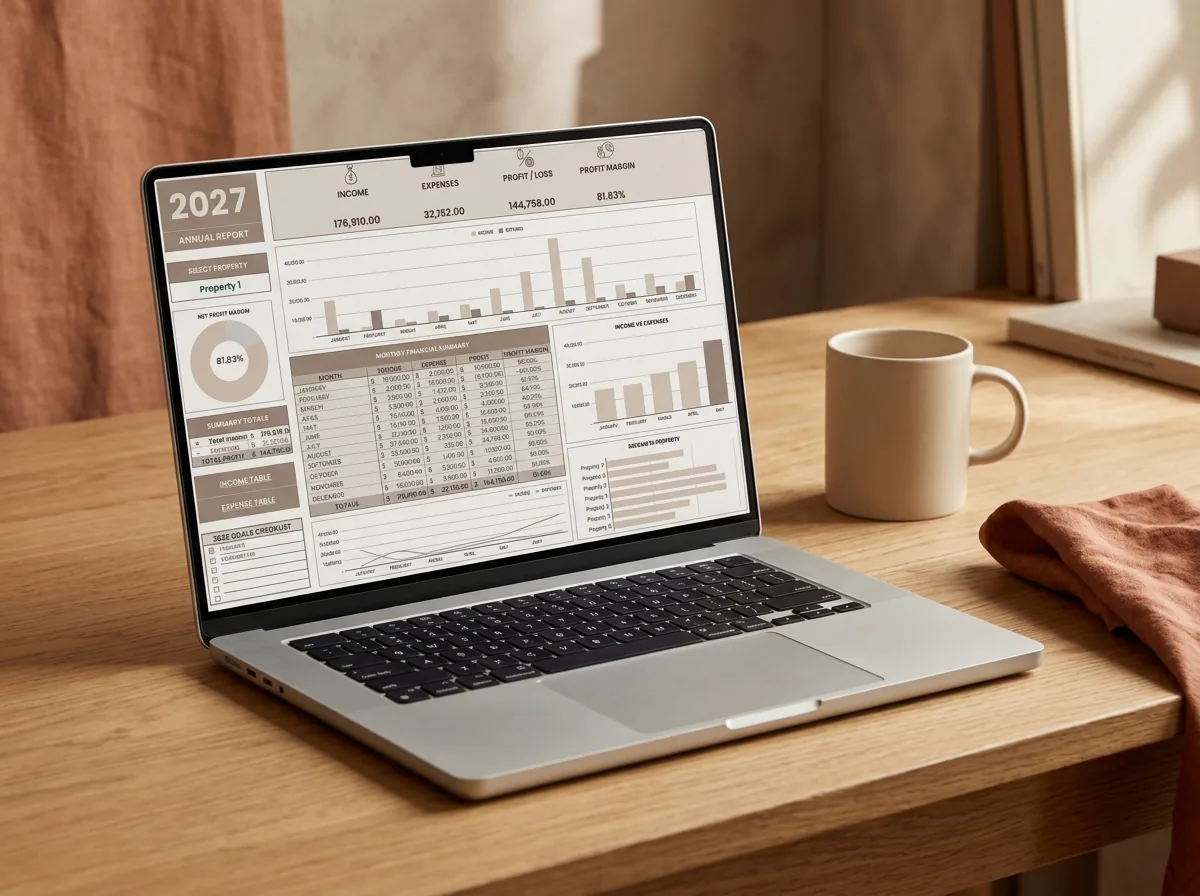
Be specific about your own market. A lake cabin and a downtown studio peak on opposite calendars. Track which weekends sold out fastest last year and which sat empty, and let that history shape next year’s rates. This is also where good record-keeping pays off, because you cannot price next August well if you cannot remember what last August actually did.
True payout
The math that decides your real take-home
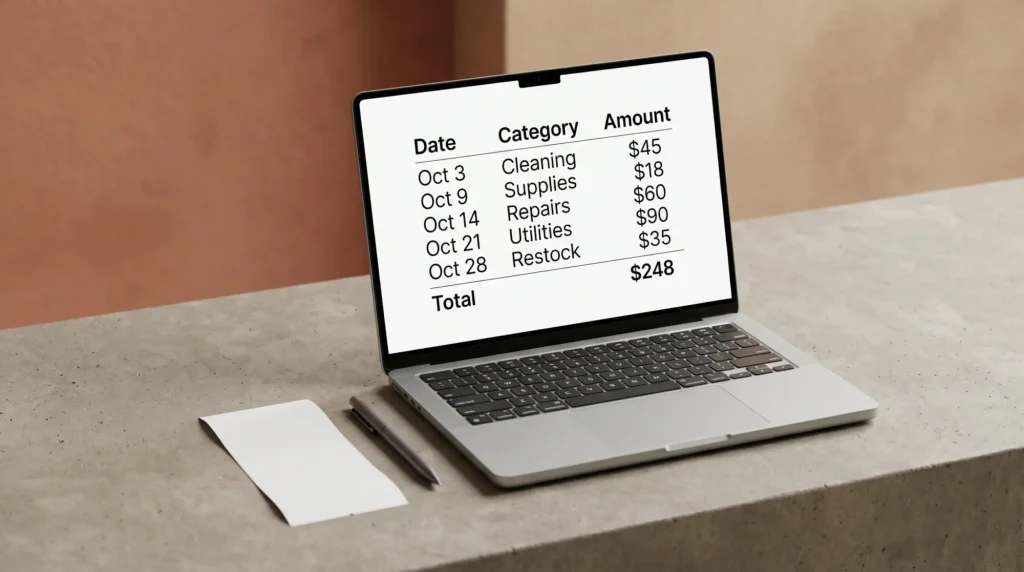
A nightly rate is a headline, not a paycheck. What lands in your account is the rate minus the host service fee, minus cleaning and supplies, minus your fixed monthly costs spread across the nights you actually book. Two listings with the same nightly price can pay out very differently once those numbers run.
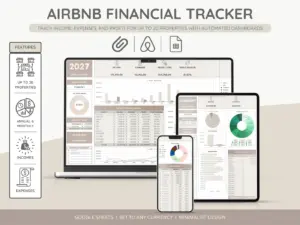
So any pricing decision should end at the payout, not the headline. Before you set a season’s rates, run the real numbers: our fee calculator and host fee calculator show what the platform takes, the profit calculator nets it against costs, and the startup cost spreadsheet captures the fixed outlay you need to recover. If you would rather model whole seasons in one place, our Airbnb host spreadsheet lets you drop in rates and occupancy and see the true payout before you commit to a number. No tool replaces judgment, but pricing in the dark is how hosts work hard for a thin margin.


Everything you hand a guest, matched and priced to move together.
Iterate
Review and adjust on a schedule
No Airbnb pricing strategy is set once. Markets shift, new listings open nearby, and your own reviews change what you can command. Put a recurring note in your calendar, monthly is plenty for a single listing, to check occupancy against the nights still open and nudge rates accordingly. If you are 90 percent booked a month out, you priced too low; if you are wide open, you priced too high or your photos are doing the holding back. For the wider picture of running a listing as a business, the Airbnb hub collects the rest of the host playbook.
Treat each adjustment as a small experiment, not a verdict on your worth as a host. The goal is steady: every night sitting close to what that night is genuinely worth, with a payout you would still be glad to see after the fees clear.
FAQ
Common questions, answered briefly
What is the best pricing strategy for Airbnb?
Should I use Airbnb Smart Pricing?
How do I set my Airbnb base price?
How often should I change my Airbnb prices?
If your pricing question isn’t above, drop it in the comments and we’ll add it.
People also ask