The platform rule
How old to rent an Airbnb: the platform-level rule
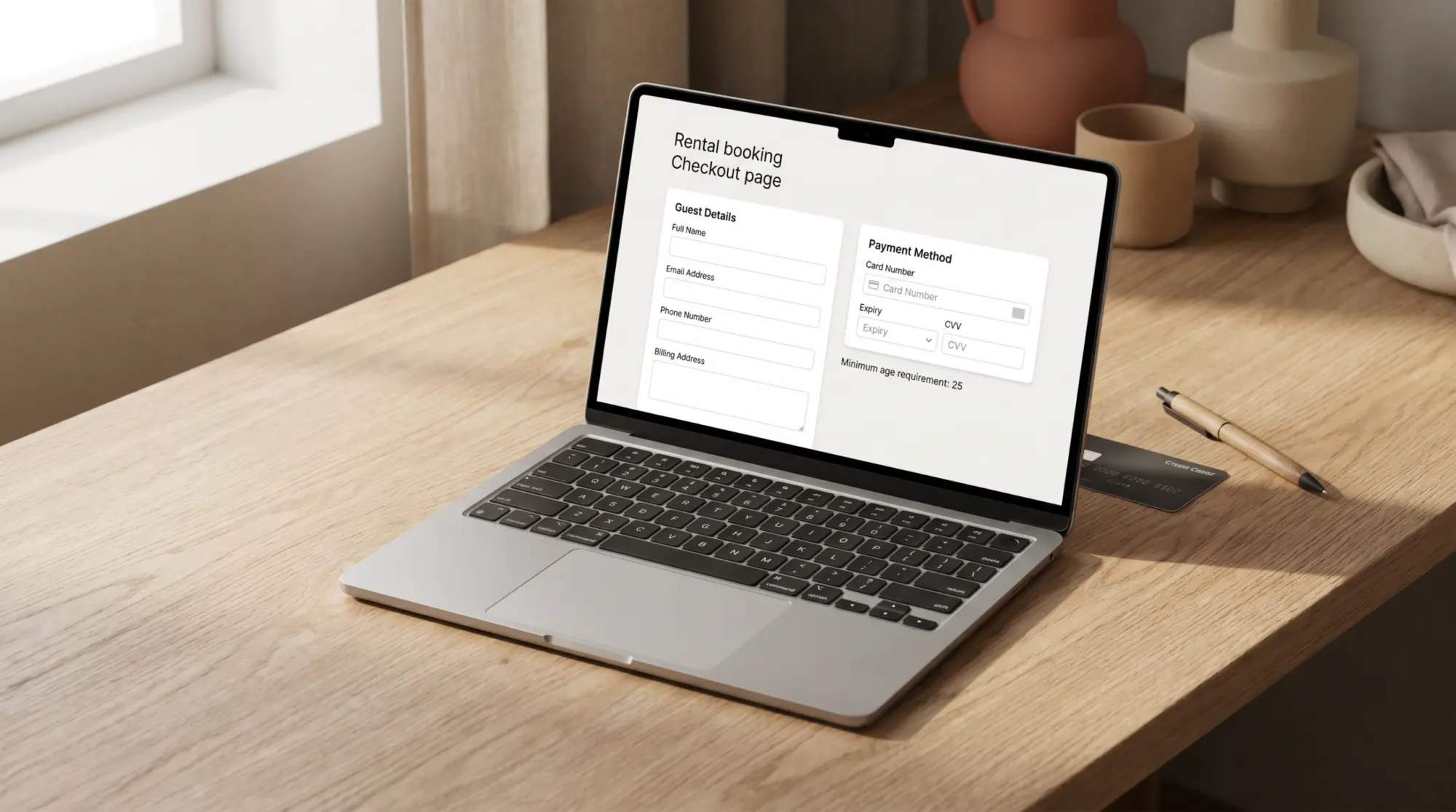
The platform-level answer to how old to rent an Airbnb is 18. Airbnb requires every account holder to be at least 18 years old at signup, and every booking has to be made under the legal adult’s account. The age check happens at two points: at account creation (with ID verification at signup or before a first booking is paid out) and at booking-time payment-method validation (the payment instrument has to belong to the verified adult).
This applies globally. Whether you book in the US, the UK, Spain, or Australia, the platform-side minimum age is 18, and that floor cannot be relaxed by the host. Some local hosting markets have higher legal minimums for short-term rentals (Florida’s hotel-rental age is 21 in some counties, parts of Spain require 25 for non-locals), and the platform respects those local minimums on top of its global 18.
Host requirements
What hosts can require beyond the Airbnb 18 minimum
The 18-minimum is the floor, not the ceiling. Hosts can set a higher minimum age on their listing through the House Rules section of the listing manager. The platform displays the host’s age requirement to guests at booking time, and bookings that violate the rule trigger a flag to Airbnb support and let the host cancel without a penalty hit on the listing’s metrics.
| Host rule | What it does | Typical use case |
|---|---|---|
| 18 (platform default) | Accepts any adult guest with verified ID | Family-friendly listings, no party concerns |
| 21 minimum (host-set) | Filters out the youngest adult bracket | Beach-town listings, college-spring-break risk areas |
| 25 minimum (host-set) | Standard party-prevention age | City-center listings, weekend-warrior risk markets |
| 30 minimum (host-set) | Conservative ceiling, narrows the guest pool | Quiet-area listings, restrictive HOA buildings |
| Local legal minimum (regional default) | Whichever law applies in the listing’s city | Florida counties with 21 hotel-age laws, Spain VUT-zoned areas |
The 25-minimum is the most common host-set rule in markets where party damage is the primary concern. Airbnb has run a global “party-prevention” feature since 2023 that auto-flags suspicious bookings by guests under 25 booking entire-home listings near their stated home address for short trips (two nights or fewer). The auto-flag does not always block the booking, but it routes the booking through extra verification and gives hosts grounds to cancel if the guest profile reads risky.
Verification
How to verify and enforce the Airbnb age rule
Setting the age rule is one step; enforcing it is the other. Three host-side enforcement steps land most of the protection.
First, require an Airbnb-verified ID on the booking. The setting lives in the host’s account preferences under Reservations, “Identification required.” This forces every guest who books to have a government-issued ID on file before the reservation locks in. Without this setting on, you are trusting Airbnb’s account-level age claim without the underlying document.
Second, write the age requirement explicitly into the House Rules text, not just in the structured age-minimum field. The structured field shows in the booking flow; the prose version in House Rules is what guests read before they hit Book and what Airbnb support cites when cancellation requests come up. “Guests must be 25 or older. No parties or events. Quiet hours 10pm to 8am.” reads cleanly and gives support a clear citation.
Third, message guests pre-arrival. A simple “Confirming you have read our house rules including the 25+ age requirement and the no-party policy” message sent the day before check-in gives the host a paper trail. If a problem surfaces at check-in (an under-25 guest, a group different from the booking profile), the pre-arrival message is the evidence Airbnb support will ask for first.
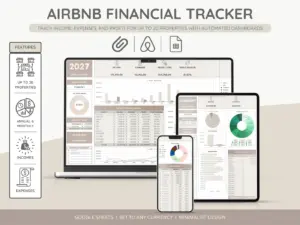
Hosts running a small portfolio benefit from tracking these enforcement steps in a spreadsheet alongside the bookings; our Airbnb spreadsheet template includes a guest-flag column for the age-verification status and a notes column for pre-arrival communication. The Airbnb fee calculator handles the unrelated platform-fee math for the same portfolio.

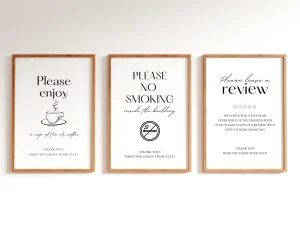
Everything you hand a guest, matched and priced to move together.
Regional notes
Regional variations on how old you have to be to rent an Airbnb
Airbnb’s 18-platform-floor is global, but local laws change what shows up on top. Florida is the most cited US example: several counties classify short-term rentals under hotel-rental statutes that set a 21-minimum age in law. The platform respects the local floor on listings in those counties, so a guest under 21 cannot book even if the host has not added a custom rule. Texas, Nevada, and some California counties have similar age-of-occupancy rules tied to local lodging codes.
Outside the US, the pattern shifts. Most of Europe runs the 18 floor uniformly because tourist-rental legislation does not generally include an age requirement separate from the platform’s own. Spain’s VUT registration scheme has no age-of-guest provision; the regional licensing covers property and operator, not booker age. The UK, Germany, France, and the Nordics all default to the 18 platform floor with optional host-set higher minimums.
Australia and New Zealand have specific party-prevention laws on top of the 18-platform floor in some council jurisdictions (especially in NSW and Auckland, where listing registration includes default minimum-age covenants for some property types). Hosts in those markets should check the local council’s STR rules before relying on the platform default; the council rule supersedes the host-set rule when the two conflict.
FAQ
Common questions, answered briefly
How old do you have to be to rent an Airbnb?
Can a 17-year-old rent an Airbnb?
Why do some Airbnb listings require guests to be 25 or older?
What happens if a guest lies about their age?
If your question is not above, drop it in the comments. We refresh this rundown as Airbnb adjusts the verification flows and as the regional age-floor patterns shift.
People also ask