Why this matters
What Airbnb listing optimization actually means in 2026
The phrase “listing optimization” gets used to mean two different things, and most blog posts conflate them. The first meaning is search visibility: getting your listing to show up earlier when guests filter and scroll. The second meaning is conversion: getting guests who land on your listing to actually book it. Both matter and they have different levers. A listing that’s visible but doesn’t convert is a search-ranking ghost. A listing that converts but isn’t visible is a private tip nobody finds.
Airbnb’s algorithm in 2026 weights three things heavily for visibility: completion rate (filled-out listing fields), Instant Book status, and recent booking-conversion rate. It weights three things heavily for conversion: cover photo, title, and the first three thumbnail photos. Most listing-optimization checklists list 25 items and give them equal weight. The reality is that the first six moves listed above account for the bulk of the gain. The other 19 are noise relative to those six.
This piece is the working playbook, not a 25-item checklist. Six moves, in order, with the trade-offs each one ships with. Our piece on Airbnb calendar notes covers the operational side once you’ve optimized the listing.
The matrix
What moves what, in 2026 Airbnb
| Lever | Affects search visibility | Affects conversion | Effort to fix |
|---|---|---|---|
| Cover photo | Indirectly (CTR signal) | High | 2 hours, one-time |
| Title | High (filter keyword match) | High | 30 minutes |
| Photos 2 through 5 | Indirectly | High | 2 hours, one-time |
| Amenities (35+ checked) | High (filter inclusion) | Medium | 1 hour, one-time |
| Instant Book on | High (algorithm boost) | Medium | 5 minutes |
| Cancellation policy (flexible / moderate) | Low | High | 5 minutes |
| Description rewrite | Low | Medium | 2 hours |
| Pricing (competitive) | Indirectly (booking velocity) | High | Ongoing |
Read the table from left to right: title and amenities matter for being found; cover photo, photos 2 through 5, cancellation policy, and pricing matter for getting booked once you’re found. Two levers (title, Instant Book) hit both columns hard, which makes them the highest-priority changes if you only have an hour.
The six moves
The six moves that actually matter, in order
1. Title: 50 characters that load filter keywords first
Airbnb’s title field is 50 characters. The algorithm reads the title for filter-keyword inclusion (private pool, free parking, ocean view), and the human reads it for the “stop scrolling” decision. The right shape is a concrete amenity in the first half plus a distinctive descriptor in the second. “Ocean-view 2BR with private pool” beats “Beautiful cozy beach getaway.” Don’t waste characters on words like “beautiful,” “cozy,” “stunning”; those don’t filter and they don’t earn the click.
2. Cover photo: a single image that wins the scroll
The cover photo is the single highest-impact image on your listing. It needs to do three things: signal the unique character of the property, render well at thumbnail size (because that’s what guests see first), and avoid clutter. Wide-angle exterior shots win for properties with character; clean kitchen or living-room shots win for properties without. Avoid bedroom shots as covers; bedrooms convert poorly because guests have already mentally booked the bedroom and are scanning for the rest.
3. Photos 2 through 5: the conversion narrative
The first five photos a guest sees decide whether they read the description. Use the slot order: cover (1), main living area (2), kitchen (3), main bedroom (4), unique amenity or view (5). Bathrooms, secondary bedrooms, and exteriors come later. Each photo needs one job; multiple compositions of the same room are wasted slots. Hire a real photographer if your photos look like phone snaps; the $300 to $600 fee pays back in two months for any property booking above $100/night. Layout is the one question photos never quite answer, which is why a labelled plan earns a late slot on anything bigger than a studio; floor plan rendering sets out what that costs and where the free tools stop.
4. Amenities: 35+ checked, honestly
Airbnb’s filter system surfaces listings based on amenities checked. Top-performing listings typically have 35 or more amenities ticked. The discipline is to check everything you actually have, including small items (essentials, hangers, hair dryer, iron). Don’t check amenities you don’t have, because the negative review for a missing claimed amenity will hurt more than the filter inclusion helps. Run through the amenity list once and check honestly.
5. Instant Book: on, with sensible filters
Instant Book is an algorithm boost. Listings with it on rank higher because Airbnb knows guests prefer the simpler booking flow. The downside is reduced control over guest screening. Mitigate by setting the requirement filters: government ID, recommendations from other hosts, no negative reviews. With those filters on, Instant Book gives you the algorithm boost without the rough-guest risk. Five-minute change; takes effect within a day.
6. Cancellation policy: flexible or moderate
Strict cancellation policies feel like they protect revenue and they do, marginally. They also turn away cautious or last-minute bookers who’d rather pay for the option to cancel. Top-performing listings overwhelmingly use flexible or moderate policies; the conversion lift is bigger than the cancellation revenue lost. Move from strict to moderate first; if conversion lifts, consider flexible. Don’t go to flexible directly without measuring the moderate-policy conversion change.
Two-thirds of Airbnb listing optimization gains come from six moves. The other nineteen are noise relative to those six.What we found


Everything you hand a guest, matched and priced to move together.
Search ranking
The ranking signals that aren’t on your listing
The six moves fix the listing. Airbnb’s search ranking also reads how you behave as a host, and those signals move position as much as anything on the page. The algorithm is optimizing for one thing: the probability that a search ends in a completed, well-reviewed booking. Anything that raises that probability lifts you; anything that lowers it sinks you, no matter how clean the photos are.
Four behavioral signals carry most of the off-listing weight. Response rate and speed: replying to inquiries within an hour, and holding the response rate above 90%, tells Airbnb you will convert the leads it sends you. Acceptance rate: declining bookings, or letting requests expire, reads as unreliable inventory and pulls you down. Review score and velocity: a 4.8-plus rating with a steady flow of recent reviews beats a 4.9 that went quiet a year ago, because fresh reviews are themselves a freshness signal. Booking recency: recently-booked listings get a visibility bump, which is why a long vacant stretch is self-reinforcing and why the launch-window underpricing move below matters.
Two more sit underneath. Superhost status (a 4.8-plus rating, a 90-plus percent response rate, under 1 percent cancellation, and roughly ten stays a year) is both a ranking input and a badge that lifts conversion on its own. Listing completeness, every field filled and every photo captioned, clears the small penalties Airbnb applies to half-finished listings. None of these are quick photo swaps; they are the operating habits that compound over months, and they are the reason two identical-looking listings can rank pages apart.
One badge sits outside that list and is worth knowing before you chase Superhost. Airbnb judges the Guest Favorite badge per listing rather than per account, stating that each of your listings will be treated individually when determining eligibility. Eligibility needs a minimum of 5 reviews in the past 4 years, with at least 1 of those in the past 2 years, and Airbnb re-evaluates eligible homes every day, so a listing with five excellent but ageing reviews drops out quietly. Airbnb publishes no average-star threshold for it; any exact figure you have been quoted came from somewhere other than Airbnb. Superhost, by contrast, is assessed per account four times a year. Airbnb names Superhost criteria among its ranking factors and does not name Guest Favorites at all, so treat the badge as a conversion signal a guest can see rather than as a lever on position.
| Signal | What Airbnb rewards | How to move it |
|---|---|---|
| Response rate and speed | Under 1 hour, 90%+ replies | Turn on app notifications; keep saved-reply templates |
| Acceptance rate | Few declines, few expiries | Tune filters so the requests you get are ones you will take |
| Review score and velocity | 4.8+ with recent reviews | Ask every guest; keep the review flow steady |
| Booking recency | Recently booked, low vacancy | Underprice while the listing is new to build velocity |
| Superhost status | 4.8+, 90%+ response, under 1% cancel | Hold the standards across a full assessment period |
| Listing completeness | Every field and caption filled | One pass through the editor, no blanks left |
Pricing
Pricing: the move you’ll keep adjusting
Pricing is the only optimization lever you’ll touch repeatedly, and it’s the one most hosts get wrong by being either too cautious (leaving money on the table) or too aggressive (killing booking velocity, which kills algorithm visibility, which kills future bookings). The two structural rules: price below local market while the listing is new, to build review velocity, and set the bottom rail of Airbnb Smart Pricing yourself rather than accepting the recommendation. Treat that rail as a guard on Smart Pricing, not as a floor on what a guest pays. Airbnb is explicit that weekly, monthly and trip length discounts override Smart Pricing, so a booking can land below the minimum you set while the settings screen still shows your number. If you run length-of-stay discounts, work out the guest price after the discount and set your rail against that. Beyond that, two tools help: PriceLabs for dynamic pricing automation ($25/month per property) and an offline weekend-by-weekend review of your competitive set.
The least obvious pricing lever is weekly and monthly discounts, and it has a threshold most hosts miss. Airbnb only shows a discount in search results when it is 10% or more, and it only crosses out the original price when the offer is at least 10% below that listing’s own median price over the previous 60 days. Anything under 10% still costs you the money and buys no visible markdown, which makes a 5% weekly discount the one setting that is strictly worse than either 0% or 10%. Set 10% weekly and 15% monthly if you want long stays, or leave both off. The 60-day median is the part worth remembering: it is measured against your own recent prices, not the market, so discounting continuously drags your median down until the discount stops reading as one.
Description
The description rewrite, briefly
Airbnb description has 500-character limits per section and roughly 1,800 characters across the headline, summary, and “the space,” “guest access,” “other things to note” fields. Most descriptions waste these characters on adjective spam (“relaxing oasis,” “cozy retreat”). The right shape is concrete: distance to the three nearest landmarks in walking time, what’s on the kitchen countertops, what’s in the closet, what’s not (no oven, no AC, two flights of stairs). Concrete details convert because they let the guest mentally book the stay; vague adjectives don’t.
One specific tip: name the bed sizes in the summary, not in a separate sleep-arrangements field. Guests are always trying to figure out whether their family of four fits, and “two queens plus a sofa bed” beats “sleeps four” by a meaningful margin in click-throughs.
What to skip
Three optimization moves that aren’t worth your time
Often-recommended
- Hire an “Airbnb SEO consultant” for $500.
- Stuff keywords into the description.
- Pay for “promoted listings” or boost packages.
Why to skip
- The actually-effective levers are public information; consultants charge for what’s free.
- Airbnb doesn’t index keyword density; it indexes structured fields. Description keyword stuffing reads as bot-text to humans.
- Airbnb does not currently offer paid search-rank promotion; “boosts” sold by third parties don’t change algorithm rank.
Launch window
The launch window, where new listings are won or lost
Everything above assumes an established listing. A brand-new one plays a different game, and the honest version of that game is shorter than most guides admit. Airbnb says its algorithm is designed to help new listings show up well in search. It does not publish how long that lasts, and operator estimates have shortened considerably. Treat the window as short and undisclosed, and convert it rather than planning around a number. The arc below is our launch plan, not Airbnb’s timer: it front-loads the underpricing and the review push into the first two weeks precisely because nobody outside Airbnb knows when the help stops.
| Phase | What to do | Why |
|---|---|---|
| Days 1 to 14, launch | Underprice 20 to 30% below market, Instant Book on, every field filled | Convert the new-listing boost into real bookings before it fades |
| Days 15 to 60, stack reviews | Hold the low price, over-deliver on the stay, ask every guest for a review | Build review volume and velocity, on the assumption the extra visibility has already gone |
| Days 61 to 90, normalize | Raise price toward market in small steps, watching booking velocity | Find the price the listing holds now that reviews carry it |
| After day 90 | Keep response rate, acceptance, and review flow steady | Whatever launch help you had is long spent; your own signals rank you from here |
The mistake that costs the most is launching at full market price to protect early revenue. It protects a few hundred dollars and forfeits the visibility window that would have filled the calendar for the rest of the year. Price for velocity first and profit second, and only in that order. The same logic is why a listing that goes quiet for a season is so hard to revive: the booking-recency signal decays, and you are effectively launching again without whatever help a new listing gets.
The verdict
The two-hour optimization plan
If you have two hours to spend on listing optimization, here’s the order. First 30 minutes: rewrite the title, hard. Replace adjectives with concrete amenities. Second 30 minutes: re-rank your photos so the top five tell a coherent five-photo narrative. Third 30 minutes: re-tick the amenities list, honestly, aiming for 35-plus. Final 30 minutes: turn Instant Book on with the screening filters, switch to moderate cancellation, set a 10% weekly and 15% monthly discount (10% is the point where Airbnb starts showing the discount in search).
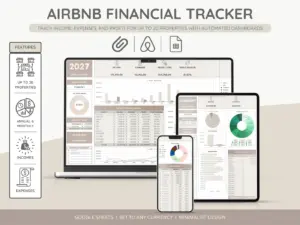
Two hours of disciplined work usually moves listing performance more than 20 hours of broad-spectrum tweaking. Once those six are pulled, optimization becomes pricing iteration plus review-replying discipline plus seasonal calendar updates. Our piece on Airbnb calendar notes covers the seasonal side, and our host spreadsheet handles the operational tracking.
The Airbnb algorithm and feature set keep changing, and we update this playbook when the levers shift. Tell us in the comments which optimization move actually moved bookings on your listing.
FAQ
Common questions, answered briefly
How do you do Airbnb listing optimization?
What is Airbnb SEO?
How do you increase Airbnb listing visibility?
Should you use a professional photographer for an Airbnb?
Does cancellation policy affect Airbnb bookings?
Is Airbnb listing optimization a one-time job?
If yours isn’t above, drop the question in the comments and we’ll fold it in.
People also ask