The job
What an Airbnb cleaning checklist is really for
An Airbnb cleaning checklist is usually written for one of two moments: the week you hand turnover to somebody else, or the week you realise you have been cleaning from memory and memory has started skipping the same shelf. Both are handover problems. The list exists so the standard survives when you are not the one holding the cloth.
That is why a good one is not simply longer. A list of ninety items reads as thorough and gets skimmed, which produces exactly the failure it was written to prevent. What makes a checklist hold is that every line is checkable by somebody standing in the room, in the order they are already walking, with no judgement calls left in it.
There is also a boundary most guides never mention, and it is the difference between a list that protects you and one that quietly creates problems. Airbnb has published rules about what a cleaning fee covers and what you may ask a guest to do, and those rules decide what belongs on the list at all.
The limit
The rule most cleaning checklists break
Airbnb’s ground rules for guests state that cleaning fees set by hosts “are only meant to cover the cost of standard cleaning between reservations (laundry, vacuuming, etc.)” and that hosts “may not charge guest fees for failing to perform specific cleaning or checkout tasks”. The page on adding fees to a listing puts it in almost the same words: “Hosts should not impose fees, charges, or penalties for failing to perform specific cleaning or checkout tasks.”
Read that twice, because it reshapes a lot of published advice. A checkout list that tells guests to strip the beds, run the dishwasher, take out the rubbish and start a load of towels is not a set of obligations. It is a set of requests. You may ask, and many guests will oblige, but there is no charge waiting at the end of it, and building your turnover timing on the assumption that the dishwasher is already running is building on a favour.
The practical version: keep guest requests short and genuinely easy, put them in the house rules and the welcome book rather than on the cleaner’s sheet, and price the fee as though none of them will happen. When they do happen, it is a small gift rather than a plan you depended on. Airbnb does note that hosts may still leave ratings and reviews based on cleanliness, which is the only lever that survives.
The list
The turnover list, in the order a room is actually cleaned
Order matters more than coverage. Cleaning top to bottom and dry to wet means you are never re-dirtying a surface you already did, and stripping first means the laundry is running while everything else happens. This is the sequence rather than an inventory of every object in the flat.
-
1
Strip and start the machine
Beds and bathrooms first, before anything else is touched. The wash is the longest single task in the turnover, so it should be the first one started and never the last.
-
2
Walk once for damage and left property
Before you clean anything away. Photograph anything broken, stained or missing now, because once the room is clean the evidence is gone and so is the claim.
-
3
Clear surfaces, then dust high to low
Rubbish out, dishes in, then light fittings and shelf tops down to skirting. Anything that falls, falls onto floors you have not done yet.
-
4
Kitchen wet work
Fridge emptied and wiped, microwave and hob, sink last. The fridge is the single most-skipped item on a rushed turnover and the one guests notice first.
-
5
Bathroom, then restock
Shower, basin, toilet, mirror, floor, in that order. Restock immediately afterwards so the room is finished rather than revisited.
-
6
Make beds, then floors, then leave
Bed-making sheds fibres, so it comes before vacuuming. Vacuum out of the property towards the door and do not walk back across it.
-
7
Photograph the finished state
The same handful of angles every time. It settles disputes, it shows a cleaner what “done” looks like, and it is the only honest record of the standard you are paying for.
Step two and step seven are the two that hosts add last and value most. A turnover without a before-photo leaves you arguing from memory, and a turnover without an after-photo leaves you unable to tell a cleaner what changed. If you want the room-by-room version to print and hand over, our printable Airbnb checklist covers the layout side.
The line
Where your cleaning fee ends and AirCover begins
This is the split worth memorising, because it decides what your cleaner photographs and what you can recover. Airbnb’s Host damage protection page says the cover includes extra cleaning costs for stains, pet accidents and smoke odour removal, and that it does not cover damage from normal wear and tear or standard checkout cleaning tasks. Claims are filed in the Resolution Center within 14 days of the responsible guest’s checkout, and the guest then has 24 hours to respond before Airbnb Support reviews it.
The operational consequence is small and worth doing: give your cleaner a standing instruction to photograph and message anything in the right-hand column before it is treated, rather than after. A cleaner who removes a stain competently and mentions it in passing three days later has quietly used up your evidence and most of your window.
Essentials
The five things Airbnb expects you to restock
Restocking is where most checklists get vague, and it is one of the few places Airbnb is specific. Its essential amenities page names five: toilet paper, soap for hands and body, one towel per guest, one pillow per guest, and linens for each guest bed. The same page adds that listings which select the essential amenities option without actually providing the items “may be subject to penalties, including removal from Airbnb”.
That last sentence is why these five sit on the turnover checklist rather than on a monthly shopping list. Everything else you stock is hospitality and you can choose it freely. These five are a condition of the listing, they are counted per guest rather than per property, and a cleaner who does not know the guest count for the next booking cannot get them right. Put the number on the sheet.
The fee
Pricing it, and the second fee most hosts never set
A turnover costs what it costs regardless of how long the guest stayed. One night and five nights produce nearly the same laundry, the same bathroom and the same floors, which means a single flat cleaning fee is always wrong in one direction: high enough to cover a one-night stay and it distorts the headline price on short bookings, low enough to look reasonable on short bookings and you are subsidising them.
Airbnb’s own fee settings already solve this and it is not well known. The cleaning fee page describes a short-term stay cleaning fee for guests booking 1 or 2 nights alongside a standard cleaning fee for everything longer. Two numbers, set in the same place under price settings. If you have been running one fee and quietly resenting one-night bookings, that is the setting you were looking for.
A turnover costs what it costs regardless of how long the guest stayed, which is why one flat cleaning fee is always wrong in one direction.
Whatever you set, keep it traceable to the actual cost rather than to what the listing down the road charges. Our guide to Airbnb host fees walks the wider fee structure, and the number worth knowing before you price anything is what a turnover genuinely costs you in labour, laundry and consumables.
Handover
Making the list survive a cleaner who is not you
A checklist written by the person who already knows the property is almost always underspecified, because the author has silently supplied the context. “Check the fridge” means one thing to you and another to somebody who has never opened it. The repair is to write the finished state rather than the action: not “wipe the hob” but “hob shows no marks under a raised light”.
Three habits do most of the work. Write in finished states. Fix the order and do not let it drift, so that a missed step is visible as a gap rather than hidden in a reshuffle. And keep one short list of the property’s own quirks, the window that sticks and the cupboard that is not obvious, because that list is the whole difference between a cleaner’s second visit and their tenth.

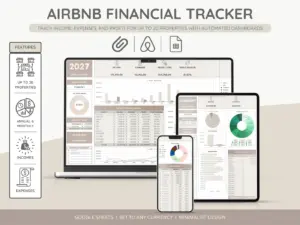
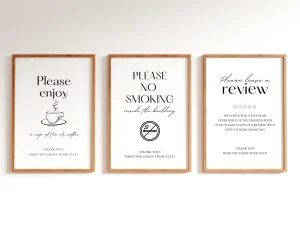
Everything you hand a guest, matched and priced to move together.
Write the standard down once, keep the guest requests separate from the cleaner’s list, and photograph both ends of every turnover. That is most of what separates a property that runs without you from one that only runs when you are watching. Tell us in the comments which step your list keeps losing, because for most hosts it is the same one every time and it is usually the fridge.
FAQ
Common questions, answered briefly
Can I charge a guest for not doing the checkout tasks?
What cleaning can I claim for under AirCover?
What has to be restocked between every stay?
Should short stays pay the same cleaning fee?
People also ask