What it covers
What the airbnb off-platform policy actually covers
The airbnb off-platform policy is the rule set that protects Airbnb’s role as the marketplace between host and guest. Once a guest finds a listing on Airbnb and starts the booking process, Airbnb expects the entire transaction (payment, communication, review, dispute) to stay inside its system. Hosts who pull that transaction off-platform after Airbnb has made the introduction are in violation of the policy regardless of whether the guest agrees.
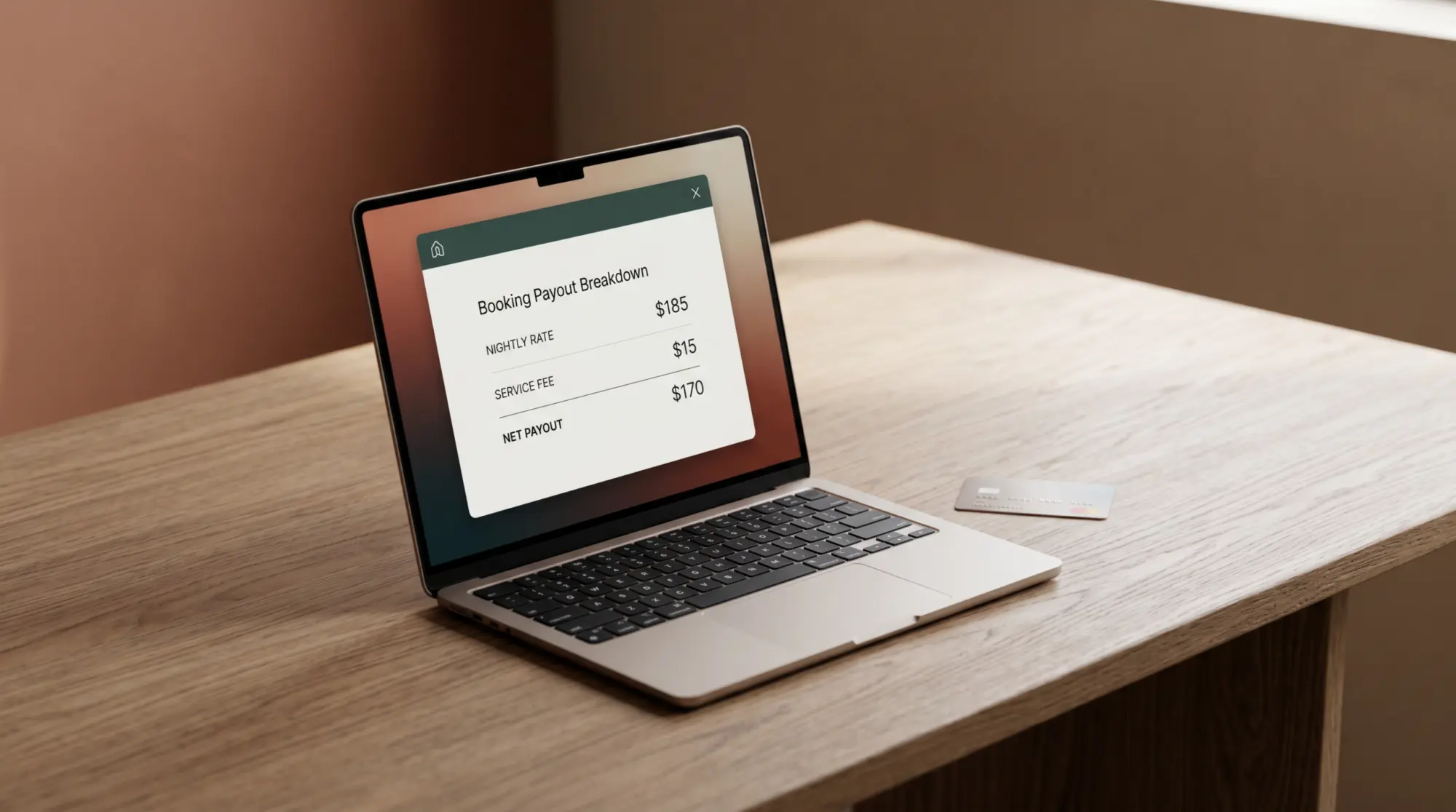
The policy is older than most current Airbnb terms; it has existed in some form since the early platform days and gets enforced more actively now that Airbnb runs automated message scanning. The reason matters: Airbnb takes a service fee on every booking, and a host who routes guests around that fee is, from Airbnb’s view, using the marketplace as free lead generation. The platform treats it the same way a marketplace treats a seller who tells customers to “find me directly to skip the fee.”
The protection-program piece is the part most hosts underweight. When a guest pays outside Airbnb (Venmo, bank transfer, cash), the entire Airbnb safety net falls away: no host protection, no payment dispute resolution, no review system, no policy enforcement if the guest damages the property. The fee saving on a single booking is usually $20 to $80; the risk if something goes wrong is the full unprotected booking value plus damages.
What counts
What counts as off-platform under the policy
- Soliciting a direct booking
- Asking the guest, in or out of the Airbnb message thread, to book the next stay directly with a price-off-platform discount. The clearest violation; almost always triggers a warning at minimum.
- Taking payment outside Airbnb
- Receiving the booking payment via bank transfer, Venmo, PayPal-friend, cash, or any non-Airbnb channel for a stay the guest first booked on Airbnb. Treated as the most serious tier; usually a fast escalation to suspension.
- Steering to another platform
- Telling the guest “next time book me on [other site]” where the host has a listing with lower or no fees. Same logic as a direct booking solicitation; the alternative platform is irrelevant.
- Asking for an extra deposit off-platform
- Requesting a security deposit, damage deposit, or “key fee” outside Airbnb’s resolution centre. Even if the rest of the booking stays on Airbnb, the off-platform payment is a violation.
- Sharing private contact for booking purposes
- Including a phone number, email, or off-platform booking URL in the pre-booking message thread. Sharing contact info for legitimate non-booking reasons (lockbox code at check-in) is fine.
The corollary: if a guest asks unprompted about direct booking, the safest reply is to decline and keep the conversation on Airbnb. Hosts who go further and start a back-and-forth about how it could work are creating evidence Airbnb will read as solicitation, even though the guest opened the door. The platform does not weigh who initiated; it weighs who pursued.
Initiate is the trigger word, not respond.From the takeaway block
Penalties
What the airbnb off-platform penalty actually is
Airbnb’s enforcement scales with the severity of the violation. The platform does not publish a strict rule table (it leaves room for case-by-case judgement), but the pattern across host accounts is consistent enough to summarise.
Warning email + message removal
For an isolated mention of off-platform booking that did not result in a transaction. The message gets stripped from the thread, the host receives a policy reminder, and the listing stays public. Most first-time violations land here.
Listing suspension (days to weeks)
For a pattern of solicitation across multiple guest threads or for a single transaction Airbnb can verify went off-platform. The listing is hidden from search and from existing reservation links until Airbnb completes a review. The host can usually appeal.
Permanent account removal
For repeat off-platform activity after a suspension, for fraud-adjacent behaviour (taking a deposit off-platform and then refusing the booking), or for systematic harvesting of guest contact details across many listings. The account is closed, listings removed, and earnings paused for the standard review window.
The path from tier one to tier two is faster than most hosts expect. Airbnb’s review team flags accounts that get two warnings inside a few months even if the individual messages look harmless in isolation. The path from tier two to tier three is slower, but once it happens it is hard to reverse; appeals from a closed account succeed only when the host can document a misclassification.

Everything you hand a guest, matched and priced to move together.
FAQ
Common questions, answered briefly
What is the airbnb off-platform policy?
Can a host accept direct bookings if the guest asks first?
What is the airbnb off-platform penalty for first-time hosts?
Does Airbnb scan messages for off-platform activity?
Why does taking payment off-platform matter beyond the policy?
Can a host be removed for one off-platform message?
If yours is not above, drop the question in the comments and we will answer it under the next Airbnb piece.
People also ask