What it is for
What a therapist planner is for, and what it is not
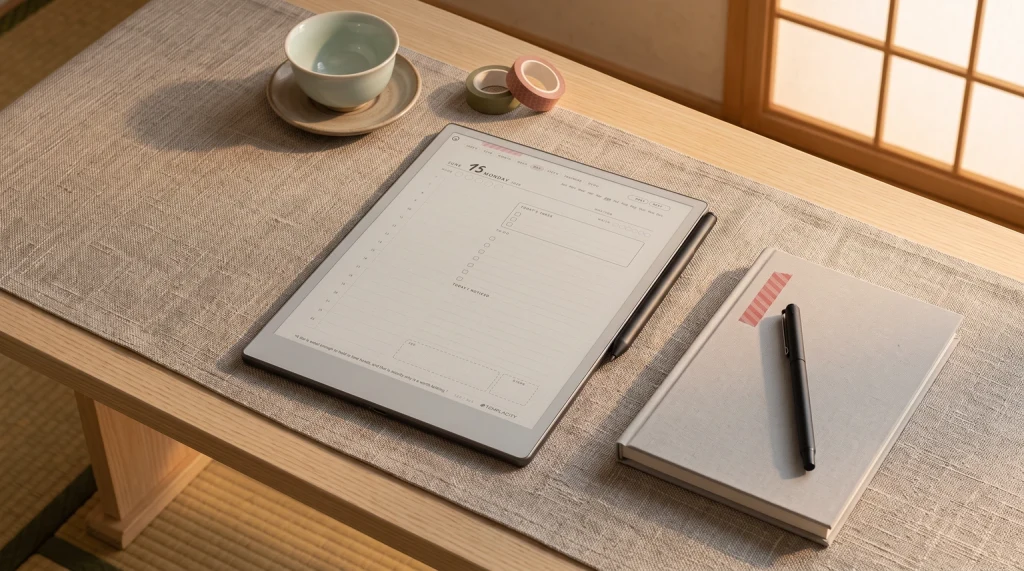
Therapists often plan their week around the one thing that is fixed, the session times, and let everything else fit in the gaps. Notes, calls, supervision, billing and the work of recovering between hard sessions all end up in the evenings. A therapist planner is a way of giving those things a home in the working week, so the caseload stays sustainable.
It is worth being clear about what a planner is not. It is not your clinical record, and it is not where client notes live. Your practice’s records system, whatever you use, is the place for anything identifying or clinical. The planner is for running the week: when, how much, and how you are holding up.
Privacy first
Keep client details out of your planner
The simplest rule is that nothing in your planner should identify a client if someone else picked it up. A few habits make that easy:
- Initials or a slot code instead of names, such as “Tue 10:00 · A.” or “Tue slot 2”.
- No clinical content. Session themes, diagnoses and notes go in your records system, not the planner.
- Track counts, not people. Sessions held this week, notes outstanding, cancellations: numbers you can plan with, without names.
Your professional body and your practice will have their own rules on records and confidentiality. Follow those; the planner just stays on the safe side of all of them by holding nothing that needs protecting.
The week
A therapist’s weekly planner layout
| Block | When | Why it gets its own slot |
|---|---|---|
| Sessions | Your fixed hours | The core of the week, coded by slot, not by name |
| Notes block | Straight after each cluster | Notes written the same day take a fraction of the time |
| Breaks | Between heavy sessions | Recovery is part of the job, not a gap to fill |
| Admin | One block a day | Calls, email, scheduling, billing |
| Supervision and CPD | Fixed weekly or monthly slot | Easy to postpone, costly to skip |
| Weekly review | Friday | Caseload, notes outstanding, energy, next week |
The notes block is the one that changes the week most. Notes left until the evening take longer and drain more. A short block straight after each run of sessions, booked like a session, keeps them current and keeps the evenings yours. Breaks between heavy sessions are the other one. Booking them in the planner, rather than hoping for them, makes it much harder to fill them with one more client.
Recovery is part of the job, not a gap to fill.
The review
A weekly review of caseload and energy
Once a week, take ten minutes with the planner. Count the sessions held and the notes still outstanding. Note cancellations and how many slots are open next week. Then do the part most planners leave out: a quick note on your own energy. Which days felt heavy? Was there a break you skipped? A few weeks of these notes show patterns that are hard to see from inside a busy week, such as a day that always overruns or a caseload that has crept past what feels sustainable.
For practitioners in private practice, the weekly review is also where the business side lives. Our small business planner guide covers the money and goals pages, and productivity planners has more on protecting fixed blocks in a full week. If you suggest journaling to clients, our journal prompts for anxiety are written for anyone to use on their own.
Clinicians on shifts rather than sessions face the same planning problem from a different side; our nurse planner guide starts from the rota instead.
Ours
A therapist session planner, coming
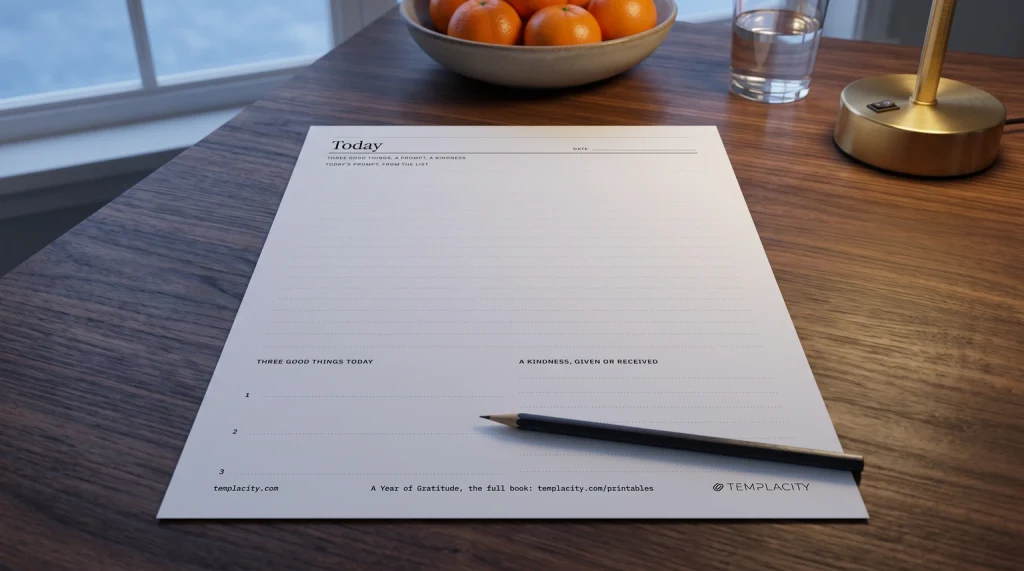
We are building a Therapist Session Planner on exactly these lines: a caseload week with session slots coded rather than named, notes and break blocks built into each day, supervision and admin pages, and a weekly caseload and energy review. Nothing in it asks for client details. It is not out yet.
Until then, the Digital Work Planner holds your weeks and tasks, and the block layout above fits its weekly pages. More planning guides live in planning.
How do you protect time between sessions? Tell us in the comments; it shapes how the daily page is drawn.
FAQ
Common questions, answered briefly
What should a therapist planner include?
Can I write client names in my planner?
When should therapists write session notes?
How many clients should a therapist see per day?
Is a digital planner a good idea for therapists?
If yours isn’t above, drop the question in the comments and we’ll add it.
People also ask