The method
How to choose habit tracker ideas that last past January
Most lists of habit tracker ideas are one long column: drink water, read, meditate, journal, seventy times over. Choose from a list like that and you end up with a page of good intentions that have nothing to do with each other, and nothing to do with what you want from the year. The ideas that last start somewhere else: with one goal you care about, and the smallest action you could take on an ordinary Tuesday that moves it.
Then put that action somewhere you can see it. A 2016 meta-analysis by Harkin and colleagues in Psychological Bulletin pooled 138 studies with 19,951 participants and found that interventions which got people monitoring their progress also helped them reach their goals. The effect was larger when the information was physically recorded, or reported or made public. A habit tracker is that record: a box you fill in by hand every day, on a page you pass.
So the order is goal, action, rule, box. The table below does the first two for you.
Ideas by goal
Habit tracker ideas by goal
Find the goal you care about most this year and take its starter habit as your first row. The lists under the table are the alternatives, for when the starter does not fit your days. Every idea is written as an action you can do, not an outcome you hope for.
| Goal | Habit to track | Tick it when |
|---|---|---|
| Sleep better | Phone out of the bedroom | It charged in another room all night |
| Move more | A 20-minute walk | You walked 20 minutes, at any pace |
| Eat better | A vegetable at two meals | Two plates had a vegetable on them |
| Spend less | Write down every purchase | Each one is logged the same day |
| Read more | Ten pages a day | You read ten pages of anything |
| Learn a skill | Fifteen minutes of practice | The timer ran for fifteen minutes |
| Calmer mind | Five quiet minutes | Five minutes, no screen, no list |
| Tidier home | A ten-minute evening reset | The timer ran and the counters are clear |
| Closer people | Reach out to one person | One message or call, sent |
Sleep
- Lights out by a set time, weekends included.
- No coffee after lunch.
- The last 20 minutes in bed with a book, not a screen.
- Up at the same time every day, alarm across the room.
Movement
- Five minutes of stretching before breakfast.
- Stairs instead of the lift, every time.
- Two strength sessions a week, on two named days.
- A step count you choose, if you already wear a counter.
Food and water
- A glass of water before each meal.
- Dinner cooked at home.
- A packed lunch on workdays.
- Nothing to eat after a set hour.
Money
- A no-spend day, on the days you mark in advance.
- The bank balance checked once a day, two minutes.
- No unplanned purchase over a sum you set.
- Shopping only from a written list.
Reading and learning
- Ten minutes of language practice.
- One hour of focused work before opening email.
- The phone in another room for the first hour of work.
- One page of notes on what you read or learned.
Mind
- Three lines in a journal before bed.
- Time outside in daylight before noon.
- One thing you are grateful for, written down.
- No social media before 9am.
Home and people
- Dishes done before bed.
- Bed made before you leave the room.
- A phone-free dinner with whoever is at the table.
- Thank someone for something specific.
How many
How many habits to track at once
Three at first, five at most. Every row on a habit tracker asks for a little attention every day, and a page with more rows than you can keep becomes a daily report card you stop opening. Our Printable Habit and Goals Pack says it on its Start here page: “Three habits you will keep beat eight you will not.”
The number of columns is not a target either. The monthly tracker in that pack has room for eight habits on Letter and A4 paper and six on A5, and the same page tells you to leave columns empty and add one when the first three feel automatic.
How long is that? In the habit study described by Gardner, Lally and Wardle in the British Journal of General Practice, people repeated one chosen behaviour once a day after the same cue, and the feeling of doing it automatically slowed to a plateau after an average of 66 days. Simple actions, such as drinking water, got there sooner than elaborate routines, such as 50 sit-ups. So plan on adding a habit every month or two rather than every week, and add the simple ones first.
Make it tickable
How to write each habit so the box is a yes or a no
Whether it is your first habit tracker or your tenth, each row needs the same three parts: an action, a cue, and a rule for when it counts.
The action is something you do, not something you hope happens. Track the action you control, not the result you hope for. “Lose weight” cannot be ticked on a Tuesday; “a 20-minute walk” can, and if the walks work, the result shows up without a row of its own.
The cue is when and where. The one-page tool for patients printed in the Gardner, Lally and Wardle paper asks you to plan when and where you will do the action, at a time and place you meet every day of the week; their example is “after I have lunch at home I will have a piece of fruit”. Write the cue under the habit at the top of its column if there is room.
The rule is what keeps the box honest. Write it as tick it when: ten pages, any book; twenty minutes, any pace; the phone charged outside the bedroom all night. Set the bar low enough to clear on a bad day. A small habit you do every day builds the routine, and a big one you skip twice a week builds the habit of skipping.
Some habits to track only run on set days, such as strength training on Monday and Thursday. Cross out the other days before the month begins, and an empty box will always mean a miss, never a rest day.
January
Setting up your monthly habit tracker in January
January is when most trackers start, and the usual reason they stop is the same: too many rows on day one. A setup built to reach February looks like this.
- Write down your goals for the year, then circle the one that matters most.
- Take its starter habit from the table above, plus at most two more from any goal.
- Write each one across the top of January’s page, with its tick-it-when rule.
- Keep the page somewhere you pass every day, and fill it in at the same time each evening.
- On the last day of the month, note your best streak and what helped, then decide for February: keep, drop or add one.
Missed a day? Fill in the next box. In the study the paper describes, missing the occasional opportunity did not seriously impair habit formation. A gap in the row is information, not a verdict.
A gap in the row is information, not a verdict.Habit tracker ideas
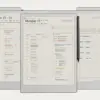
Our habit and goals pack ($12) follows that order on paper. It opens with a goals-for-the-year page split into six areas, a goal plan and a 90-day plan, then twelve monthly habit trackers with days 1 to 31 down the side and lines for best streak, what helped and next month at the foot. After those come a year in pixels, a 30 day page for a single habit, and four quarterly reviews that ask which habits to keep, drop and add. It is undated and 23 pages long, and Letter, A4 and A5 are each laid out for their own paper rather than scaled.
To try a single page first, our guide to habit tracker printables walks through four layouts; to track on a tablet instead, see our digital habit tracker guide. If the goal itself is not settled yet, start with our goal-setting worksheet or the new year resolution ideas, each paired with a habit. More on the planning hub.
FAQ
Common questions, answered briefly
What should I put in my habit tracker?
How many habits should I track at once?
How long does it take for a habit to stick?
What if I miss a day on my habit tracker?
Should a habit tracker be daily or weekly?
Which habit earned the first column on your January page, and what is its tick-it-when rule? Tell us in the comments. Real lists of what people kept, and what they quietly dropped, help the next reader more than any list of ideas.
People also ask