What it is
What the Boox Go 6 is
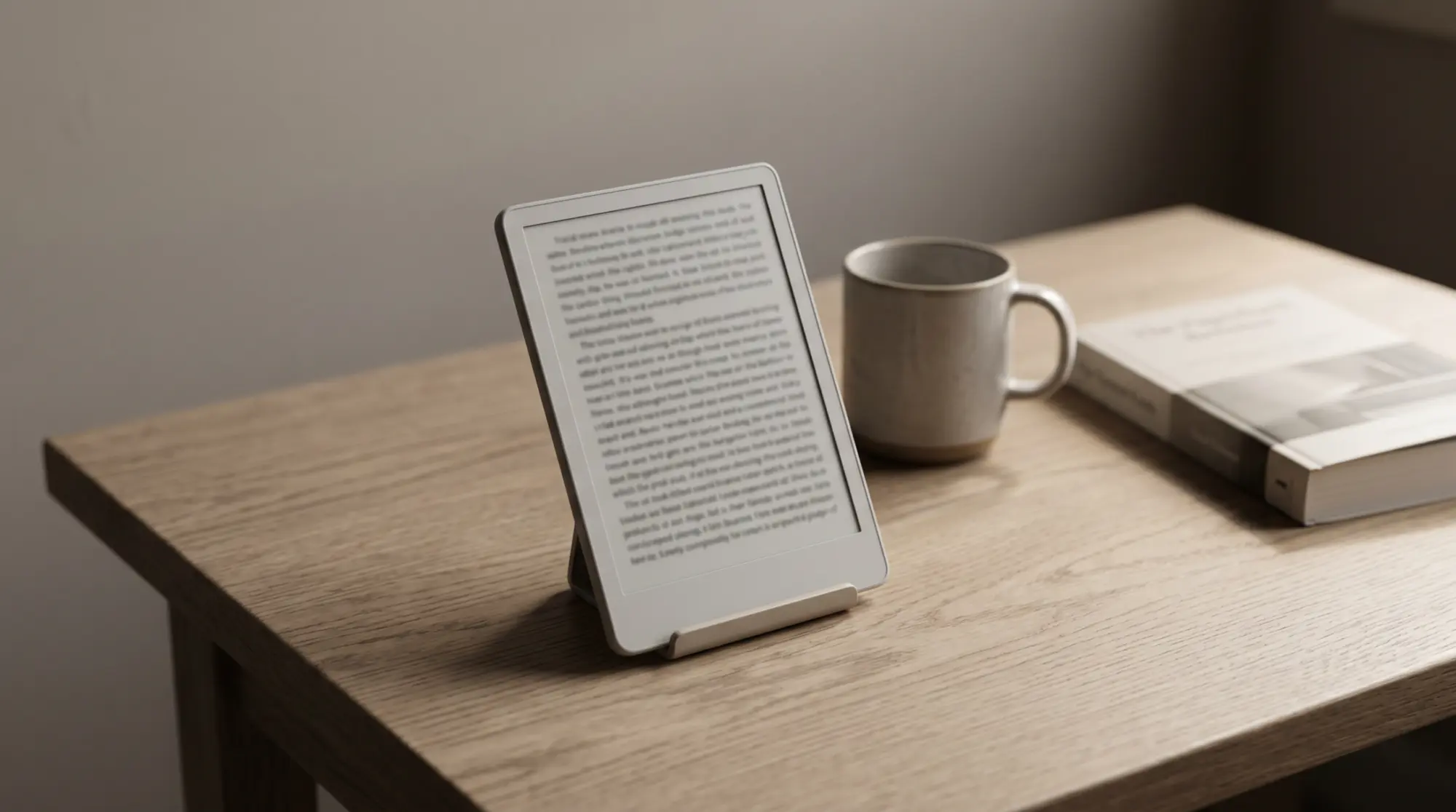
The Boox Go 6 is the entry-level pocket reader in Onyx’s Go line: a 6-inch monochrome E Ink Carta 1300 screen at 1448 by 1072 (300 pixels per inch), with a warm-and-cool adjustable front light, in a light 146-gram body. It launched at 149.99 dollars, which makes it the cheapest Boox, and like its bigger siblings it runs full Android, so you can install your own reading apps rather than being tied to one store. What it leaves out is as important as what it includes: there is no stylus support, the memory is a modest 2GB, storage is 32GB with a microSD slot, and it ships on an older Android version than the rest of the range. The Boox Go 6 is, in short, the budget answer to one question: how cheaply can you get an open, your-own-apps e-reader, and the rest of this review is whether the corners it cuts are ones you will feel.
- Screen: 6-inch mono E Ink Carta 1300, 1448 x 1072, 300 ppi, warm and cool front light
- Software: full Android 11 (install your own apps)
- Handwriting: none, the Go 6 does not support a stylus
- Inside: octa-core, 2GB memory, 32GB storage plus microSD, 1,500mAh battery
- Price and weight: 149.99 dollars, about 146 grams
Who it is for
Who the Boox Go 6 is for
The Boox Go 6 is for the budget reader who wants out of a closed ecosystem without spending much. If you borrow through a library app, buy from more than one store, or want your reading app and your articles on one small device, the Go 6 does that on e-ink for the price of a basic closed reader, which is its whole reason to exist. It is genuinely pocketable, light enough to hold one-handed for hours, and the front light means it works in the dark, which the larger Go 10.3 does not. For a traveller, a commuter, or anyone who just wants an open, cheap, take-anywhere reader, it hits a real sweet spot.
It is not for you if you want to write, since there is no stylus at all, nor if you want the smoothest, longest-supported software, because the modest memory and older Android version are where the low price shows. A basic closed reader will feel a touch slicker and may cost even less; what it will not do is run your own apps. So the Go 6 only makes sense if openness is the thing you are buying. If you do not care about installing your own apps, you are paying a little extra for a freedom you will not use, and a mainstream reader is the better buy.
Reading on it
Reading on the Go 6
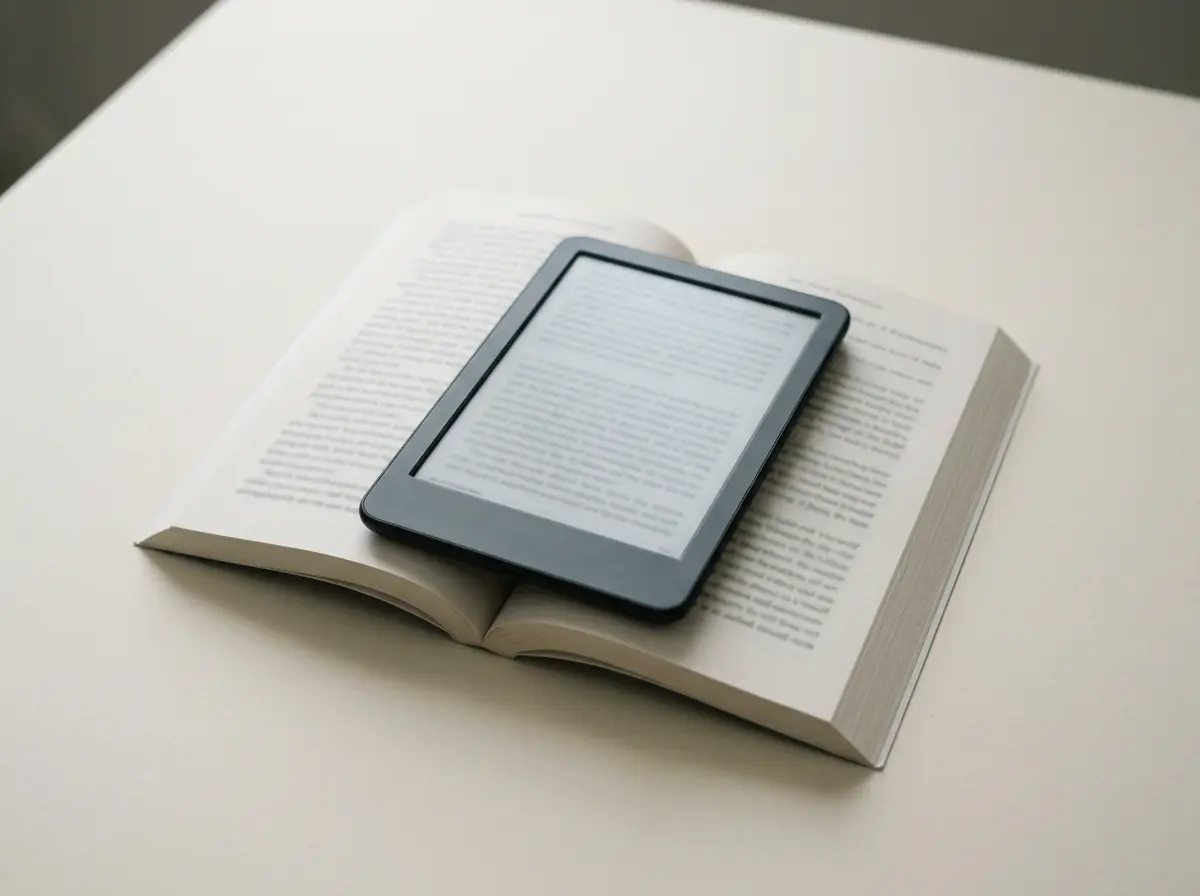
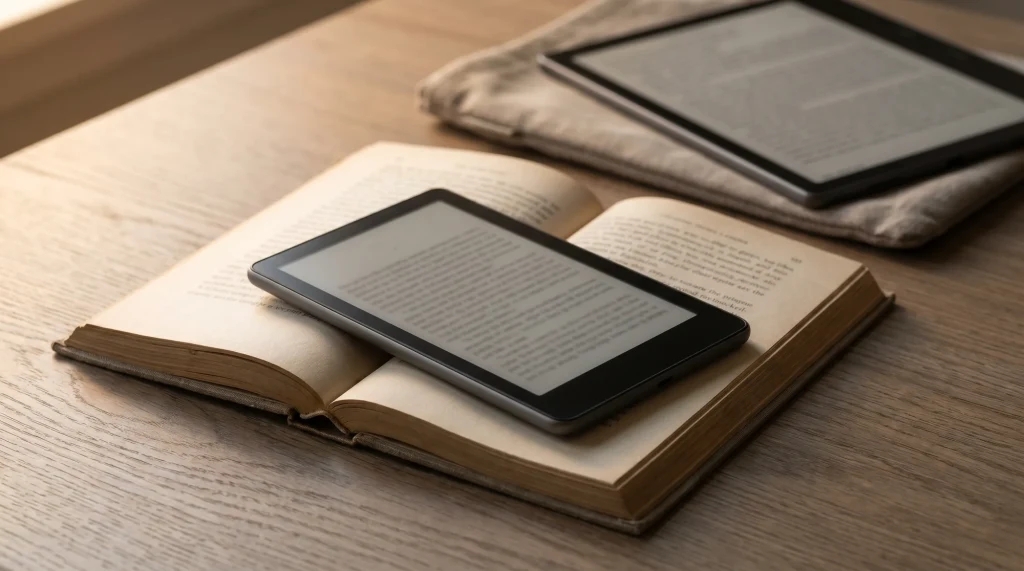
As a pure reader, the Go 6 covers the basics well: a 300-ppi mono screen renders text crisply at the classic paperback size, the warm-and-cool front light handles a dark room, and the light body is comfortable for long sessions. Running your own apps is the point, and for straight reading it works, though the modest 2GB of memory means heavy multitasking or large, image-rich files can feel slower than on the better-specified Go 7, and any app on e-ink will never match phone responsiveness. For novels and articles, which is what a 6-inch reader is for, it is more than enough. Expect to spend a few minutes tuning contrast and refresh for apps built for color screens, as with any open e-ink reader.
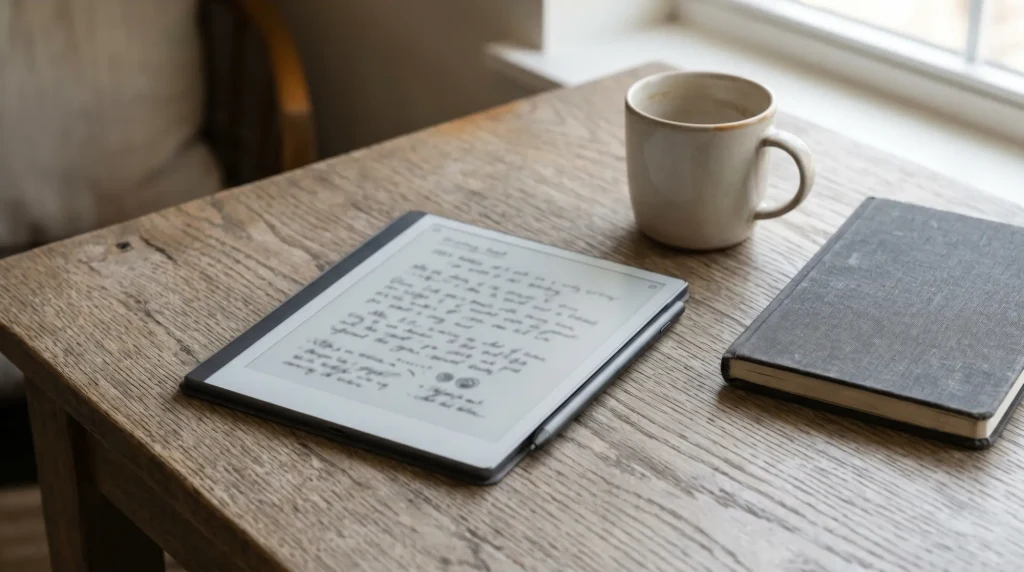
The honest framing is that the Go 6 is a reader first, last, and only. With no stylus it does not pretend to take notes, which actually keeps it focused: it is a small, open, well-lit page for words. If you want the same openness with more memory, a sharper turn of speed, and the option to write, the step up is the Go 7, which our Boox Go 7 review covers in full. The Go 6 trades that headroom for the lowest price in the line.
With no stylus it does not pretend to take notes, which actually keeps it focused: a small, open, well-lit page for words.Reading on it
Which version
Original Go 6 vs the Gen II
Onyx has released a Gen II of the Go 6, and the difference is worth knowing before you buy. The newer model keeps the pocket 6-inch format but raises the memory and, notably, adds stylus support, turning the pure reader into a reader that can also take light notes, for a higher price. The table lays out the choice.
| Version | Memory | Stylus | Price | Best for |
|---|---|---|---|---|
| Go 6 (original) | 2GB | No | 149.99 dollars | Cheapest open pocket reader |
| Go 6 (Gen II) | 3GB | Yes | 199.99 dollars | A reader that can also write |
The decision is about whether you want to write and how much you want to spend. If you only ever read and want the lowest price, the original Go 6 is the value pick and a perfectly good open reader. If you want a little more memory for smoother app use and the ability to jot notes, the Gen II is worth the extra fifty dollars. Buy the original to spend the least on an open reader; buy the Gen II if note-taking or a touch more speed matters to you.
Versus a Kindle
Boox Go 6 vs a basic Kindle or Kobo
Against an entry closed reader, the Go 6’s case is openness and little else, which is exactly the point. A basic Kindle or Kobo is smoother, often cheaper, and has longer battery life, all tied mostly to one store. The Go 6 lets a single small reader run your library app, more than one bookstore, and your read-it-later articles at once, which no closed reader at this price allows. The cost is real: a smaller 1,500mAh battery, more modest internals, and a less polished experience. If you live happily inside one store, a closed reader wins on smoothness and price. If being tied to one ecosystem is the thing you want to escape, the Go 6 is the cheapest pocket way to do it, and our Boox versus Kindle comparison covers the wider tradeoff across the range.
Verdict
Verdict
A reader like the Go 6 rewards knowing exactly what you want: a cheap, open, pocketable page for words. If you have picked one up, or chosen a closed reader instead, tell us what decided it in the comments. The real reasons people buy or skip the Go 6 help the next reader more than any spec sheet can.
FAQ
Common questions, answered briefly
Is the Boox Go 6 worth it?
Does the Boox Go 6 support a pen?
Does the Boox Go 6 have a front light?
Boox Go 6 or a basic Kindle?
What Android version does the Boox Go 6 run?
Is the Boox Go 6 good for reading?
If yours isn’t above, drop the question in the comments and we’ll add it.
People also ask