What it is
What an airbnb airlock actually is
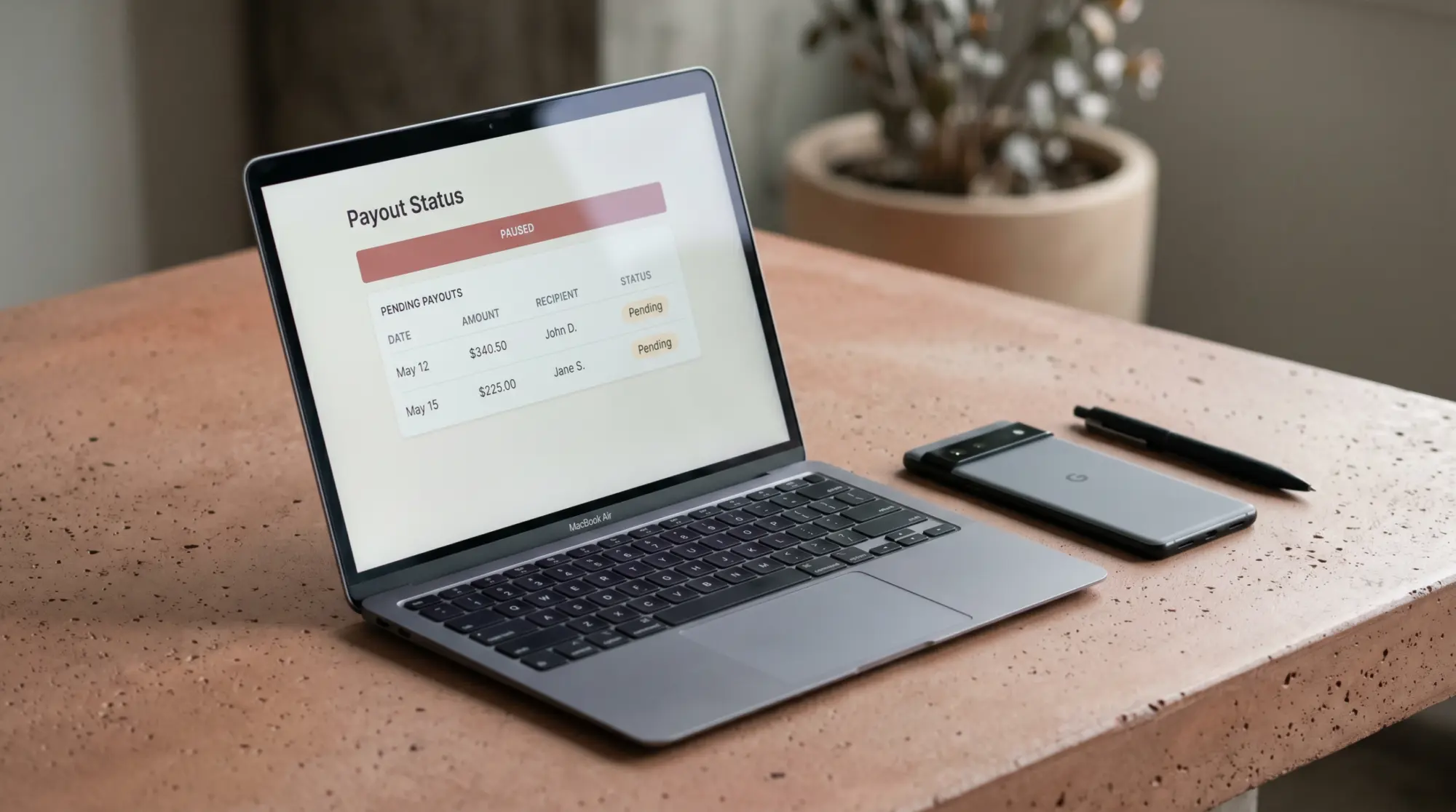
An airbnb airlock is the platform’s term for a temporary hold on host payouts while a back-office review runs. The hold is procedural, not punitive: most hosts who hit an airlock have done nothing wrong, and the review concludes without further action. The pause is visible to the host through a dashboard notification and a payout-status message that uses the phrase “routine review of your account.”
What the airlock does not do is pause bookings, cancel stays, or affect guest-side experience. The listing stays live, new bookings can confirm, and existing guests check in and out as normal. The only thing held is the money flow from Airbnb to the host’s bank account. The host’s obligation to the guest is unchanged; the host’s incoming cashflow is delayed.
Why it triggers
What triggers an airbnb airlock
- Identity re-verification
- Airbnb runs periodic re-verification on host identity documents, especially after major regulatory changes (Spain, France, and several US cities have introduced new short-term-rental rules that have triggered batched re-verifications). Resolves once the host completes the verification flow.
- Large or unusual payout patterns
- A payout significantly larger than the host’s typical pattern, a sudden cluster of long stays, or a payout to a newly-added bank account can trip the platform’s fraud-detection layer. Routine review; usually resolves without host action.
- Compliance-policy checks
- Local short-term rental licence updates, tax-collection changes, or platform-policy refreshes can trigger a sweep of affected hosts. The airlock during these is usually brief because the review is automated against a recent host filing.
- Guest dispute escalation
- An open dispute under Airbnb’s Resolution Centre involving a significant amount can pause payouts on the affected booking only (not all payouts), with funds released once the dispute resolves. This is technically a hold rather than a full airlock but uses similar mechanics.
What to do
What hosts can actually do during an airbnb airlock
Read the airlock notification carefully
The dashboard message sometimes names the trigger (identity verification, document re-upload, policy attestation). If it asks for a specific action, follow the linked flow through to submission. Many airlocks resolve faster when the host takes the named action.
Verify the payout method is current
Account, Payments, Payout methods. Confirm the bank account on file is active and the host’s name on the account matches the Airbnb account name. Stale or mis-matched bank details are a common quiet airlock trigger.
Continue accepting and hosting bookings
Bookings and check-ins are unaffected by the airlock. Run the listing as usual; cancelling is the one action that turns a temporary cashflow inconvenience into a 12-month host-cancellation problem.
Contact support only if it persists past 14 days
Under 14 days, support typically responds with a variation of “the review is ongoing.” Past 14 days, the airlock is unusual and contacting support is appropriate. Use the in-app messaging rather than the public phone line for faster routing.
Log the airlock for your records
Note the airlock start date, the trigger if known, and the resolution date in your host spreadsheet. If airlocks recur on the same account, the pattern itself is useful information for support; without the log, each airlock looks like a one-off.


Everything you hand a guest, matched and priced to move together.
Cashflow planning
How to plan cashflow against airbnb airlock risk
The defensive move is the same one the startup cost spreadsheet calls for: a working capital reserve of three months of fixed costs in the bank, untouched, before launch. With a reserve in place, a 14-day airlock is an annoyance, not an emergency. Without one, the same airlock can cascade into late mortgage payments, missed cleaner invoices, and the kind of secondary stress that leads to hasty host-side decisions.
The airlock pause resolves in days. A host cancellation penalty lasts a year. Wait the airlock out.From the tip block
For hosts who run lean by choice (no reserve, payout-to-payout), the airlock is the single biggest single-point-of-failure risk in the Airbnb business model. The platform can pause cashflow with two days’ notice and no host recourse during the routine review window. The reserve is what converts that risk from existential to inconvenient.
FAQ
Common questions, answered briefly
What is an airbnb airlock?
How long does an airbnb airlock last?
What triggers an airbnb payouts pause?
Do bookings continue during an airbnb airlock?
Should hosts cancel bookings during an airbnb airlock?
Can hosts speak to airbnb support about an active airlock?
If yours is not above, drop the question in the comments and we will answer it under the next Airbnb piece.
People also ask