Why now
The 2026 state of the Kobo vs Kindle question
Three years ago Kobo vs Kindle 2026 would have been an obvious win for Amazon on hardware and an obvious win for Kobo on openness. The 2026 lineup blurs both halves. Kobo moved first on colour with the Libra Colour and Clara Colour in April 2024. Kindle followed with the Colorsoft in late 2024, a writeable colour Scribe in December 2025 and a redesigned Kindle, Paperwhite and Colorsoft on 1 October 2026. Both ecosystems matter again on hardware, which means the decision is now mostly about reading habits and library shape, not about which company makes the nicer screen.
So the honest version of Kobo vs Kindle 2026: pick the one that fits how you already read. If you borrow from a public library, you want Kobo. If you live in Audible, you want Kindle. If your existing library is in EPUB or DRM-free MOBI, you want Kobo. If you have ten years of Kindle purchases and want them to keep working, you want Kindle. Everything else is decoration around those four facts.
The shape of the comparison: at the same price point, Kobo gives you colour and openness, Kindle gives you a $10 lower entry price and the Audible link. Step up the ladder and the same pattern repeats with the Elipsa vs Scribe sub-comparison further down.
Library
File formats and library borrowing: where Kobo runs ahead
This is the gap that almost never closes, and it is the gap that decides Kobo vs Kindle for most heavy readers. Kobo handles EPUB natively. You drag an EPUB to the device over USB, or you sideload via Calibre, and it opens with the same fonts and pagination it would in any other reader. Kindle handles MOBI, AZW, and KFX natively. EPUBs you already own go through Send to Kindle for conversion. The conversion works most of the time. The sync of bookmarks and highlights across devices is less reliable on converted books than on Amazon-native files.
Library borrowing is where the gap gets uncomfortable. Kobo has OverDrive (now Libby) integrated at the OS level: log in once with your library card, and the borrowed books appear in your Kobo library next to purchases. Returns, holds, renewals, all on-device. On a Kindle, Libby’s own help page says the route works in the U.S. only: you borrow in Libby, pick Read With Kindle, finish the checkout on Amazon’s site, then sync. It works. It is more friction, and outside the U.S. it is not on offer at all. For someone who reads three library books a week, that friction is the whole decision.
One more openness point. Pocket, the read-later service Mozilla shut down in 2025, used to live on Kobo and not on Kindle. Kobo has since replaced it: the Libra Colour page lists saving online articles through Instapaper on the device. Kindle has no built-in read-later service, so articles go through Send to Kindle.
Reading
Reading experience: screen, light, weight
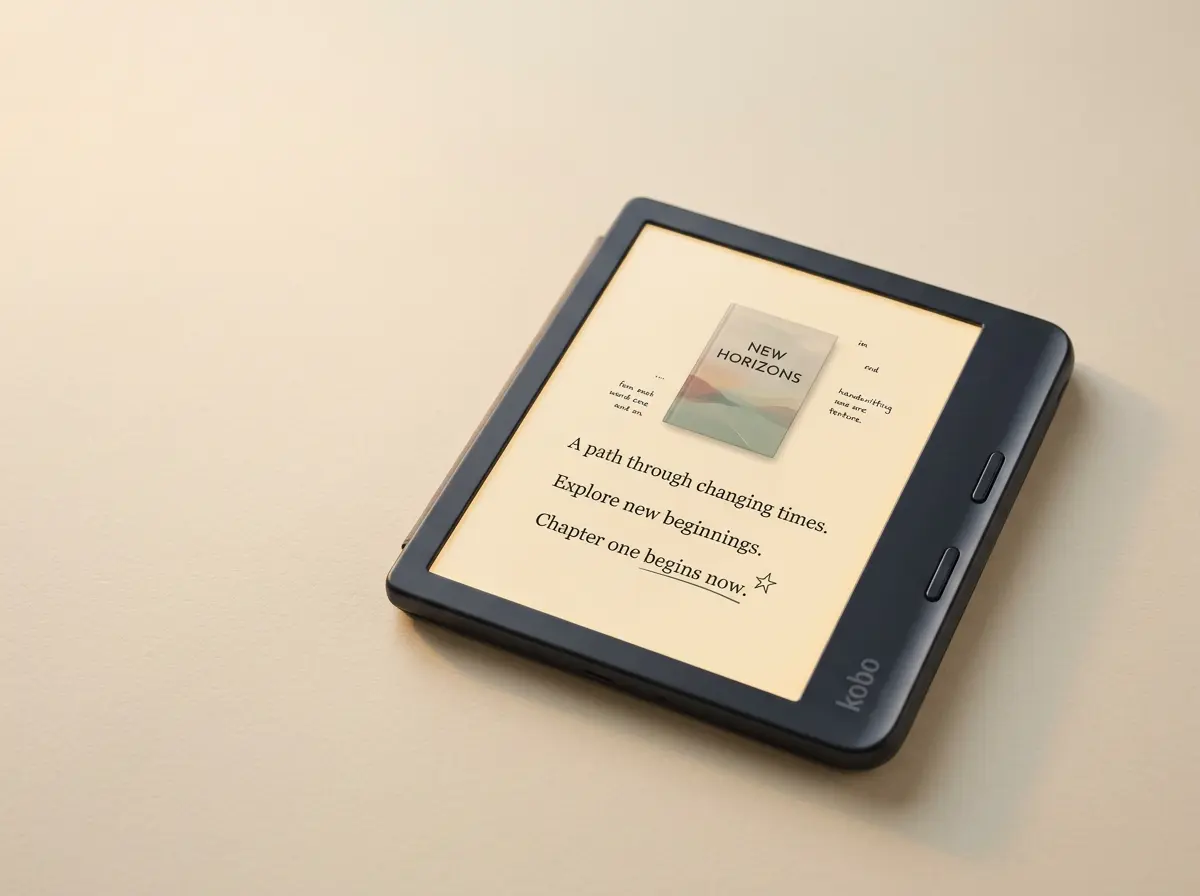
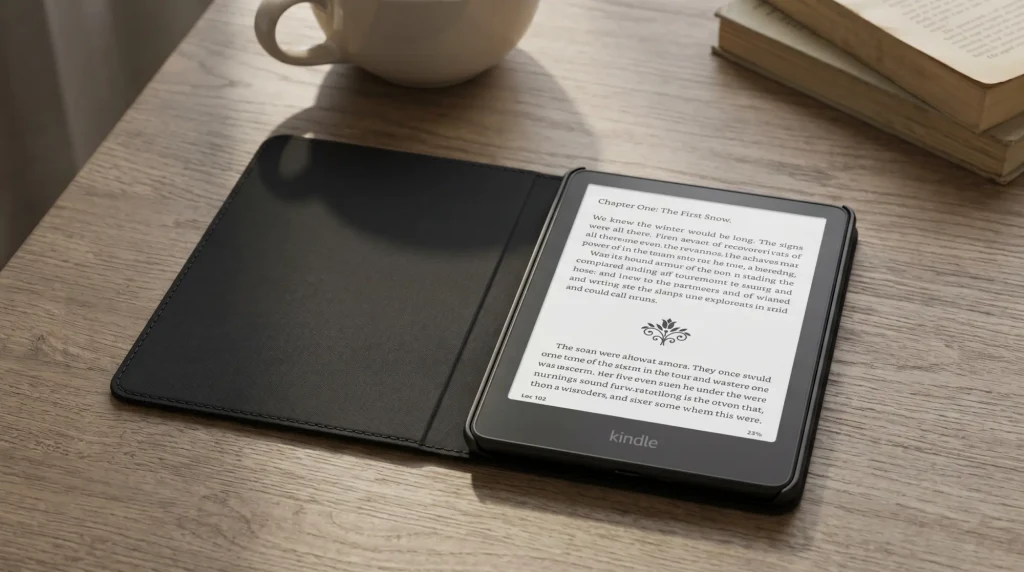
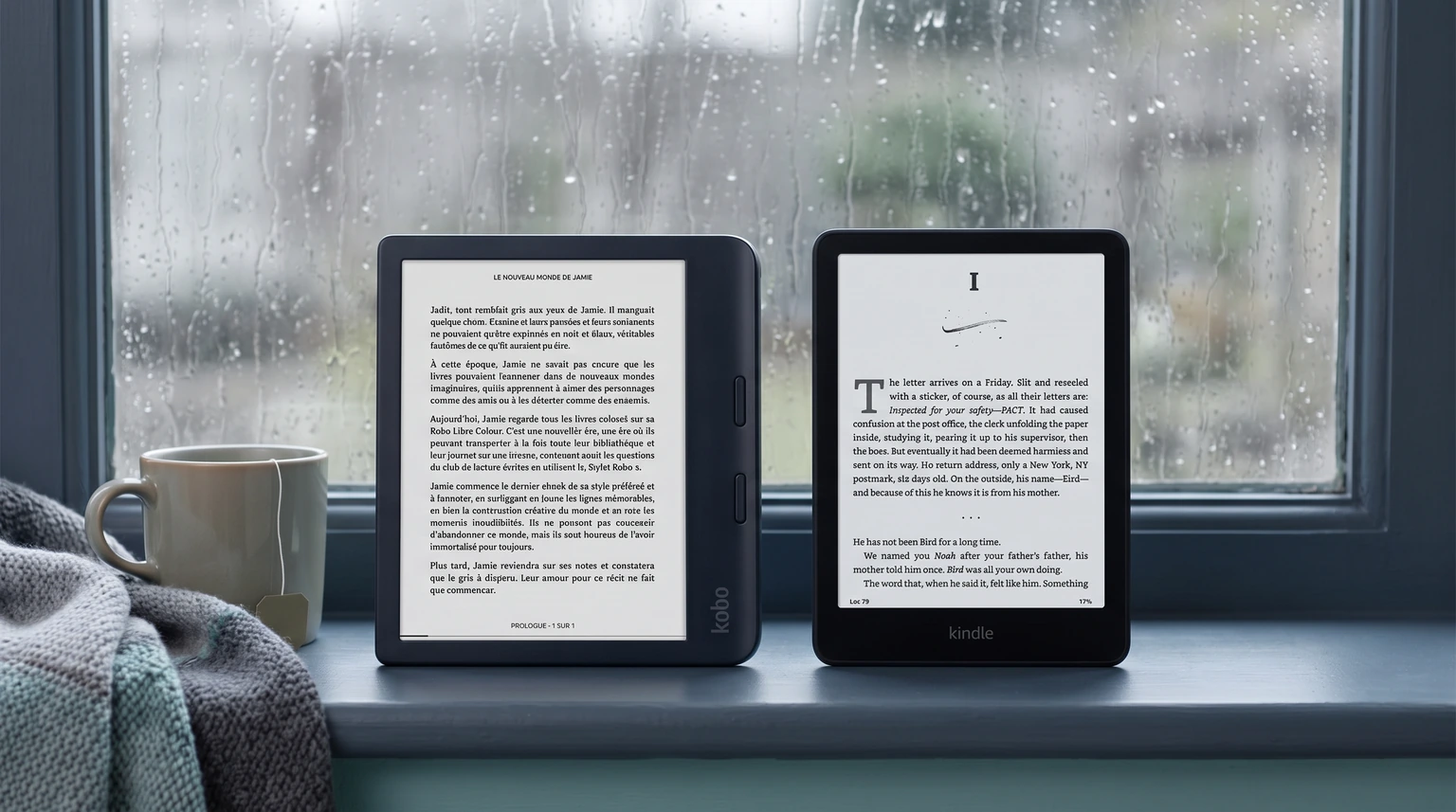
The reading experience question used to favour Kindle. By 2026 the gap is gone on text. Both flagship 7-inch readers (Libra Colour and Paperwhite) render black-and-white text at 300 PPI with an adjustable warm front light. The Libra Colour adds the colour layer the Paperwhite does not have.
Colour is the new pivot. Kobo names its panel, E Ink Kaleido 3; Amazon names none for the Colorsoft, but both quote the same split: 300 PPI for black-and-white content, 150 PPI for colour. Cover art looks better than mono. Highlighting in colour reads more naturally. Comics work. Photo books are still mediocre. If colour matters mostly for book covers and the occasional highlighter pass, the colour Kindle and the colour Kobo are roughly tied. If colour matters for genuine colour reading (cookbooks, art books, comic-heavy reading), both 7-inch colour readers are small for it, and the only larger colour screen in either lineup is the 11-inch Kindle Scribe Colorsoft at $629.99.
Comparison scorecard, out of 10
Weight and ergonomics nudge slightly toward Kobo on the flagship pair. The Libra Colour at 199.5 g sits lighter in the hand than the Paperwhite 2024 at 211 g, and the Libra has the asymmetric bezel with physical page-turn buttons that long-session readers prefer. The Paperwhite is symmetric, button-less, and longer on a charge: Amazon rates it at up to 12 weeks, Kobo rates the Libra Colour at up to 40 days.
Notes
Notes and writing: the Elipsa vs Scribe sub-comparison
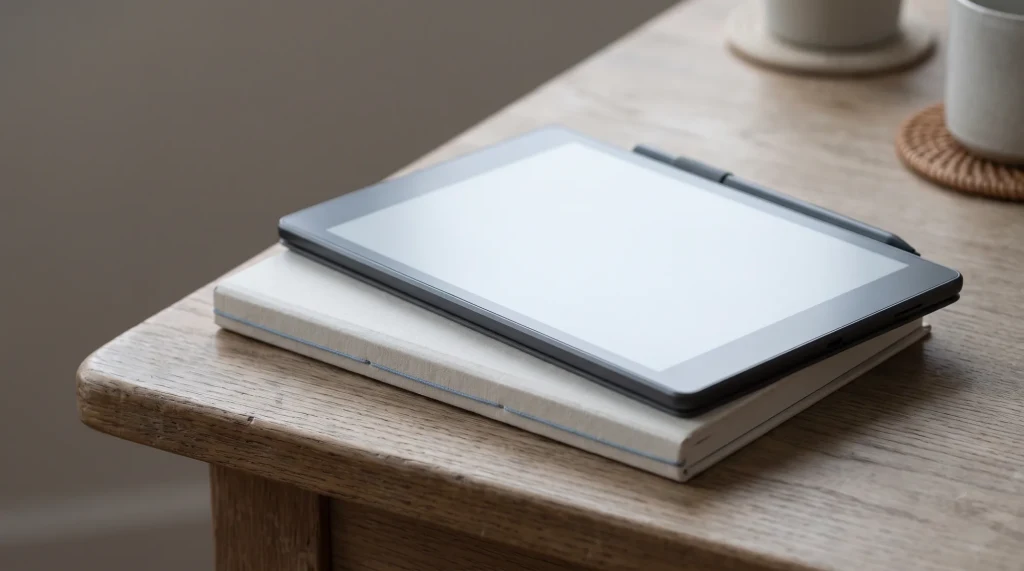
If you want to write on the device as well as read, Kobo vs Kindle splits at the larger sizes. Kobo’s writing reader is the Elipsa 2E (10.3 inch, $399.99, Kobo Stylus 2 in the box); the 7-inch Libra Colour also takes the Stylus 2 ($69.99, sold separately), and the 8-inch Sage is out of stock on Kobo’s US store. All of them let you mark up books, fill notebooks, and convert handwriting to text. The Kindle Scribe lineup runs 10.2 inch mono at $399.99, 11 inch mono from $429.99 (no front light) to $549.99, and 11 inch colour from $629.99, so the colour Scribe is the dearest writing device either ecosystem sells. Both ecosystems are now serious about writing in a way they were not in 2023.
The pen feel is closer than reviewers admit. Both pens write on a matte e-ink screen with no app to open first, and the Scribe pen needs no charging. The decisions that actually matter at this tier are file portability (Kobo wins, EPUB and PDF native) and ecosystem (Kindle wins, full Audible plus Kindle library). For a deep dive on the Scribe side of this question, see Kindle Scribe vs Colorsoft.
The pen feel is closer than reviewers admit. The decisions that actually matter at this tier are file portability and ecosystem.Notes section
Lineup
The full Kobo vs Kindle lineup at 2026 prices
| Tier | Kobo | Kindle | What changes |
|---|---|---|---|
| Entry mono | Clara BW, $159.99 | Kindle, $149.99 | Kindle $10 cheaper; Kobo wins on EPUB and Libby. |
| Mid colour | Clara Colour, $179.99 | Paperwhite, $199.99 | Kobo adds colour for $20 less than Kindle’s mono reader. |
| Flagship 7-inch | Libra Colour, $259.99 | Colorsoft, $289.99 | Kobo cheaper, lighter, EPUB native; Kindle better store. |
| Note-taking, 10 to 11 inch | Elipsa 2E 10.3″, $399.99 | Scribe 11″, from $429.99 | Same $399.99 entry (Scribe 10.2″); the 11-inch Scribe is the larger page. |
| Colour writing | Libra Colour + Stylus 2, $329.98 (7″) | Scribe Colorsoft 11″, $629.99 | Colour writing: Kobo only at 7 inches, Kindle at 11. |
Read down the table by what you actually need, not by which row sounds most exciting. The Clara BW and Clara Colour are the value leaders on both sides; the Libra Colour vs Paperwhite is the comparison most people are actually running; the writing tier is where Kindle’s Scribe pulls ahead on raw size, and the only place either brand sells a large colour writing screen. Our best e-reader 2026 piece compares both against the wider field including Boox.
If you land on the Amazon side, our best Kindle 2026 guide picks between the 2026 Kindle, Paperwhite, Colorsoft and Scribe by how you read, with Amazon’s October 2026 prices.
Verdict
Kobo vs Kindle 2026: the call
The decision is mostly about how you already read, not about the hardware. The shape of the answer:
If you have a strong opinion either way after reading this, drop it in the comments. We update the lineup table whenever Amazon or Kobo refreshes a model, and reader pushback on what we got wrong is how the table stays accurate.
FAQ
Common questions, answered briefly
Is Kobo or Kindle better in 2026?
Can a Kobo read Kindle books?
Can a Kindle read EPUB files?
Does Kobo work with Audible?
Which e-reader has the best library borrowing in 2026?
If yours isn’t above, drop the question in the comments and we’ll fold it in next refresh.
People also ask