What it has to do
What an airbnb host tax spreadsheet template actually needs to do
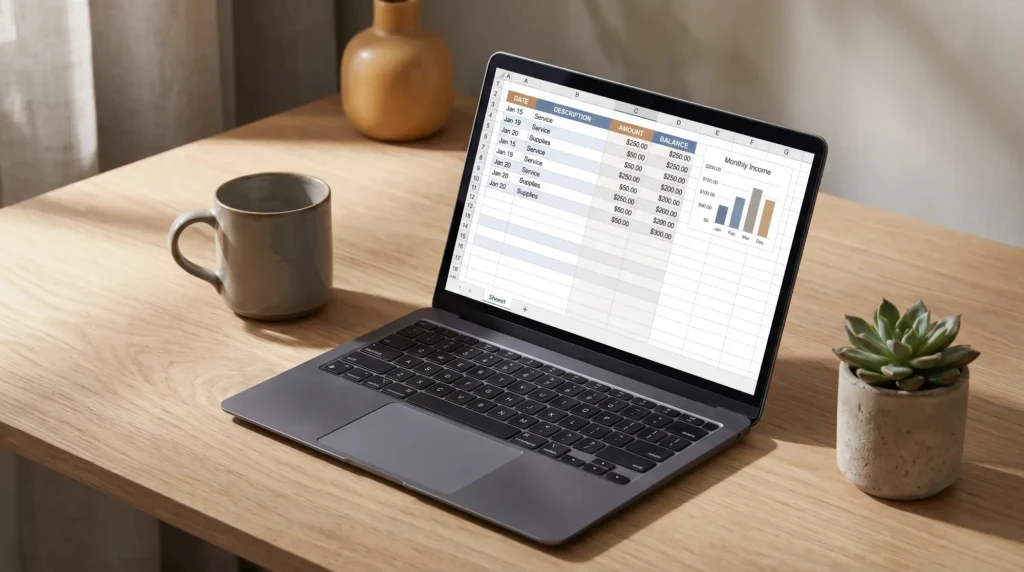
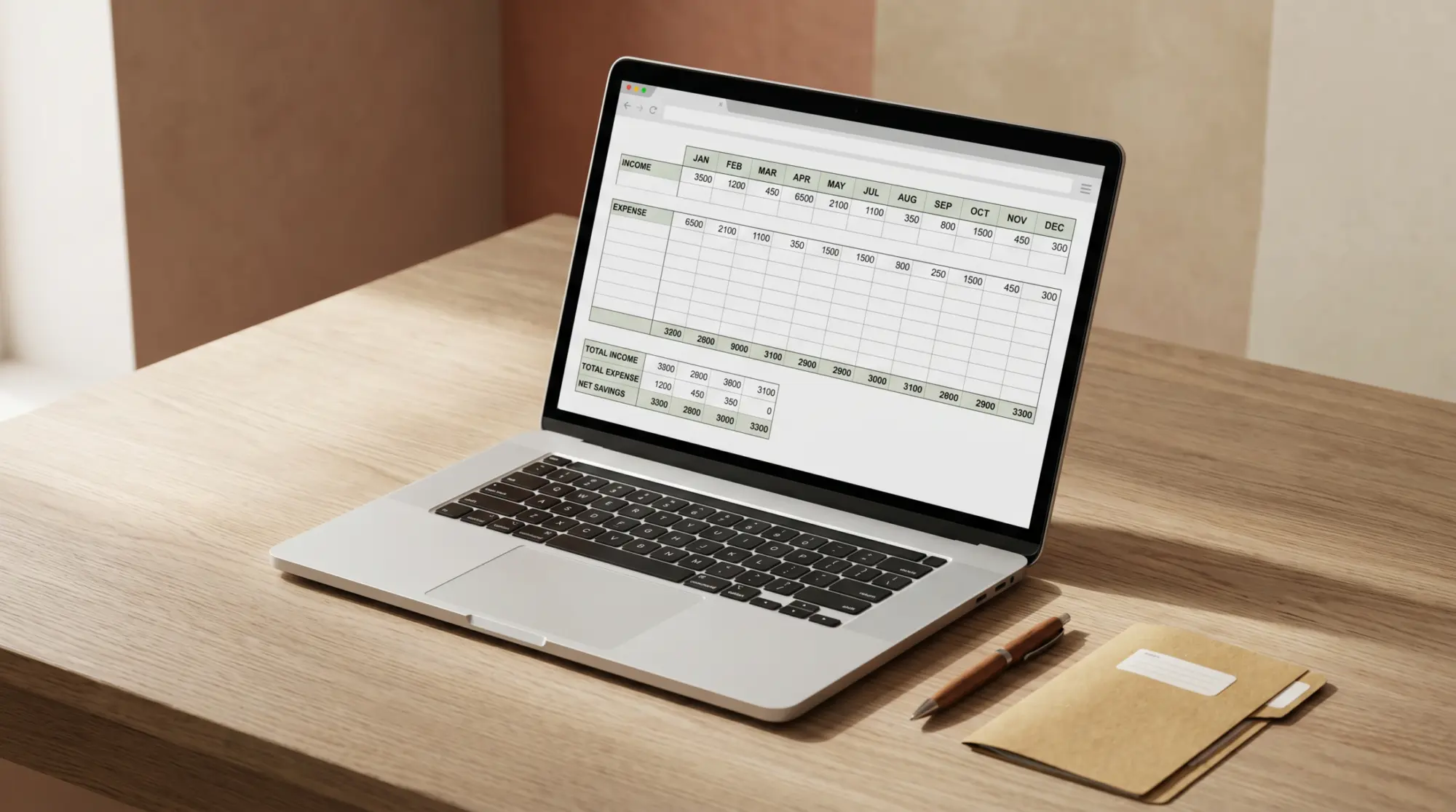
An airbnb host tax spreadsheet template has one job: when the accountant asks for the year-end rollup, you hand them a single tab where every expense is already categorised the way the tax return wants it. No re-sorting. No “what was this for again” forensics in March.
That alignment is the whole point. Most free templates we see on Reddit and on host forums log expenses by month and let the host figure out categorisation later. That is a March-shaped problem.
The categories
The twelve expense categories your spreadsheet should default to
These match US Schedule E line items. If you file elsewhere, swap the labels but keep the structure; the categories are universally how rental-income returns are organised.
| Category | Schedule E line | Examples |
|---|---|---|
| Cleaning | 7 | Turnover cleaning, deep cleans, cleaner tips |
| Supplies | 15 | Toilet paper, soap, coffee, kitchen consumables |
| Repairs | 14 | Plumbing, appliance fix, drywall, paint touch-up |
| Utilities | 17 | Power, water, gas, internet, trash |
| Insurance | 9 | Short-term rental policy, umbrella coverage |
| Depreciation | 18 | Furniture, the unit itself (work with an accountant) |
| Mortgage interest | 12 | Interest portion only, not principal |
| Property tax | 16 | Annual property tax allocated to rental days |
| Professional fees | 11 | Bookkeeper, accountant, lawyer |
| Advertising | 6 | Photography, listing optimisation, paid promotion |
| Travel | 5 | Drives to the property for maintenance or turnover |
| Licences | 16 / Other | STR permit, business licence, occupancy registration |
The structure
How the spreadsheet should be built
Three tabs do the work. More than three is decoration; fewer than three forces you to choose between income tracking and expense tracking.
Tab 1, Income
One row per stay. Date, guest name, gross booking, platform fee, cleaning fee passed through, host net, property. Sum the host net column at the bottom. That number is your gross rental income on the return.
Tab 2, Expenses
One row per expense. Date, vendor, amount, category (use a dropdown referencing the twelve categories above), property, notes. The dropdown is the trick; it forces you to categorise at the moment of entry, not in March.
Tab 3, Year-end rollup
A SUMIFS grid that pulls totals by category and by property. This is the tab you screenshot for the accountant. Build it once with formulas; never edit it manually.
The IRS does not ask what you spent in April. They ask what you spent on repairs.
The deductions hosts miss
Five deductions first-year hosts forget
- Mileage to the property: every drive for cleaning, maintenance, or guest issues. Log at the time of the drive. The IRS standard mileage rate covers it.
- Listing photography: the cost of professional photos is fully deductible under advertising.
- STR permits and licences: municipal permit fees, transient occupancy registration, business licences. Often forgotten because they’re billed annually.
- Software subscriptions: dynamic pricing tools, scheduling tools, the spreadsheet template itself. Software for the hosting business is deductible.
- Depreciation of furniture: the couch, the bed, the dishwasher. Five to seven year recovery period. Work with an accountant on this one.


Everything you hand a guest, matched and priced to move together.
Where the templates fall short
Why most free templates fail at tax time
We’ve audited maybe thirty free airbnb host tax spreadsheet templates over the past year. The same three failures keep showing up:
- No category dropdown. Hosts type free-text categories and end up with “Repair,” “repairs,” “Repair (plumb),” and “fixing the sink” as four different rollups.
- No depreciation handling. Furniture and the unit get expensed in year one, which overstates the deduction and gets flagged.
- No per-property split. A two-unit host who runs one combined sheet can’t allocate property tax or insurance correctly on the return.
Any one of those three is enough to make the spreadsheet useless at year-end. Together, they’re the difference between a clean filing and an amendment.
The Airbnb Superhost Bundle is live, and the host spreadsheet inside it ships with the twelve-category dropdown and a per-property selector pre-wired.
One disclaimer: nothing here is tax advice. Categories vary by jurisdiction, and depreciation in particular is where an accountant earns their fee. Use the structure; verify the line items against your own return.
If you’ve built one of these and want a second set of eyes on the categories, drop the file in the comments. The host community gets sharper when the spreadsheets get sharper.
If tax season is the reason you are reading this, our Airbnb expenses spreadsheet keeps the deductible categories in one place.
FAQ
Common questions, answered briefly
What expense categories does an airbnb host tax spreadsheet template need?
Is short-term rental income taxable if I rent less than 14 days a year?
Can I deduct the airbnb host tax spreadsheet template itself?
How do I handle depreciation in a spreadsheet?
Should I categorise expenses as they happen or at year-end?
If yours isn’t above, drop the question in the comments and we’ll add it.
People also ask