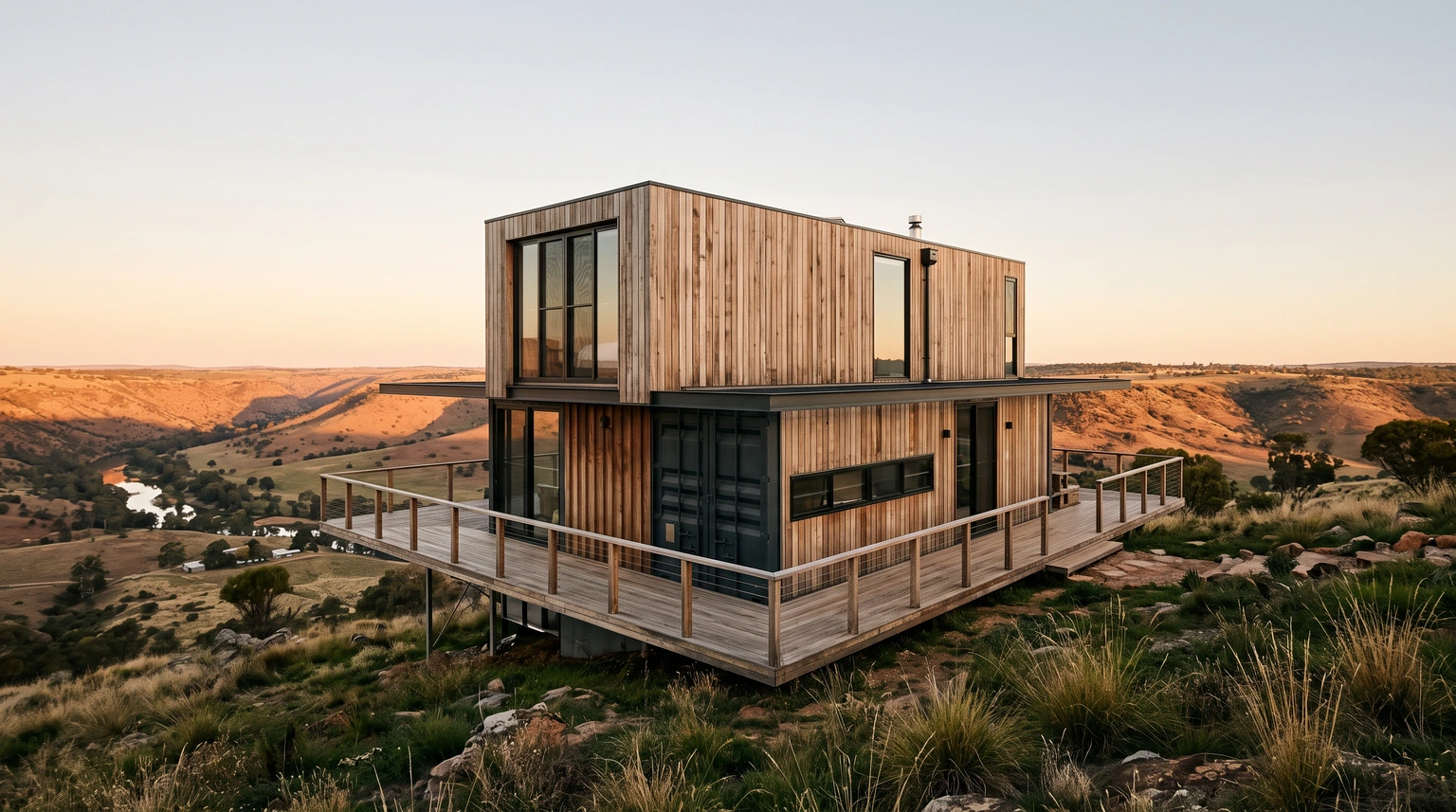
The honest version
What hosting actually takes in 2026
Search how to become an Airbnb host and most answers describe the signup flow: photos, description, publish. That part is genuinely easy; Airbnb has spent a decade sanding it smooth. The harder question is the one the signup flow never asks: whether this specific space, in this specific city, at your specific tolerance for 11pm messages, is a business or a hobby. Hosting in 2026 is a regulated, fee-structured, review-driven operation, and the hosts who profit treat it that way from the first week.
The steps below are ordered deliberately. Rules before money, money before furniture, furniture before the listing. Beginners who run the order backwards furnish a place they cannot legally list, or list a place whose numbers never worked. Two hours of checking saves a five-figure mistake.
The steps
How to become an Airbnb host, step by step
-
1
Check your local short-term-rental rules
Search your city or county name plus “short-term rental ordinance.” Many cities require permits, cap rental nights, or restrict whole-home rentals to primary residences. If you rent, read your lease; if you have an HOA, read the covenants. This step kills more hosting plans than any other, which is exactly why it goes first.
-
2
Run the numbers before buying anything
Estimate nightly rate from comparable listings in your area, assume 50% to 60% occupancy for year one, then subtract platform fees, cleaning, supplies, utilities, and the permit. Our startup cost spreadsheet walkthrough structures this. If the math only works at 85% occupancy, the math does not work.
-
3
Set up the space for guests, not for photos
Durable over decorative: a firm mattress, blackout curtains, fast Wi-Fi, a coffee setup, and locks that do not require a key handoff. The photo-ready styling matters for one afternoon; the mattress gets reviewed every stay.
-
4
Create the listing properly the first time
The host setup flow takes under an hour. Spend that hour on the three fields that move bookings: a title built from concrete amenities, a cover photo that survives thumbnail size, and an honest amenity checklist. Our listing optimization playbook covers all six levers in depth.
-
5
Price below market for the first 90 days
New listings have zero reviews, and reviews are the currency. Pricing 10% to 20% under comparable listings buys booking velocity, which buys reviews, which buys search rank. Raise the rate as the review count climbs.
-
6
Build the boring systems before the first guest
Saved message templates for inquiry, check-in, and checkout; a cleaning checklist; a single document with the Wi-Fi password, parking notes, and house rules. The first guest should not be the test run of your operations.
-
7
Track the money from booking one
One row per booking: gross, platform fee, cleaning, net. Start the habit when there is one row, not when tax season arrives and there are sixty. Our Airbnb spreadsheet guide shows the layout.
The cost
What it costs to start
Startup cost depends almost entirely on what the space already has. A furnished spare room can be guest-ready for a few hundred dollars of linens, locks, and supplies. An unfurnished one-bedroom typically lands somewhere in the $3,000 to $8,000 range once a mattress, sofa, kitchen kit, and window coverings are real line items, plus whatever your city charges for a permit. The recurring costs are the ones beginners undercount: supplies replenishment, higher utilities, and the platform fee structure, which takes roughly 15% of gross one way or another.
The useful discipline is separating one-time from recurring before you spend. One-time costs amortize across every future booking; recurring costs set your real margin. A $6,000 setup hurts once. A 35% recurring cost structure hurts every month forever.

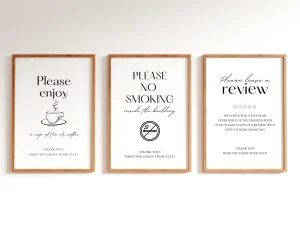
Everything you hand a guest, matched and priced to move together.
The first quarter
The first 90 days: reviews before revenue
The first quarter of hosting has one goal, and it is not profit. A listing with fifteen five-star reviews and a modest margin is worth more than a listing with four reviews and a great margin, because reviews compound through search rank and conversion for years. Practically, that means pricing under market, replying to every message fast, and writing guest reviews promptly so guests reciprocate. Airbnb’s hosting resource center is worth a skim here; the platform is unusually transparent about what its algorithm rewards.
A listing with fifteen five-star reviews and a modest margin is worth more than a listing with four reviews and a great margin.The first quarter
After 90 days you will know things no calculator could tell you: your real occupancy, your real cleaning cost, whether the 11pm messages bother you. That is when to raise rates, tighten the calendar, and decide whether this is one listing or the first of several. If you are mid-launch right now, tell us in the comments which step is fighting you; the sticking points readers report shape what we cover next.
FAQ
Common questions, answered briefly
What are the requirements to become an Airbnb host?
How much does it cost to start an Airbnb?
Is becoming an Airbnb host worth it in 2026?
How long does it take to get the first Airbnb booking?
Three adjacent reads: what an Airbnb co-host does if you would rather not run it solo, the Airbnb business plan template to put numbers behind the idea, and the Spain Airbnb crackdown if you are hosting in a regulated market.
If yours isn’t above, drop the question in the comments and we’ll fold it in.
People also ask