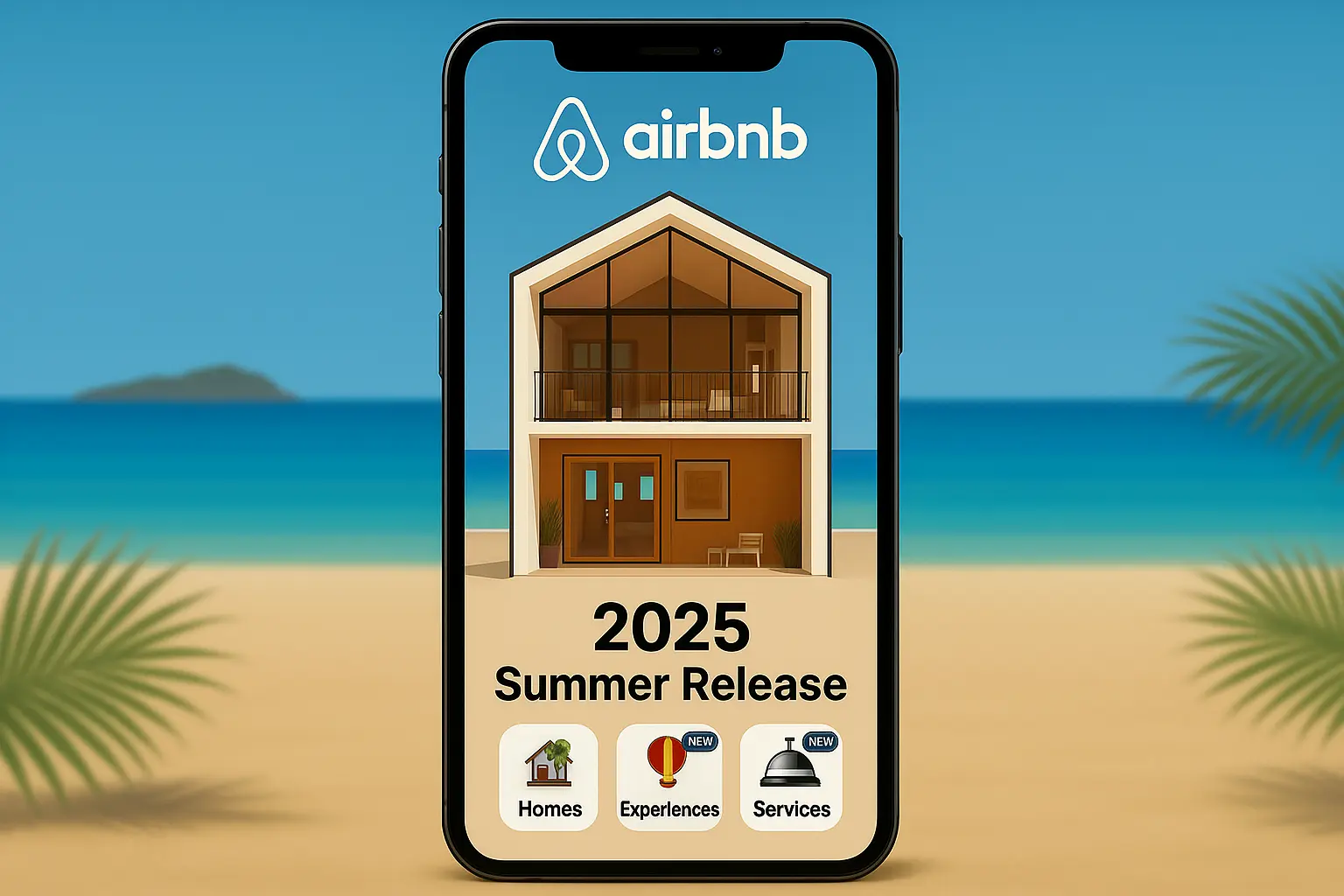
How to add a note to airbnb calendar notes (2025) Summer Update? Quick Fix
After the Summer 2025 Airbnb update, many hosts are asking: “Where did the Airbnb Calendar Notes feature go?”

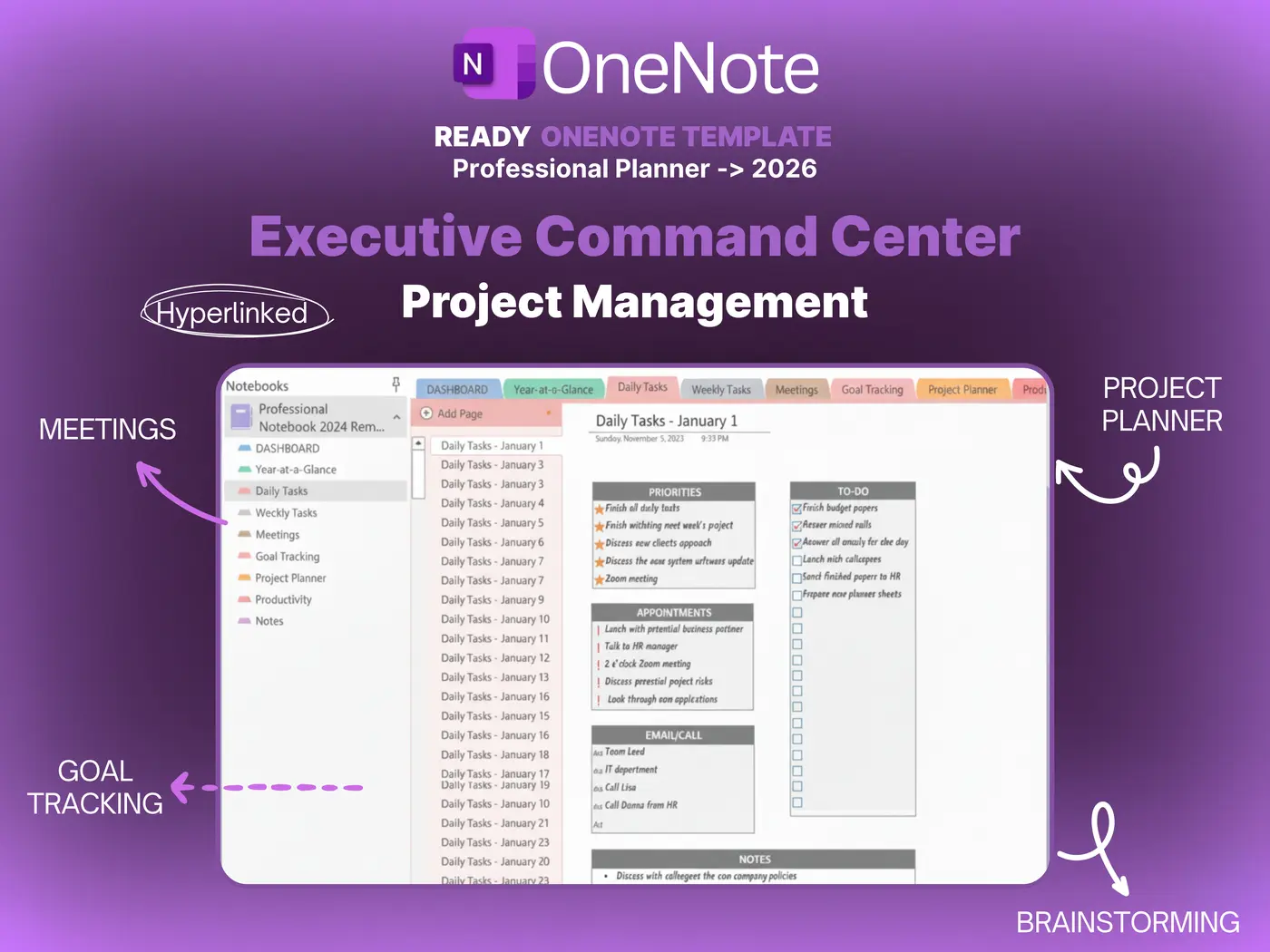
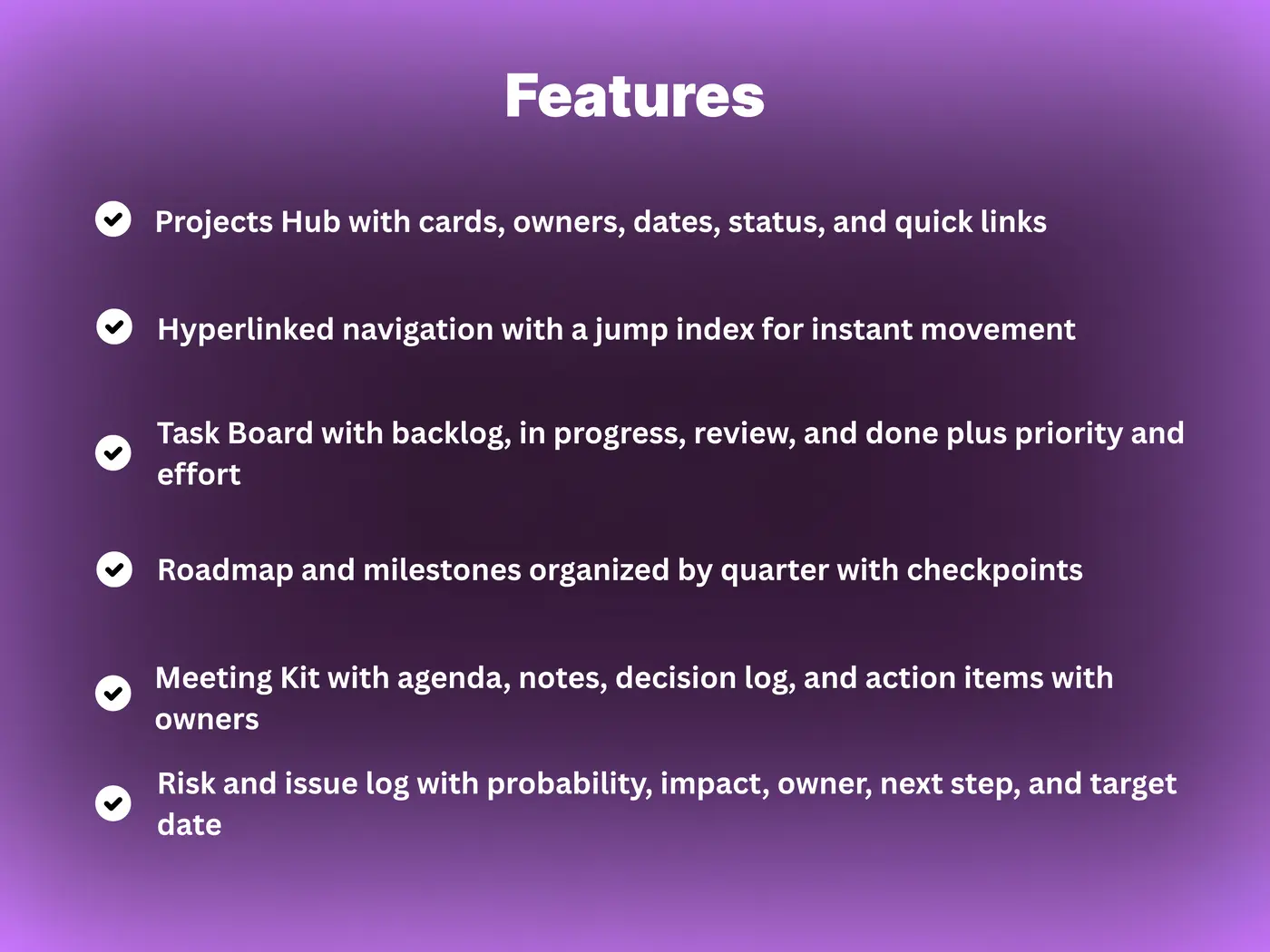
System Flexibility
Infinite Canvas
Cross-Device Sync
OneDrive Core
Cost Efficiency
Zero Monthly Fees
Modern productivity is a delicate balance between high-speed execution and rigid structural organization. When moving a team away from scattered sticky notes and isolated spreadsheets, implementing professional onenote project management templates is a definitive operational upgrade. Unlike expensive, highly structured SaaS platforms that force you into rigid data fields, Microsoft’s flagship software offers an organic, free-form environment.
In this comprehensive, 1,500-word analysis, we will dissect the underlying technical mechanics required to build a foolproof tracking system. We will explore how to establish a proper page hierarchy, effectively integrate remote cloud synchronization, and avoid common data-bloat pitfalls. Whether you are leading a massive engineering firm or operating a boutique design agency, utilizing the correct structural framework is essential for maintaining control over complex professional deliverables.
Technical Deep Dive: Microsoft’s software organizes data through an XML-based file hierarchy mapped natively to SharePoint or OneDrive. This structure operates on a “Notebook > Section Group > Section > Page” protocol. This deep nesting capability allows the database to process thousands of pages without bogging down local system memory. High-quality onenote project management templates exploit this specific structural advantage by utilizing collapsible sub-pages to keep the user interface incredibly clean and focused.
Workflow Application: To optimize your daily workflow, create a primary “Client Archive” Notebook. Inside, utilize a Section Group for each client. Under those groups, specific onenote project management templates should be dedicated to individual deliverables. This architecture ensures that when you are searching for a specific Q3 budget proposal, the visual path is entirely logical and requires minimal clicking to navigate.
Technical Deep Dive: Unlike Microsoft Word or Google Docs, this platform operates on an absolute coordinate plane, giving users an infinite canvas. Text boxes, images, and tables are treated as individual floating vector objects. This allows elements to be placed side-by-side without relying on complex table formatting or margin manipulation, providing an exceptionally fluid interface for rapid data entry.
Workflow Application: During a brainstorming session, this lack of borders is highly advantageous. You can import one of your pre-built onenote project management templates and place a mind map right next to a structured budget table. This flexibility is perfect for agile creative teams who need to visually connect abstract concepts with hard financial data on a single, continuously scrolling page.
Technical Deep Dive: The search indexing protocol within the Microsoft 365 ecosystem is remarkably powerful. It scans local cache files instantly and can even utilize Optical Character Recognition (OCR) to read text inside inserted images. By utilizing custom tags (e.g., “To-Do,” “Critical,” “Client A”), the software compiles a dynamic database that can be queried across every open notebook simultaneously.
Workflow Application: Rather than hunting manually through tabs, use the “Find Tags” feature to generate a master summary pane. If you embed standard checkbox tags into your onenote project management templates, the software will automatically collect every unchecked task from across your entire enterprise. It essentially turns a simple notebook into a highly advanced, automated tracking dashboard.
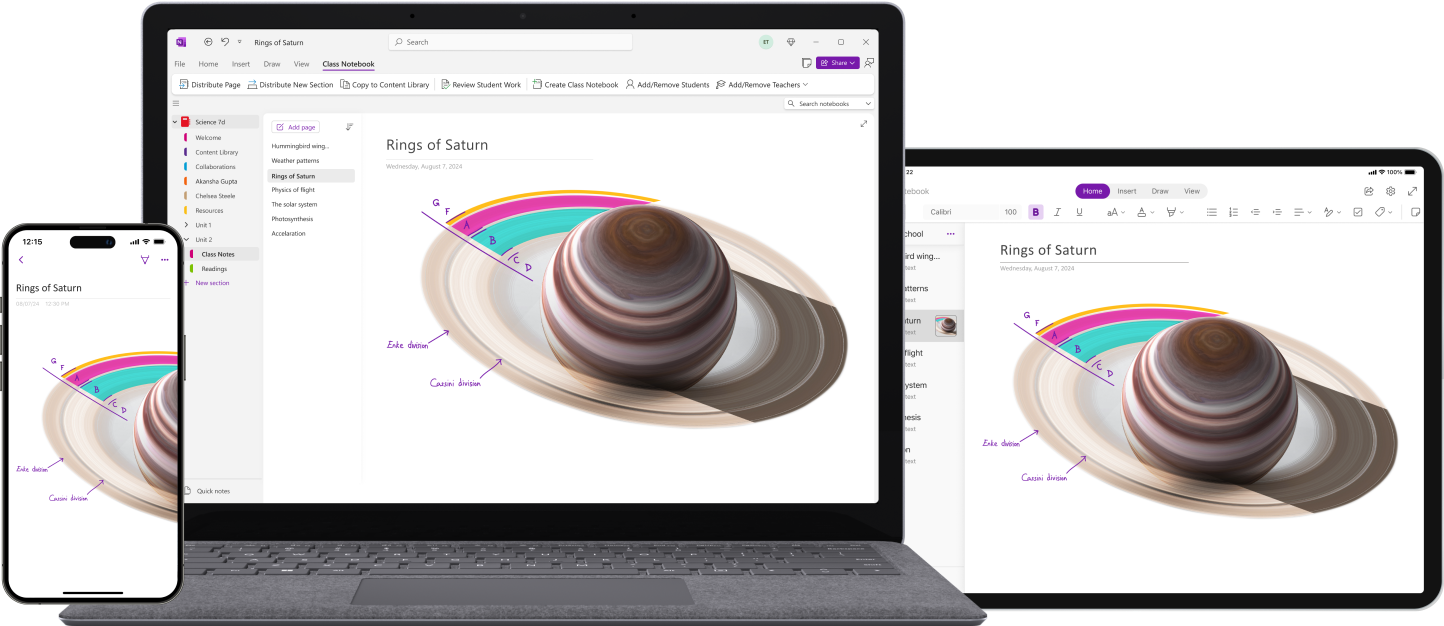
Technical Deep Dive: While not a dedicated Kanban software like Trello, the infinite canvas handles agile tracking beautifully through embedded tables. By configuring a 3-column table (To Do, Doing, Done), the software treats each row as an independent object block. You can highlight entire rows and drag them seamlessly between columns without breaking the underlying text formatting or document structure.
Workflow Application: For sprint planning, utilizing onenote project management templates with a pre-formatted Kanban layout ensures your entire team is aligned. During a weekly review, team members can physically drag their assigned tasks across the columns. This visual progression provides immediate clarity on potential bottlenecks without requiring anyone to navigate complex dropdown menus or permission settings.
Technical Deep Dive: True Gantt charts require algorithmic date dependencies, which native notebooks lack. However, the software supports direct Object Linking and Embedding (OLE) with Microsoft Excel. When you insert an existing spreadsheet, a live preview is generated on the canvas. Any changes made to the source Excel file will automatically update the preview image via background syncing.
Workflow Application: For construction or manufacturing professionals dealing with strict chronological dependencies, standard onenote project management templates can feel limiting. By embedding an Excel timeline directly onto the page, you get the best of both worlds. You have the strict mathematical rigor of Excel for dates, surrounded by the organic, free-form space of a notebook for qualitative meeting minutes.
Technical Deep Dive: The DeltaSync protocol powers the collaborative engine of the software. When multiple users type on the same page simultaneously, the system transmits only the changed data packets (deltas) rather than the entire file. This highly efficient network transfer results in near real-time co-authoring, complete with color-coded author initials appearing next to newly generated text blocks.
Workflow Application: During a remote daily stand-up, every participant should have the same page open. Using standardized onenote project management templates for retrospectives, team members can concurrently type their “Blockers” and “Wins.” This drastically reduces meeting time, as the documentation happens simultaneously alongside the verbal conversation, leaving a permanent, searchable record behind.
| Framework Focus | Recommended Layout | Ideal Team Size |
|---|---|---|
| Agile / Scrum | 3-Column Kanban Table | 3 to 10 Members |
| Waterfall | Embedded Excel Gantt | 10+ Members |
| Client Intake | Structured Questionnaire | 1 to 3 Members |
Technical Deep Dive: The software’s mobile applications utilize background refresh APIs to ensure your data is always current. Because notebooks are fundamentally stored on OneDrive or SharePoint, the mobile app acts as a highly optimized viewing terminal. It downloads text layers first, followed by heavy image assets, ensuring that critical data is accessible even on low-bandwidth cellular networks.
Workflow Application: If you are traveling between site visits, the mobile app is indispensable. By loading your onenote project management templates onto your phone, you can dictate voice notes directly into specific project folders. When you return to your desktop, those audio files and transcriptions are already synced and waiting, perfectly organized within your master client hierarchy.
Technical Deep Dive: The software features a robust inking engine that translates raw digitizer input (like Wacom EMR) into scalable vector graphics. This means handwritten notes do not lose resolution when zoomed in. Furthermore, the engine automatically applies smoothing algorithms to reduce “jitter” from digital styluses, producing clean, highly legible cursive script on compatible hardware.
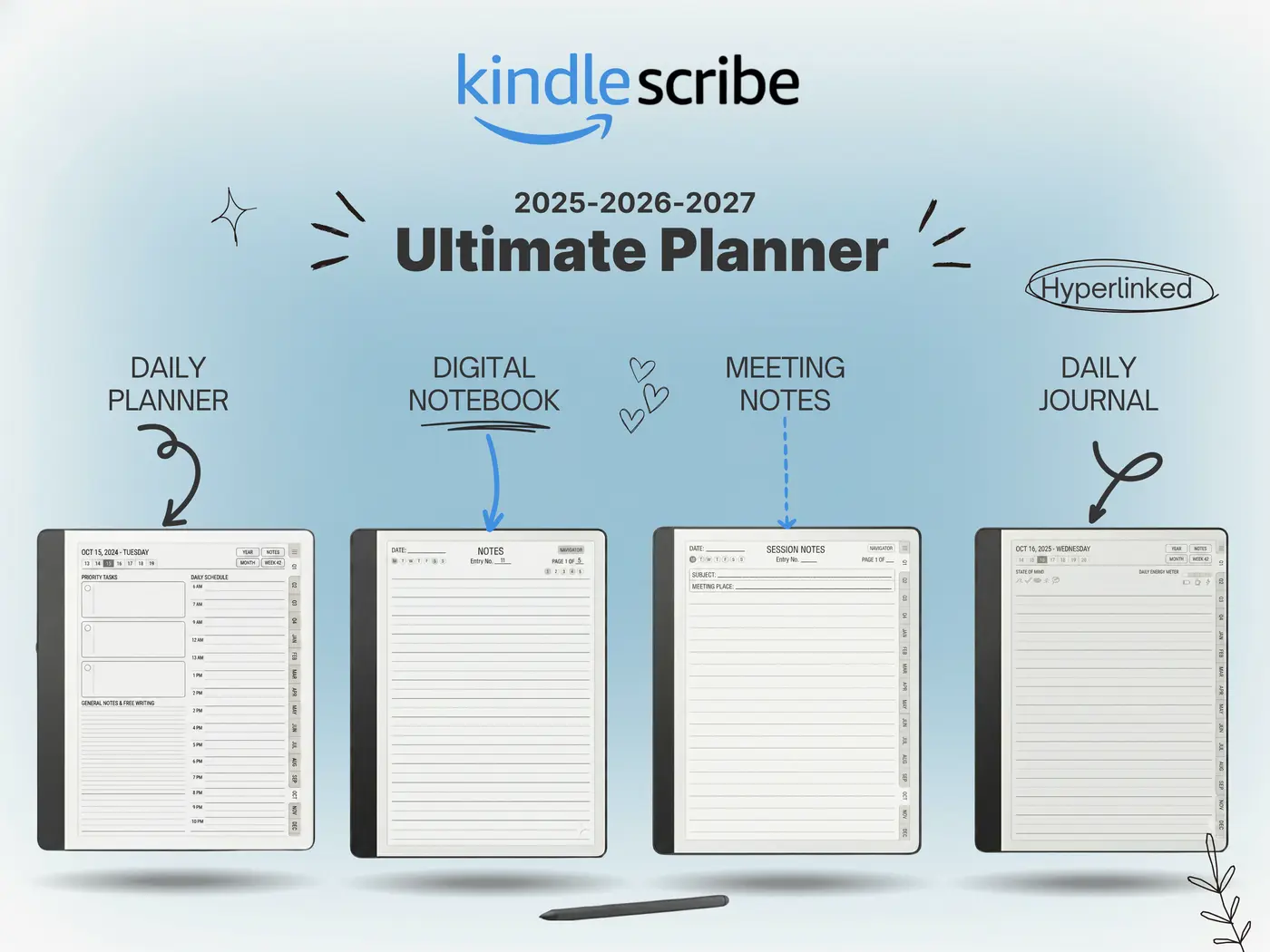
Workflow Application: For those utilizing modern digital paper, the synergy is flawless. As detailed in our Kindle Scribe Onenote Integration 2025 setup guide, utilizing onenote project management templates on an e-ink device bridges the tactile feel of an analog notebook with the permanence of digital cloud storage, perfect for executives who prefer handwriting their daily strategy.
Technical Deep Dive: A major technical advantage over web-only tools (like Notion or Asana) is the robust local caching system. The desktop application downloads a complete, encrypted copy of your notebook to your hard drive. It utilizes a “Last Writer Wins” conflict resolution algorithm but safely stores previous versions in a hidden “Page Versions” tab, guaranteeing data is never accidentally overwritten.
Workflow Application: If you frequently work on airplanes or in secure, zero-signal environments, this software is mandatory. You can execute massive organizational overhauls on your onenote project management templates entirely offline. The moment your laptop reconnects to hotel Wi-Fi, the background sync engine seamlessly pushes your changes to the cloud, merging them effortlessly with your team’s live edits.
Deploying a new organizational system requires deliberate technical execution to avoid syncing errors and file corruption. Follow this specific roadmap for deployment.
Technical Deep Dive: Sharing logic is handled at the notebook level, not the page level. Microsoft utilizes a token-based authentication system. When you generate a sharing link, you are creating a unique cryptographic token that grants access. You can configure these tokens to expire after a certain date or require a specific corporate email domain to authenticate before the notebook downloads.
Workflow Application: When onboarding a new freelancer, never give them access to the entire master notebook. Instead, distribute a link that specifically targets the onenote project management templates relevant to their exact assignment. This preserves the security of your overarching corporate strategy while providing the contractor with the exact tracking framework they need to succeed.
Technical Deep Dive: The software utilizes 128-bit AES encryption to lock specific sections. Once a section is locked, the local cache file is heavily encrypted, and the data is completely hidden from the global search index. If the password is lost, Microsoft support cannot decrypt the file. This ensures absolute, impenetrable security for sensitive corporate intellectual property.
Workflow Application: Keep your public meeting minutes open, but lock down the tabs containing vendor pricing and internal HR reviews. By integrating encryption into your onenote project management templates, you create a unified environment where public collaboration and extreme privacy coexist perfectly within a single, cohesive interface.
Technical Deep Dive: Because the software allows for infinite nesting, it is easy to create a labyrinth. Every time you create a new section, the software generates a separate `.one` file in the background cloud directory. Excessive file generation forces the synchronization engine to poll hundreds of endpoints simultaneously, resulting in a sluggish user interface and prolonged loading times on mobile devices.
Workflow Application: Keep your architecture as flat as possible. Rather than creating a new section for every single minor task, consolidate your workflow. Utilizing streamlined onenote project management templates that house multiple project phases on a single scrolling page drastically reduces sync latency, resulting in a much faster, more responsive application experience.
Technical Deep Dive: Users frequently confuse the notebook with a file storage drive. When you “Insert File as Printout,” the software renders the PDF into dozens of high-resolution PNG images. Inserting a 50MB PDF printout can balloon the notebook’s cache size to over 200MB. This aggressively eats up local hard drive space and completely chokes the upload bandwidth during background syncing.
Workflow Application: Never embed large files directly into the canvas. Instead, store your heavy PDFs or video files in a dedicated cloud folder, and simply paste the hyperlink into your onenote project management templates. This keeps your notebook lightweight, ensuring that your critical text and task updates synchronize to the rest of the team instantly without bandwidth bottlenecks.
Technical Deep Dive: Evaluating software overhead is critical for operational efficiency. Dedicated SaaS platforms charge per-user, per-month licensing fees, which scale aggressively as your team grows. Microsoft’s solution is deeply embedded into the standard Microsoft 365 enterprise license that most corporations already possess, making it an effectively “free” addition to your existing technological stack.
Workflow Application: By relying on high-end onenote project management templates instead of migrating to a dedicated platform like Monday.com, a 10-person agency can save thousands of dollars annually. If paired with proper hardware, like those reviewed in our Best E Ink Tablet 2025 comparison, it becomes a world-class, financially prudent framework for elite productivity.
Implementing comprehensive onenote project management templates allows you to bypass expensive monthly software subscriptions while maintaining total control over your workflow. By leveraging the infinite canvas, utilizing smart tag indexing, and avoiding the trap of embedded file bloat, you can transform a simple digital notepad into an enterprise-grade command center capable of running massive, agile corporate teams in 2026.
Stop wasting billable hours trying to build complex tables from scratch. Instantly upgrade your team’s tracking capabilities with our fully hyperlinked, expertly structured digital bundle designed exclusively for Microsoft users.
Download the Project TemplateAfter the Summer 2025 Airbnb update, many hosts are asking: “Where did the Airbnb Calendar Notes feature go?”
The Airbnb Off-Platform Fees policy, updated in May 2025, directly impacts how hosts handle pricing, communication, and payments. If you’re still asking whether it’s okay

The Airbnb Tour de France search trend is rising fast, and for good reason. The 2025 Tour de France will begin in Lille and end