
Airbnb Off-Platform Fees – What Hosts Must Know in 2025
The Airbnb Off-Platform Fees policy, updated in May 2025, directly impacts how hosts handle pricing, communication, and payments. If you’re still asking whether it’s okay

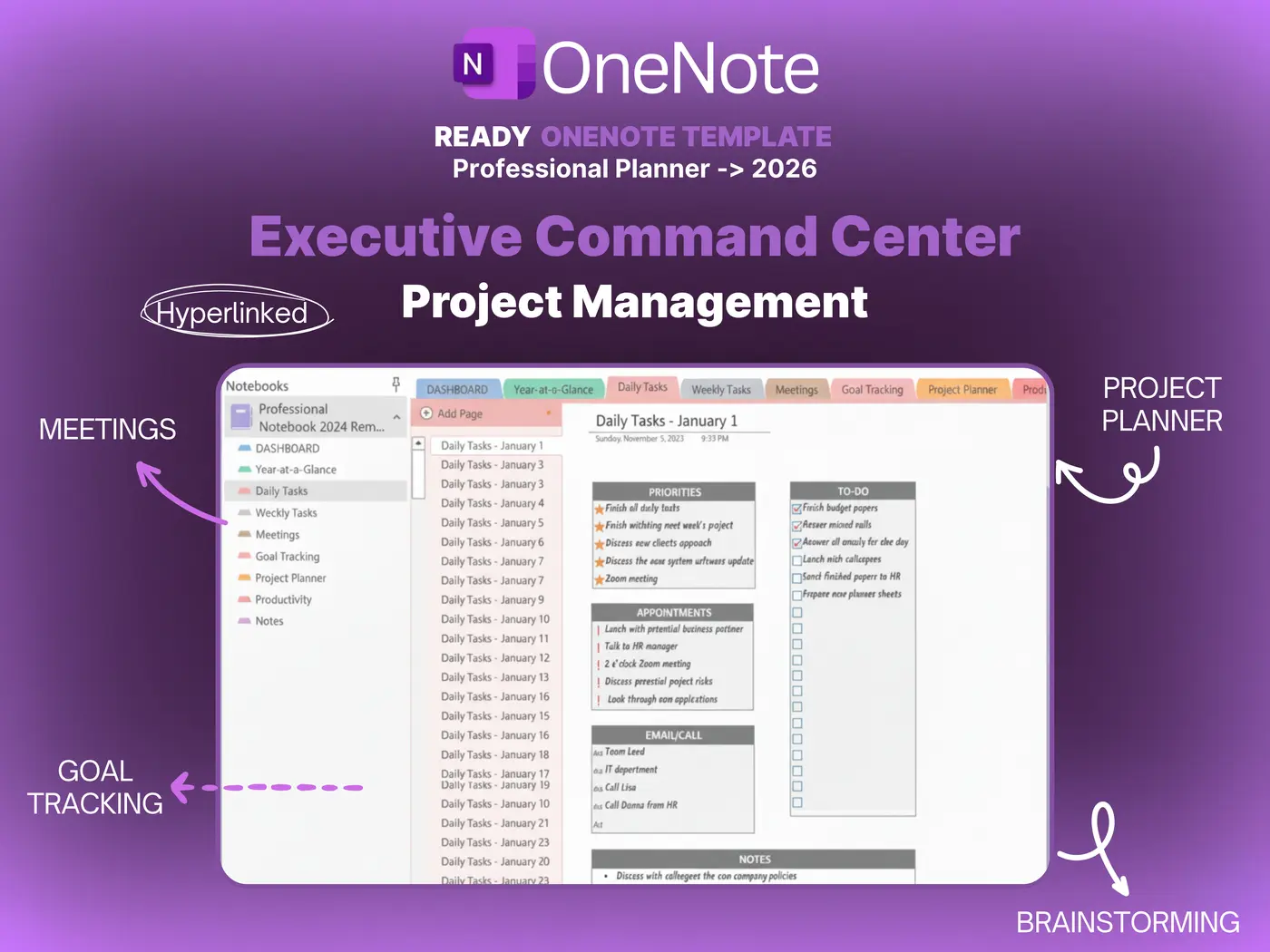
For professionals who live in the Microsoft ecosystem, the Kindle Scribe OneNote Integration has become the “holy grail” of digital productivity. The ability to combine the tactile, distraction-free experience of writing on e-ink with the robust organizational power of Microsoft OneNote is a game-changer. Since its launch, Amazon has refined the software to move beyond simple email exports, creating a more direct pipeline for your handwritten data.
In this exhaustive guide, we will break down the technical architecture behind the Kindle Scribe OneNote Integration, examine the specific export protocols, and provide a deep dive into how to manage your digital assets across devices. This journey follows the major milestones of the hardware, much like our recent coverage in Amazon Kindle Scribe Colorsoft Release Date: Official Launch Details (2025), which introduced a more powerful rendering engine for these exact cloud handshakes.
Understanding how the Kindle Scribe OneNote Integration functions at a system level is the first step toward a friction-free workflow. It isn’t just a file transfer; it’s a sophisticated handshake between Amazon’s “Whispersync” cloud and Microsoft’s “Graph API.”
Technical Deep Dive: When you initiate a transfer, your Scribe doesn’t talk directly to OneNote. Instead, it uploads the document to Amazon’s servers, which then use an authenticated OAuth2 token to push the content into a dedicated folder within your Microsoft 365 account. This Kindle Scribe OneNote Integration ensures that even if your tablet goes offline during a large transfer, the cloud will complete the process once a connection is restored.
Workflow Application: To set this up, go to “More” > “Settings” > “Your Account” > “Connected Networks.” By linking your Microsoft account here, you authorize the Kindle Scribe OneNote Integration to bypass the “Send-to-Email” step. This allows for a much cleaner export that places your notes exactly where you need them in your “Quick Notes” or “Kindle Scribe” section in OneNote.
Technical Deep Dive: It is important to note that the Kindle Scribe OneNote Integration is currently a one-way street. The vector ink data generated by the Scribe is unique to its hardware; OneNote renders these as static image containers or processed text boxes. Consequently, you cannot edit your OneNote pages back on the Kindle Scribe. The Kindle Scribe OneNote Integration serves as an archival and distribution tool, not a live collaborative canvas.
Workflow Application: Use your Scribe for “Primary Capture.” Think of it as your digital legal pad. Once your brainstorming session or meeting is over, use the Kindle Scribe OneNote Integration to “archive” that session into OneNote. This transition is essential for those moving toward a more professional setup, as detailed in our guide on Kindle Scribe Onenote Integration 2025 7 Proven Setup Tips.
Technical Deep Dive: The efficiency of the Kindle Scribe OneNote Integration is heavily dependent on your device’s firmware. Amazon frequently updates the rendering engine to improve how OCR (Optical Character Recognition) handles cursive writing and mathematical symbols. Older firmware versions may experience “handshake timeouts” or lose formatting during the conversion process.
Workflow Application: Before starting a major project, ensure your device is updated. Navigate to “Device Options” > “Advanced Options” > “Update Your Kindle.” Keeping the OS current ensures the Kindle Scribe OneNote Integration utilizes the latest security patches and the most accurate text conversion algorithms available in 2026.
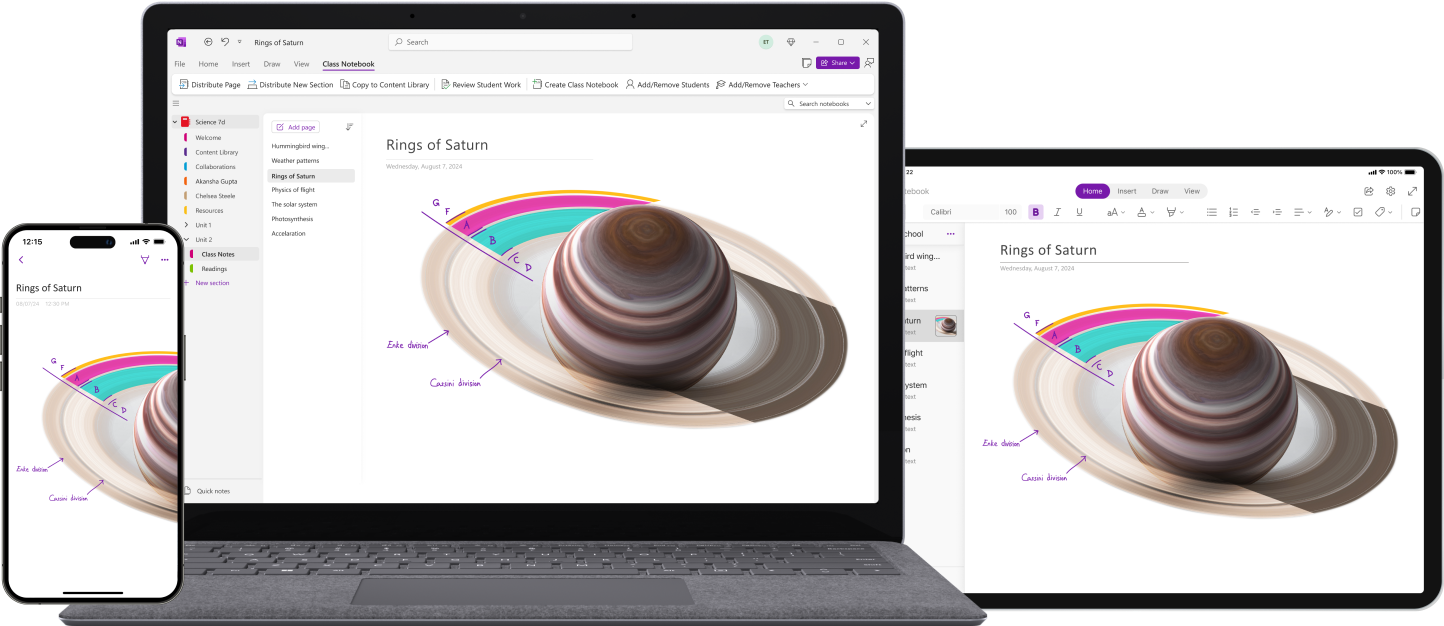
The Kindle Scribe OneNote Integration offers two distinct ways to handle your handwriting: as a literal image of your page or as searchable, editable text. Choosing the right one is vital for your long-term searchability.
Technical Deep Dive: The “Convert to Text and Share” feature uses a cloud-based AI engine to transcribe your pen strokes. During the Kindle Scribe OneNote Integration process, the AI looks for patterns in your stroke pressure and direction. It then produces a .txt or .docx file that is injected into a new OneNote page. This is the most powerful aspect of the Kindle Scribe OneNote Integration for researchers and students.
Workflow Application: If you are taking lecture notes or drafting a report, always choose the text conversion path. This makes your handwritten thoughts searchable within OneNote. You can search for a keyword on your iPhone’s OneNote app months later and find the exact “handwritten” thought you recorded on your Scribe, thanks to the Kindle Scribe OneNote Integration’s OCR capabilities.
Technical Deep Dive: For diagrams, mind maps, or sketches, the text conversion is useless. In these cases, the Kindle Scribe OneNote Integration renders the page as a high-fidelity PNG file (300 DPI). This ensures that every fine line and shading detail is preserved. If you are using the Colorsoft hardware, the Kindle Scribe OneNote Integration will maintain your color-coded highlights perfectly when it hits the OneNote canvas.
Workflow Application: When drawing architectural plans or creative storyboards, use the “Send to OneNote” as an image. Once it arrives in OneNote, you can “Set Picture as Background.” This allows you to type additional digital notes or technical specifications directly over your sketch without accidentally moving the image container, creating a professional-grade hybrid document.
Technical Deep Dive: Exporting a 50-page notebook can be taxing on the Kindle Scribe OneNote Integration. Amazon’s software handles this by creating a continuous vertical scroll in OneNote. However, if the notebook size exceeds 50MB, the Kindle Scribe OneNote Integration may split the export into multiple “Pages” within your OneNote section to prevent synchronization lag on mobile devices.
Workflow Application: To keep your Kindle Scribe OneNote Integration organized, keep your notebooks concise. Instead of one massive “Work 2026” notebook, create individual notebooks for “Project Alpha,” “Project Beta,” etc. This ensures that when you use the Kindle Scribe OneNote Integration, your OneNote sections remain logically organized and easy to navigate on smaller smartphone screens.
Sometimes the direct Kindle Scribe OneNote Integration isn’t enough, especially when dealing with large PDFs or complex templates. Utilizing Microsoft OneDrive as a bridge can significantly enhance your efficiency.
Technical Deep Dive: You can link your Scribe to your Microsoft OneDrive account. This allows you to “Import” PDFs directly onto the device. While this is separate from the direct Kindle Scribe OneNote Integration, it is part of the same productivity ecosystem. Annotations made on these PDFs are stored as a sub-layer, which can then be exported back to OneDrive and ultimately inserted into OneNote.
Workflow Application: If you have a 200-page manual in OneDrive, import it to your Scribe for a week of reading and marking up. Once finished, export the “Annotated PDF” back to your OneDrive. Then, use OneNote’s “File Printout” feature to pull those specific annotated pages into your project notebook. This two-step Kindle Scribe OneNote Integration creates a permanent, searchable record of your professional reading.
Technical Deep Dive: When using the OneDrive bridge alongside the Kindle Scribe OneNote Integration, version control is essential. If you edit a file on your PC while the same file is being annotated on the Scribe, you may encounter a sync conflict. Amazon’s cloud usually prioritizes the “most recent” save, which could lead to losing your pen strokes if you aren’t careful.
Workflow Application: Always treat the Kindle Scribe as the “Lead Document” while it is in your hand. Avoid opening the same PDF on your desktop until you have finalized your annotations and pushed them through the Kindle Scribe OneNote Integration or OneDrive export. This “Serial Workflow” ensures that your handwritten data is always the primary source of truth.
Technical Deep Dive: Many advanced users use hyperlinked PDF planners. The Kindle Scribe OneNote Integration is now smart enough to maintain the visual integrity of these tabs. However, once the page is exported as an image to OneNote, the hyperlinks become inactive. The Kindle Scribe OneNote Integration renders the page as a flat graphic to ensure it looks identical to the e-ink display.
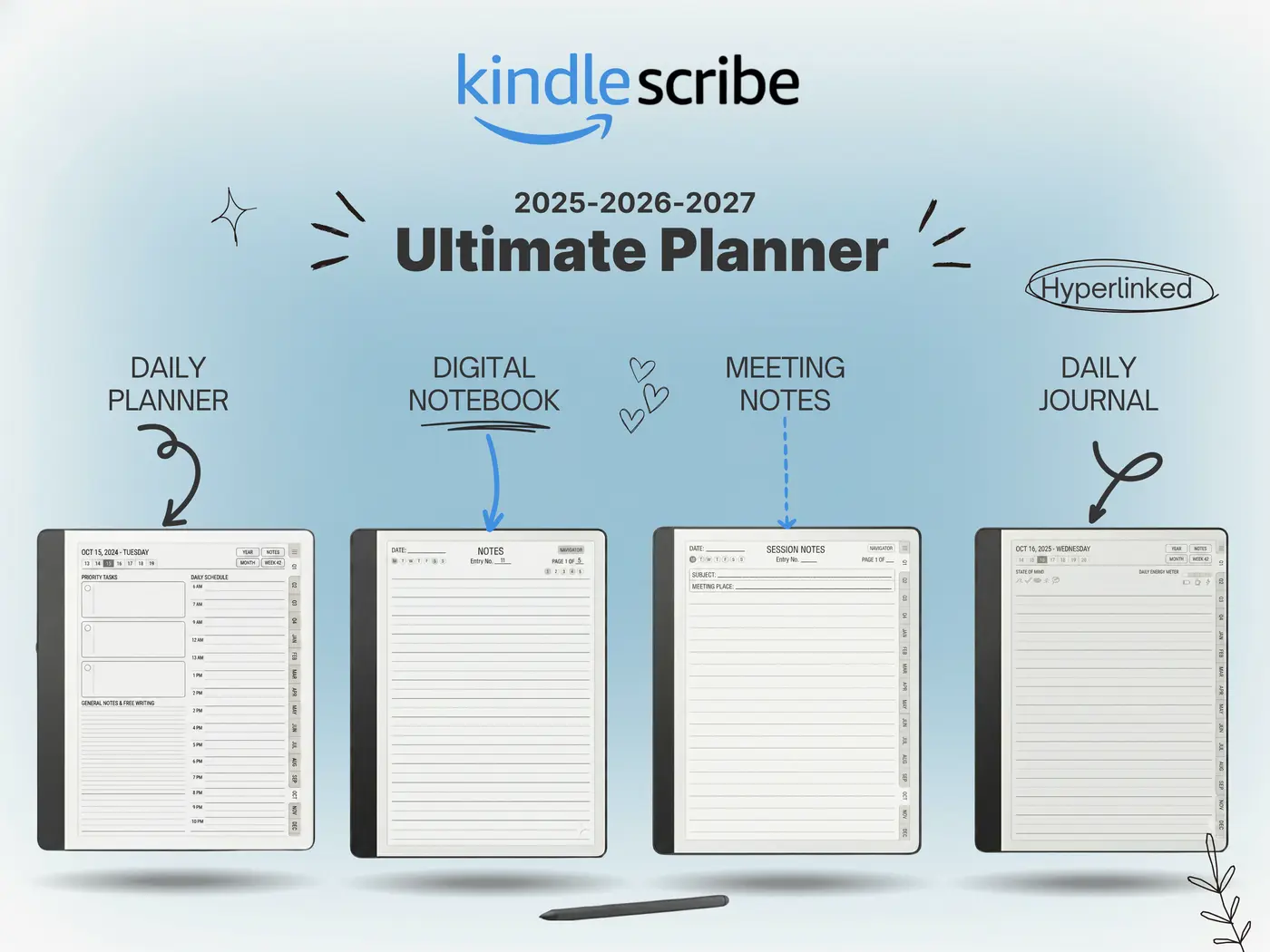
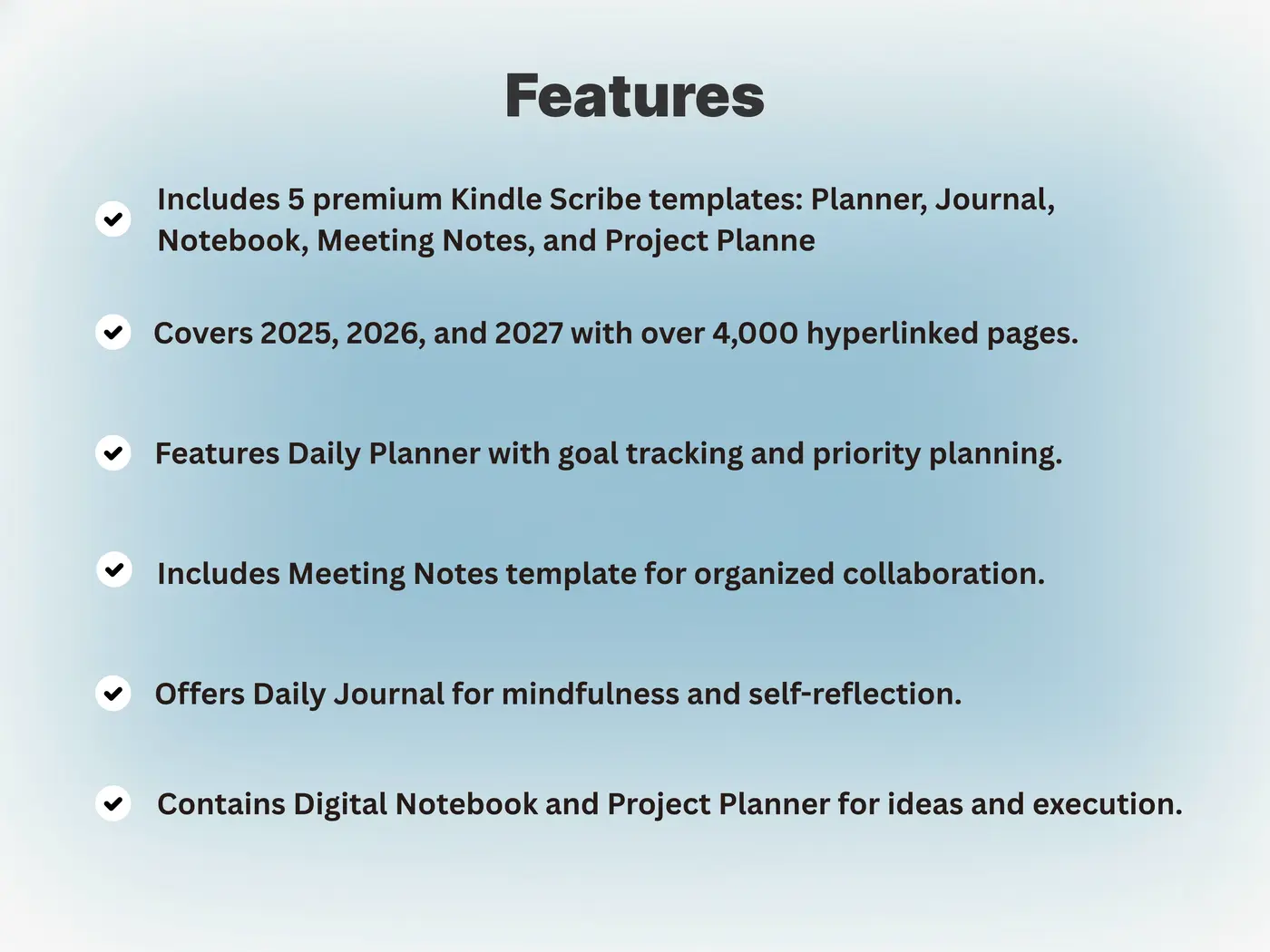
Workflow Application: For the best results, use professionally designed Kindle Scribe templates. Use the links for navigation while you are on the tablet. When you are ready to archive your week, export just the relevant pages via the Kindle Scribe OneNote Integration. This keeps your OneNote notebooks lean and focused on content rather than navigation menus that no longer function.
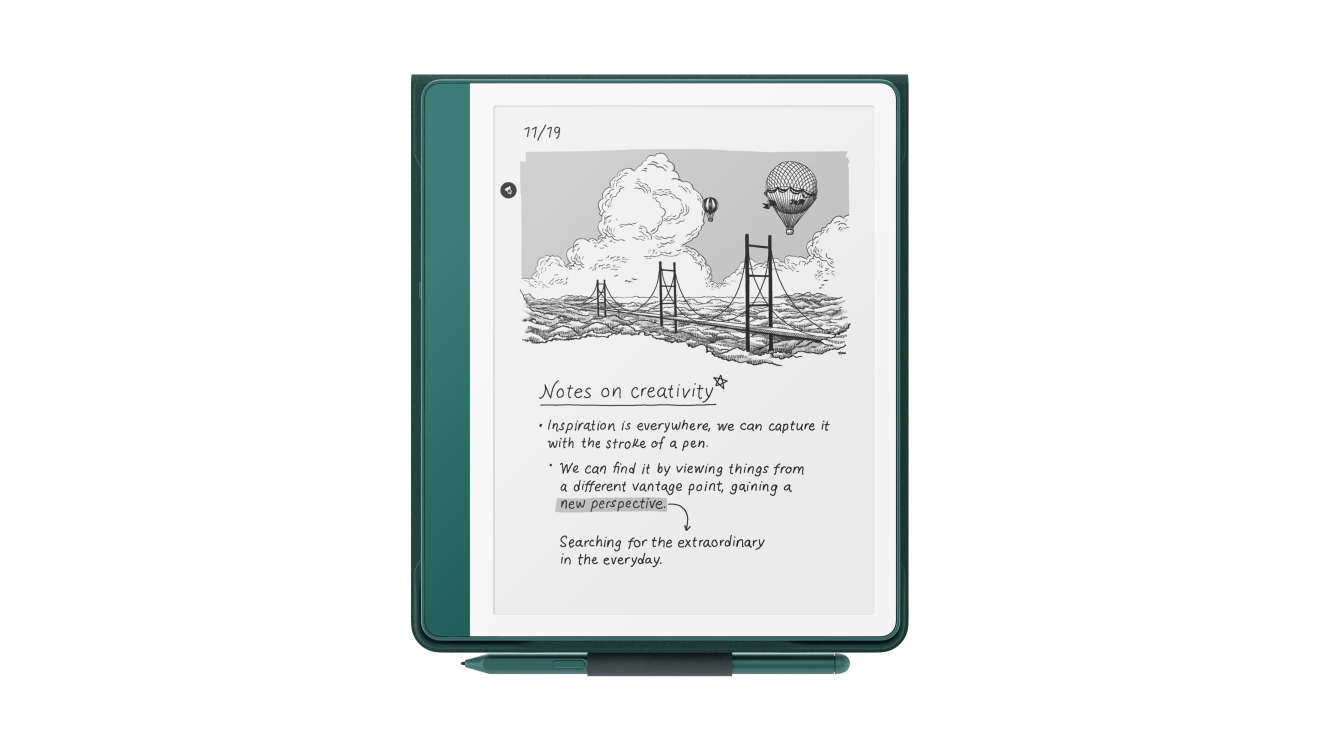
Even the best systems encounter friction. Mastering the Kindle Scribe OneNote Integration requires knowing how to troubleshoot common synchronization and formatting hurdles.
Technical Deep Dive: If you see a “Connection Failed” message, it is usually due to a “Stale Token.” The Kindle Scribe OneNote Integration relies on a security token that must be refreshed periodically. If your Microsoft password has changed or if your session has timed out after 30 days of inactivity, the Kindle Scribe OneNote Integration will fail silently.
Workflow Application: The “nuclear option” is actually the best first step: unlink your Microsoft account in the Scribe settings and then re-link it. This forces a fresh OAuth2 handshake and typically resolves 90% of Kindle Scribe OneNote Integration failures. Ensure you are on a 5GHz Wi-Fi band for faster data packets when sending large, image-heavy notebooks.
Technical Deep Dive: The Kindle Scribe OneNote Integration OCR struggles with “overlapping” strokes. If your handwriting is too cramped, the resulting OneNote page will be full of typos. The AI requires clear “white space” between characters to accurately tokenize the handwriting during the Kindle Scribe OneNote Integration process.
Workflow Application: Use the “Lined” or “Grid” templates on your Scribe. These act as visual guides that force your brain to space out your letters. By writing slightly larger and maintaining clear line breaks, you significantly increase the accuracy of the Kindle Scribe OneNote Integration text conversion, saving you time on manual corrections later.
Technical Deep Dive: Sometimes a notebook is sent via the Kindle Scribe OneNote Integration but doesn’t appear in OneNote. This is often because the export was sent to a “Default” notebook you don’t use often, or it’s stuck in the “Sent to Kindle” service queue. Amazon’s cloud can take up to 5 minutes to process and “hand off” the data to Microsoft’s API.
Workflow Application: If a document is missing, check your Amazon Send to Kindle dashboard. This web portal shows the status of every file processed by your account. If it shows “Complete” but it’s still not in OneNote, check the “Quick Notes” section of your primary OneNote notebook—this is the most common landing spot for the Kindle Scribe OneNote Integration.
The Kindle Scribe OneNote Integration is evolving. As we move through 2026, the intersection of AI and e-ink will only become more integrated into our professional lives.
Technical Deep Dive: Newer iterations of the Kindle Scribe OneNote Integration are beginning to experiment with “Semantic Search.” This allows the cloud to index your handwriting not just as letters, but as concepts. In the future, you could query OneNote for “Project Costs” and it would find the handwritten table you drew on your Scribe, even if you never converted it to text.
Workflow Application: Start using consistent headers in your handwriting now. Using a specific symbol (like a star or a box) for action items helps current AI models—and your own eyes—identify important data. By building these habits today, you are making your Kindle Scribe OneNote Integration archives ready for the next generation of AI search tools.
Technical Deep Dive: We are seeing a shift where the Kindle Scribe OneNote Integration is used for “Asynchronous Collaboration.” A manager marks up a proposal on their Scribe, pushes it to OneNote via the Kindle Scribe OneNote Integration, and then tags their team members in a comment on that same page. This combines the focus of e-ink with the speed of digital teamwork.
Workflow Application: Don’t just use the Kindle Scribe OneNote Integration for yourself. Use it as a bridge to your team. By exporting your handwritten feedback into a shared OneNote notebook, you give your colleagues the benefit of your “analog” thinking while keeping them within the digital workspace they use every day. It’s the best of both worlds.
| Workflow Mode | Best For | Output Format |
|---|---|---|
| Direct OneNote Export | Meeting Notes & Brainstorming | Searchable Text or PNG Image |
| OneDrive Bridge | Annotating Large Documents | Annotated PDF |
| Email-to-OneNote | Legacy Support / Quick Sharing | PDF Attachment |
| Send to Kindle App | Desktop-to-Scribe Transfers | KFX / Print Replica |
The Kindle Scribe OneNote Integration is the most effective way to turn your “analog” handwriting into a “digital” asset. By utilizing direct account linking, cloud-based OCR for text conversion, and the OneDrive bridge for PDF management, you can create a professional workflow that eliminates eye strain without sacrificing organization. While it remains a one-way export system, the speed and accuracy of the 2026 Kindle Scribe OneNote Integration make it a must-have for any serious digital note-taker.
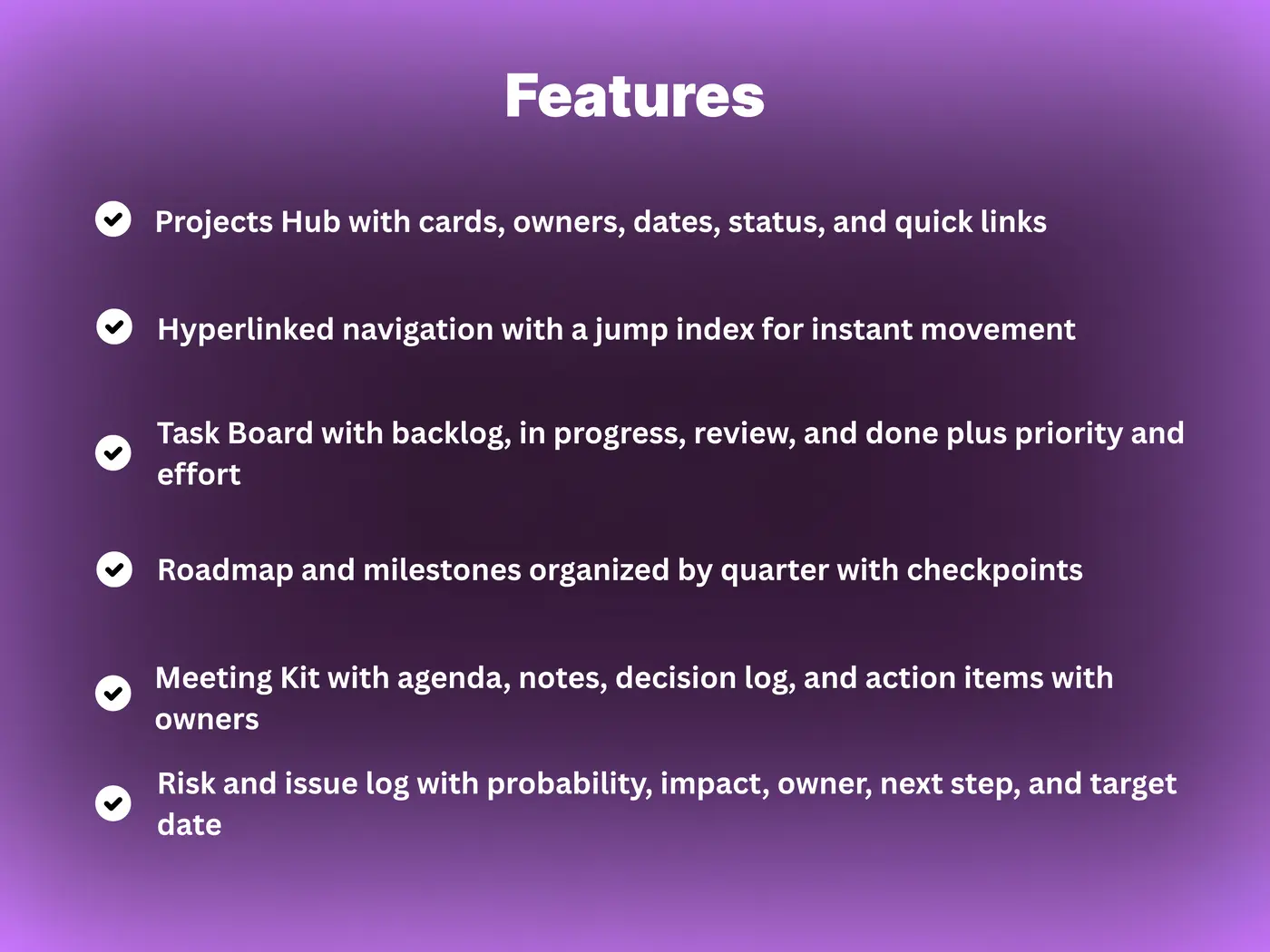
Ready to take your digital note-taking to the next level? Our premium OneNote-optimized templates are specifically designed to look beautiful on e-ink and organize perfectly when exported to Microsoft’s ecosystem.
Get the OneNote Template BundleThe Airbnb Off-Platform Fees policy, updated in May 2025, directly impacts how hosts handle pricing, communication, and payments. If you’re still asking whether it’s okay

Killer Of The Flower Moon Book Review This Killer Of The Flower Moon Book Review looks at David Grann’s bestselling nonfiction book that exposes one

The Secret of Secrets Book Review | Dan Brown’s Robert Langdon Returns Author: Dan BrownGenres: Thriller, Mystery, Speculative FictionPublication Date: September 9, 2025Publisher: DoubledayPages: 688