
Airbnb Off-Platform Fees – What Hosts Must Know in 2025
The Airbnb Off-Platform Fees policy, updated in May 2025, directly impacts how hosts handle pricing, communication, and payments. If you’re still asking whether it’s okay

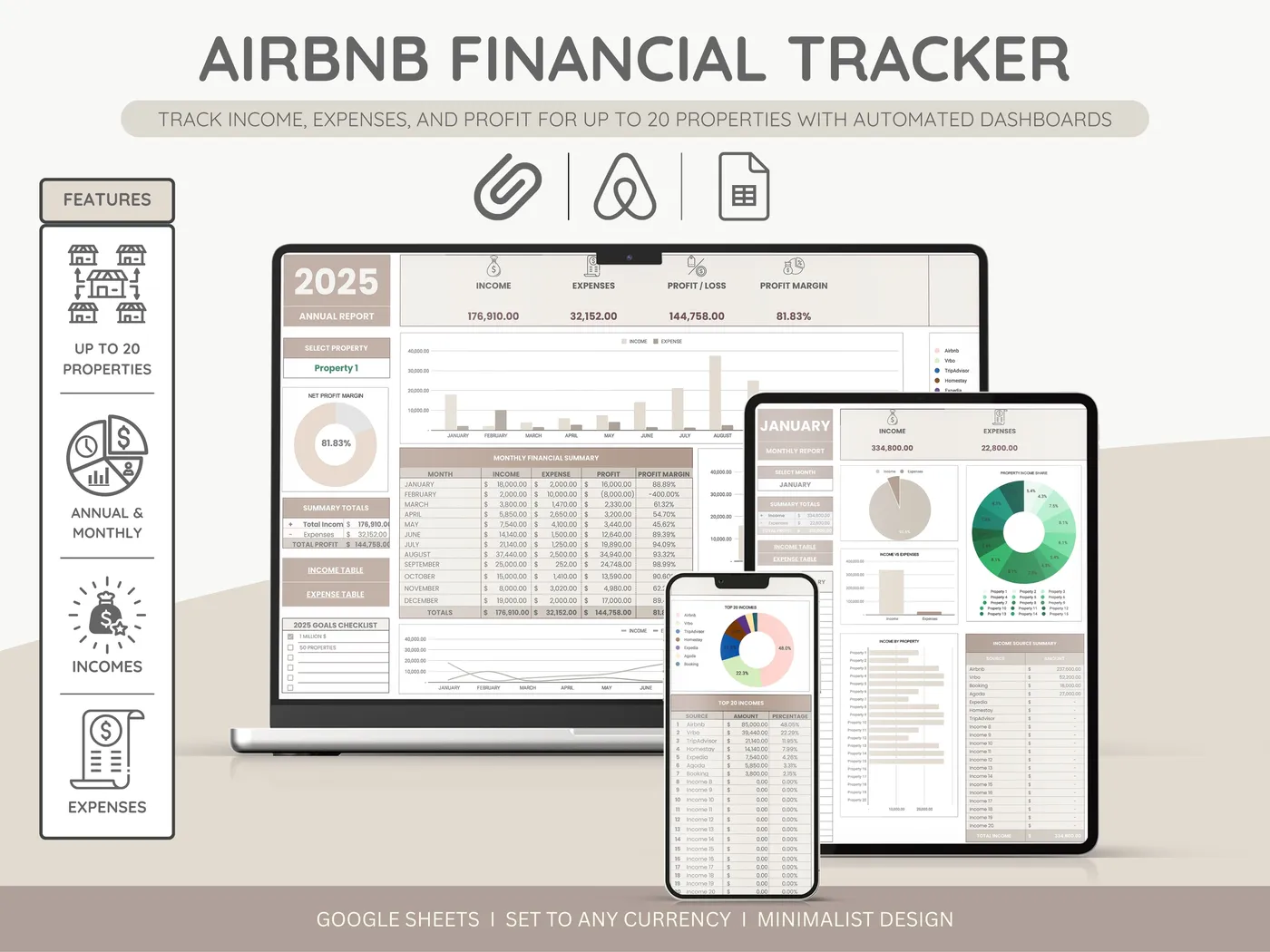
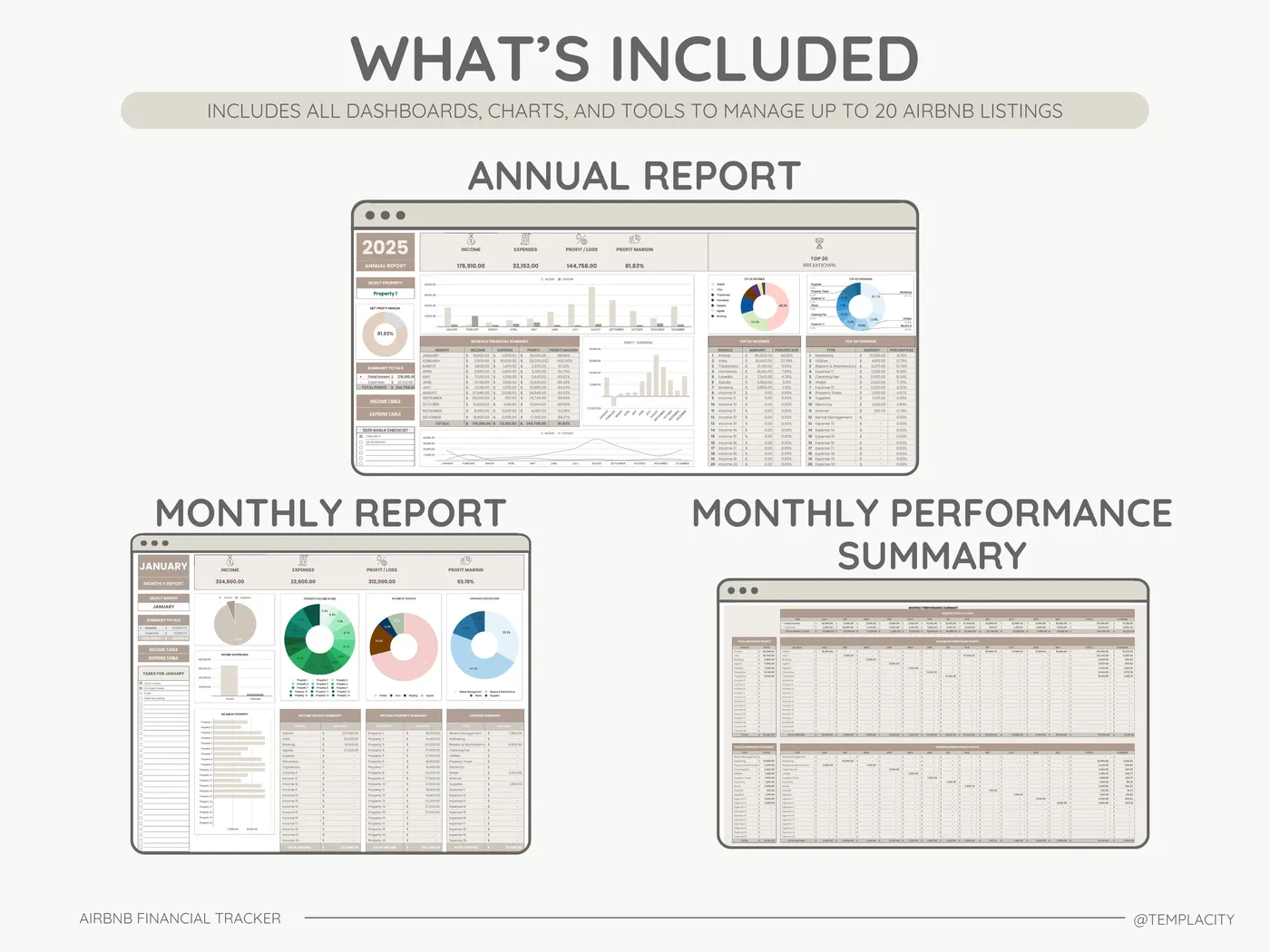
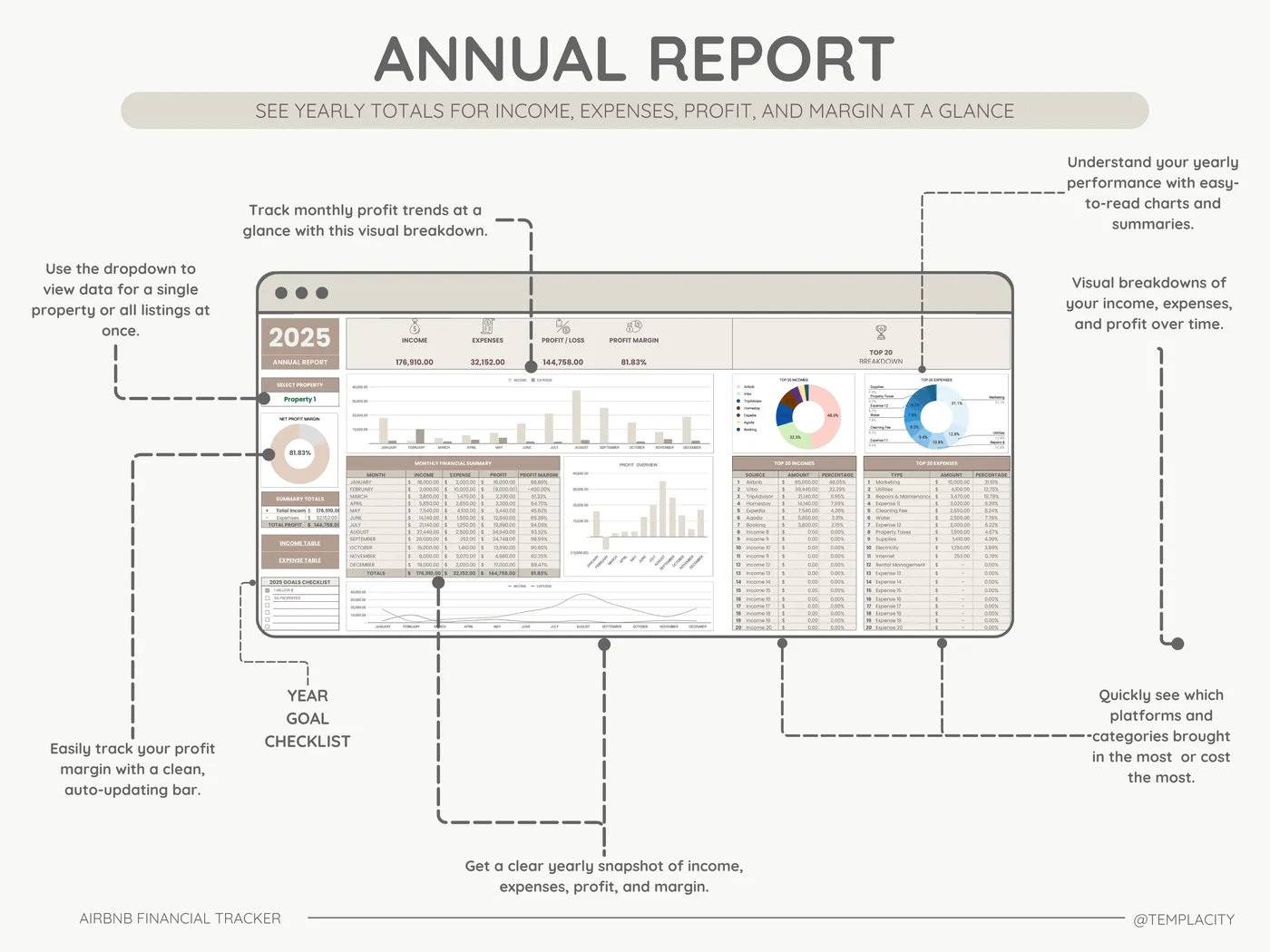
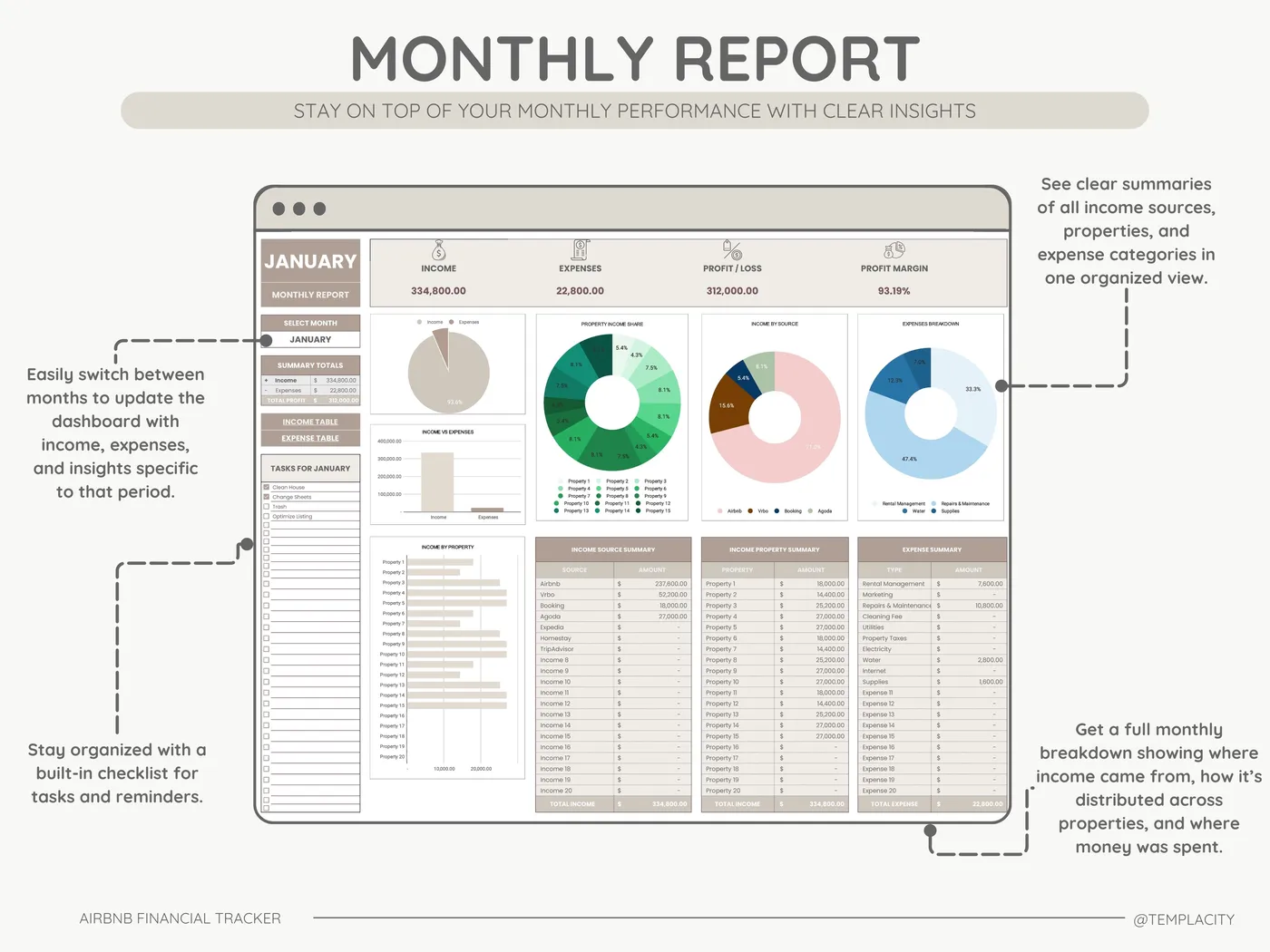
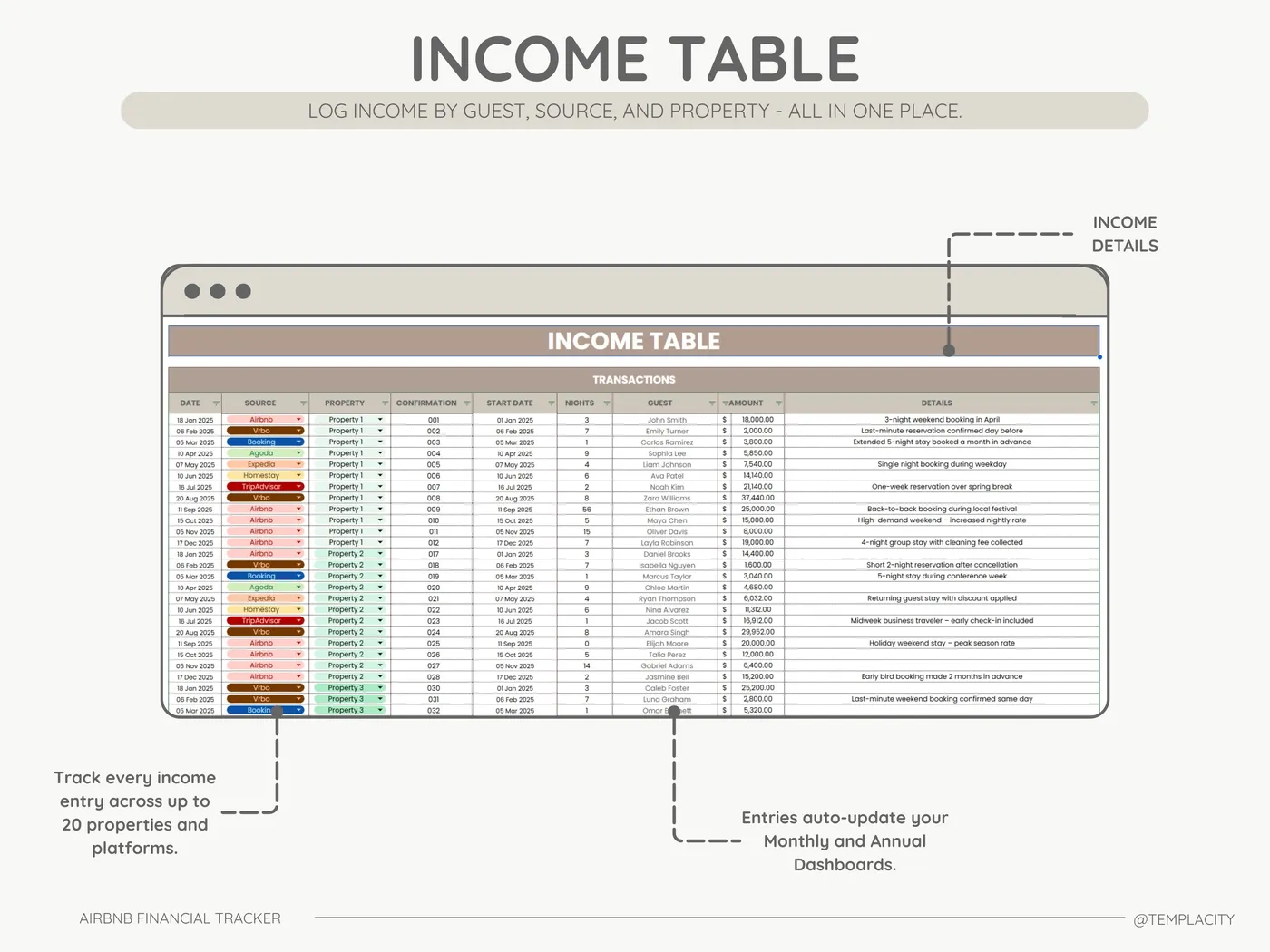
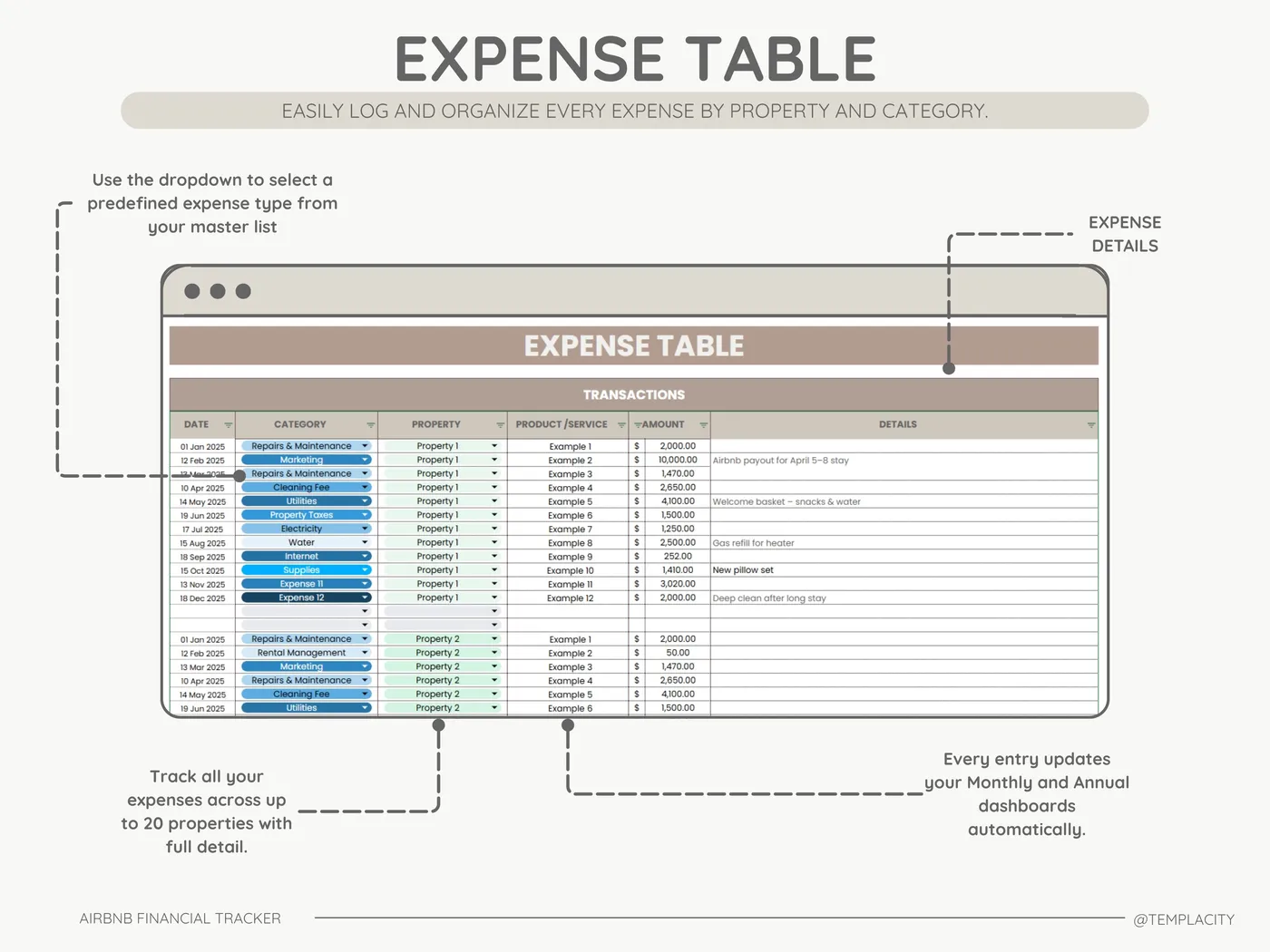
Transitioning a property from a casual side project into a formidable real estate asset requires a deep understanding of your financial metrics. Gross booking revenue looks impressive on a dashboard, but it obscures the underlying health of your investment. To evaluate whether your property is genuinely building wealth, utilizing an airbnb roi spreadsheet is an absolute operational necessity.

It is incredibly common for new property managers to celebrate a fully booked summer calendar while entirely neglecting the associated costs that diminish their profits. A platform dashboard will proudly display thousands of dollars in reservations, creating a false sense of prosperity. However, without an airbnb roi spreadsheet acting as your financial compass, those numbers are effectively meaningless.
Your return on investment is dictated by the precise margin left over after the mortgage, local transient taxes, utility surges, and platform commissions are paid. By inputting your raw payout data into a dedicated airbnb roi spreadsheet, you strip away the optimistic facade and confront your actual Net Operating Income (NOI). As detailed by financial analysts at Investopedia, defining your true NOI is the first mandatory step before any further investment analysis can take place.
Real estate is a math-driven industry. While beautiful photography and excellent hospitality generate the bookings, mathematics sustains the business. A properly configured airbnb roi spreadsheet automatically computes the specific metrics that commercial lenders and seasoned investors scrutinize.
The two most critical metrics are the Capitalization Rate (Cap Rate) and the Cash on Cash Return. The Cap Rate evaluates the property’s yield independently of your mortgage financing, allowing you to compare its performance against index funds or other properties in your market. Meanwhile, the Cash on Cash Return specifically measures how hard your actual invested capital—your down payment and furnishing costs—is working for you.
Instead of calculating these figures manually at the end of every quarter, a dynamic airbnb roi spreadsheet updates them instantly as new bookings and expenses are logged. This immediate feedback loop allows you to adjust your pricing strategy dynamically based on real-world performance rather than intuition.
A frequent error among independent operators is merging long-term property improvements with daily running costs. If you replace a broken refrigerator, logging that cost alongside your monthly internet bill heavily distorts your profitability for that specific month. A professional airbnb roi spreadsheet forces you to separate Operating Expenses (OpEx) from Capital Expenditures (CapEx).

Operating expenses are the recurring costs of doing business, including cleaning fees, consumable restocks, and specialized commercial insurance from agencies like Proper Insurance. Capital expenditures are significant investments that extend the life of the asset. By structuring your airbnb roi spreadsheet to isolate these large purchases, you ensure your month-to-month operational margin remains accurate and your accountant can easily calculate depreciation according to IRS guidelines for rental properties.
Short-term rentals are profoundly vulnerable to seasonal fluctuations. A common mistake is taking peak summer revenue, multiplying it by twelve, and assuming that represents your annual yield. An effective airbnb roi spreadsheet maps your cash flow on a month-by-month basis, highlighting the lean periods where revenue dips below fixed costs.
By cross-referencing your internal data with regional analytics from platforms like AirDNA, you can construct a predictive model. If your airbnb roi spreadsheet indicates that November and February will be cash-flow negative, you can strategically stockpile surplus revenue from July and August to bridge the gap safely. This proactive cash management prevents the panic that arises when a slow month coincides with a large property tax bill.
When you decide it is time to acquire a second or third property, commercial lenders will require meticulous documentation of your current success. Walking into a bank with a printed platform dashboard will not secure a commercial loan. However, presenting a flawlessly maintained airbnb roi spreadsheet demonstrates that you operate a disciplined, scalable enterprise.
Investment communities like BiggerPockets constantly advise that scaling should only occur when your existing assets are verifiably stabilized. Your airbnb roi spreadsheet serves as this exact verification. It proves to lenders, partners, and yourself that your property is generating sufficient cash flow to cover its debt service while providing a healthy surplus for future acquisitions.
The hospitality sector rewards those who provide exceptional guest experiences, but the real estate sector rewards those who manage their margins flawlessly. You cannot optimize an asset that you are not actively measuring.
Integrating a powerful airbnb roi spreadsheet into your monthly workflow is the single most effective way to eliminate financial anxiety. It transforms complex, chaotic booking data into a clear, actionable roadmap, ensuring your property remains a lucrative investment for years to come.
Skip the frustration of building complex financial models from scratch. Implement our customized Google Sheets tracking ecosystem designed specifically for modern property managers. It features automated Profit & Loss dashboards, precise expense categorizations, and the deep analytical metrics required to elevate your real estate operations.
Secure the Financial Tracking Template →The Airbnb Off-Platform Fees policy, updated in May 2025, directly impacts how hosts handle pricing, communication, and payments. If you’re still asking whether it’s okay

Killer Of The Flower Moon Book Review This Killer Of The Flower Moon Book Review looks at David Grann’s bestselling nonfiction book that exposes one

The Secret of Secrets Book Review | Dan Brown’s Robert Langdon Returns Author: Dan BrownGenres: Thriller, Mystery, Speculative FictionPublication Date: September 9, 2025Publisher: DoubledayPages: 688