Ultimate 2026 Guide to High-Performance Onyx Boox Templates
Ultimate 2026 Guide to High-Performance Onyx Boox Templates | Templacity Digital Productivity Ultimate 2026 Guide to High-Performance Onyx Boox Templates The current hardware landscape for

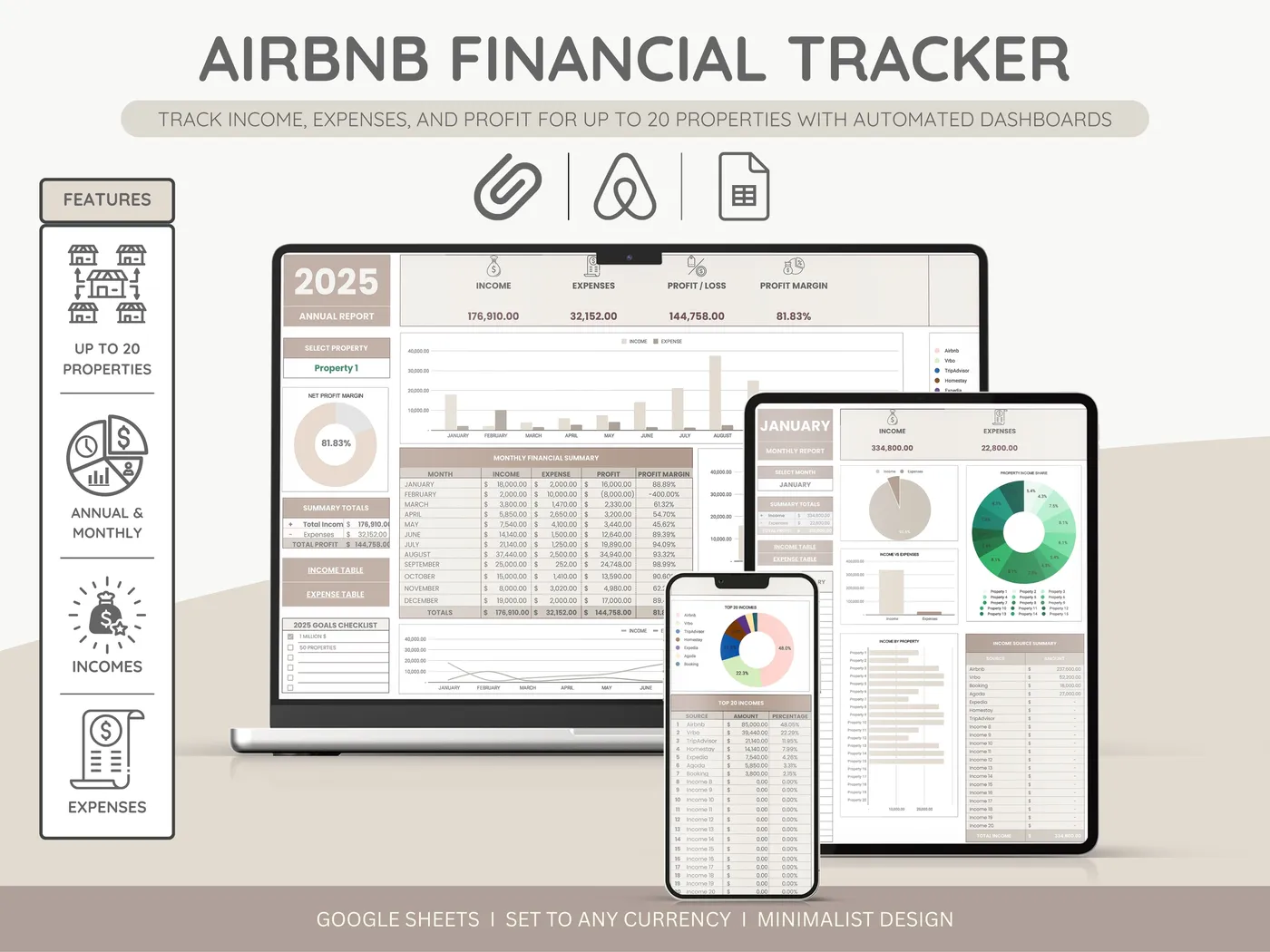
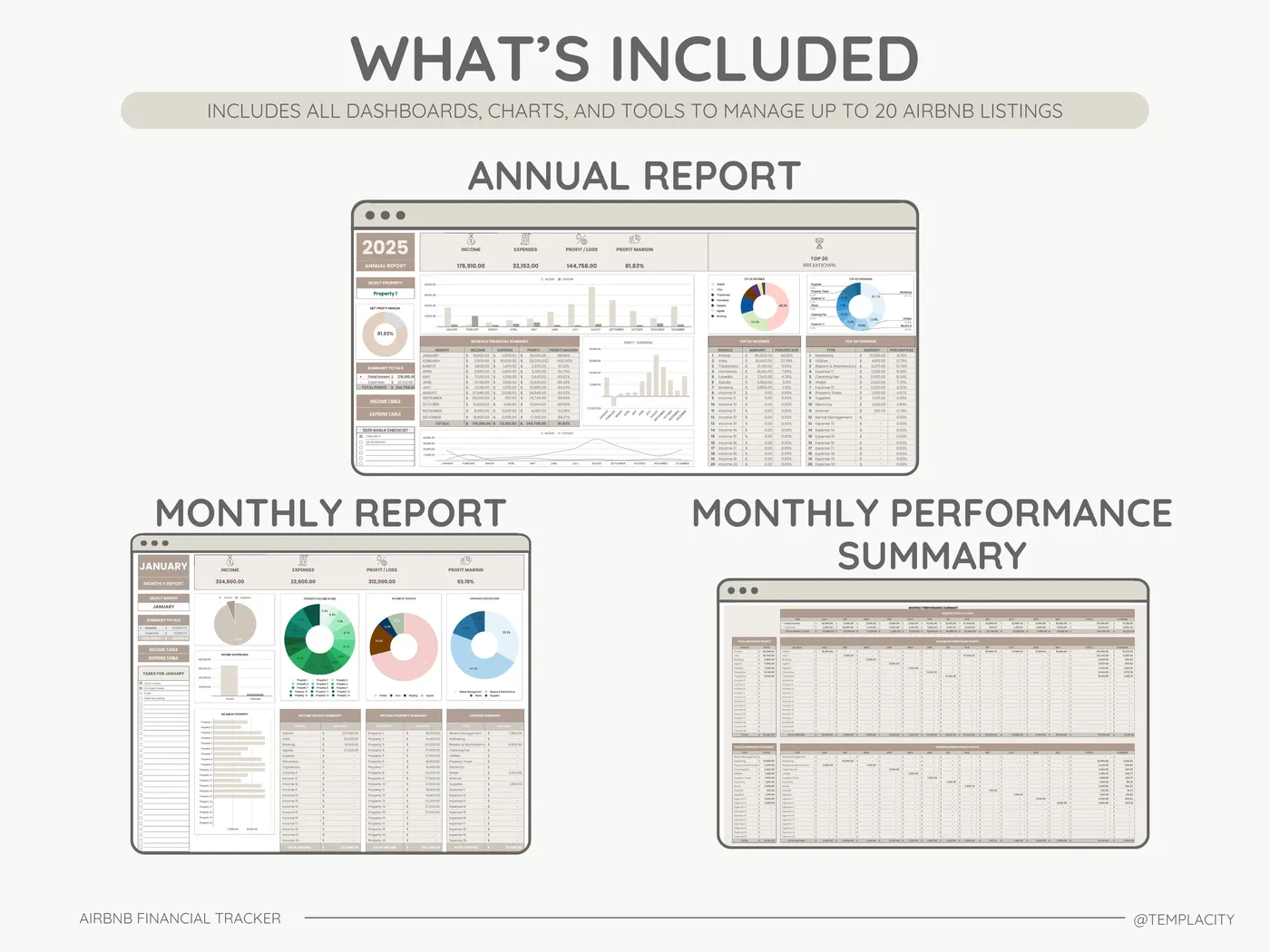
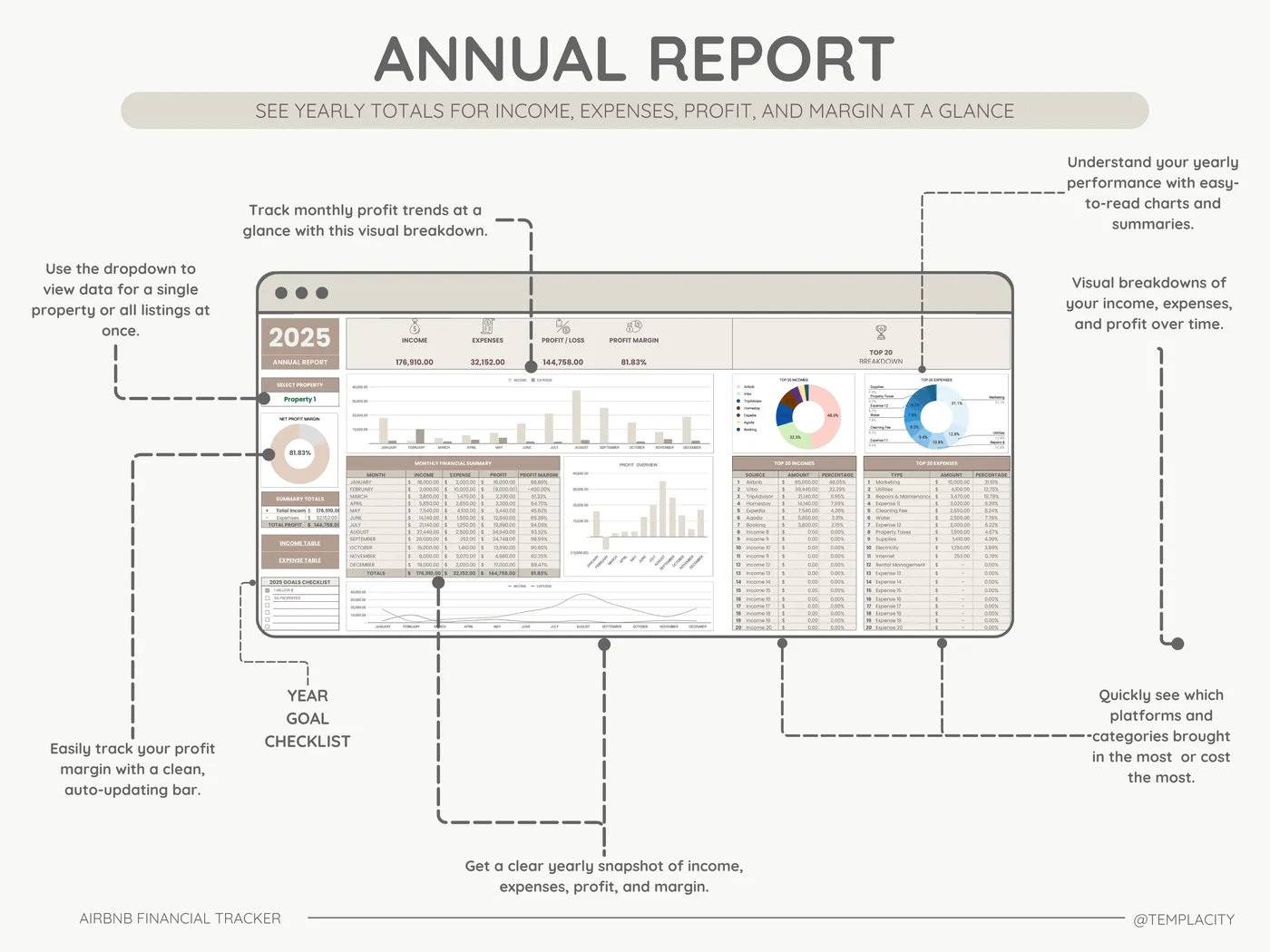
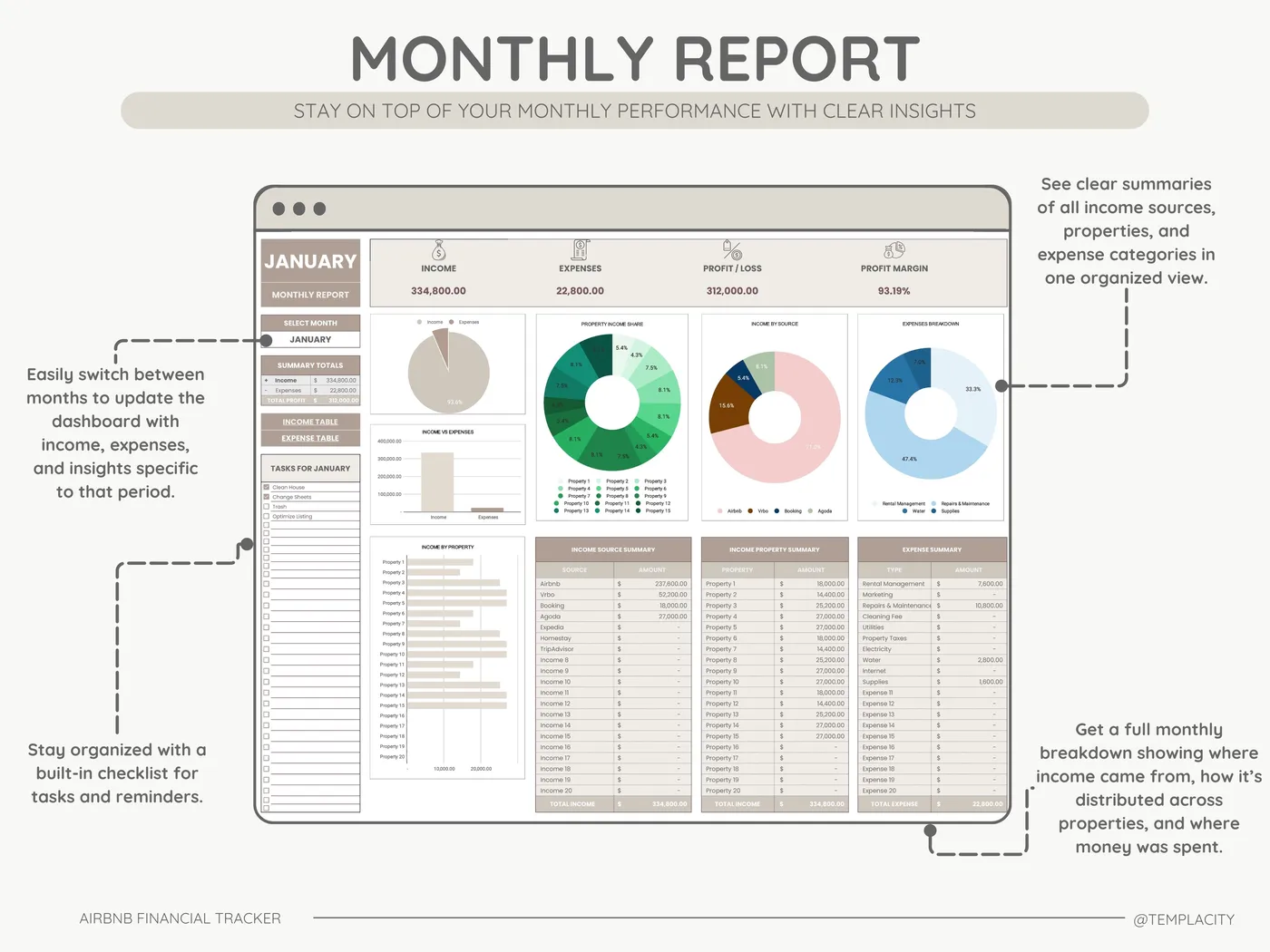
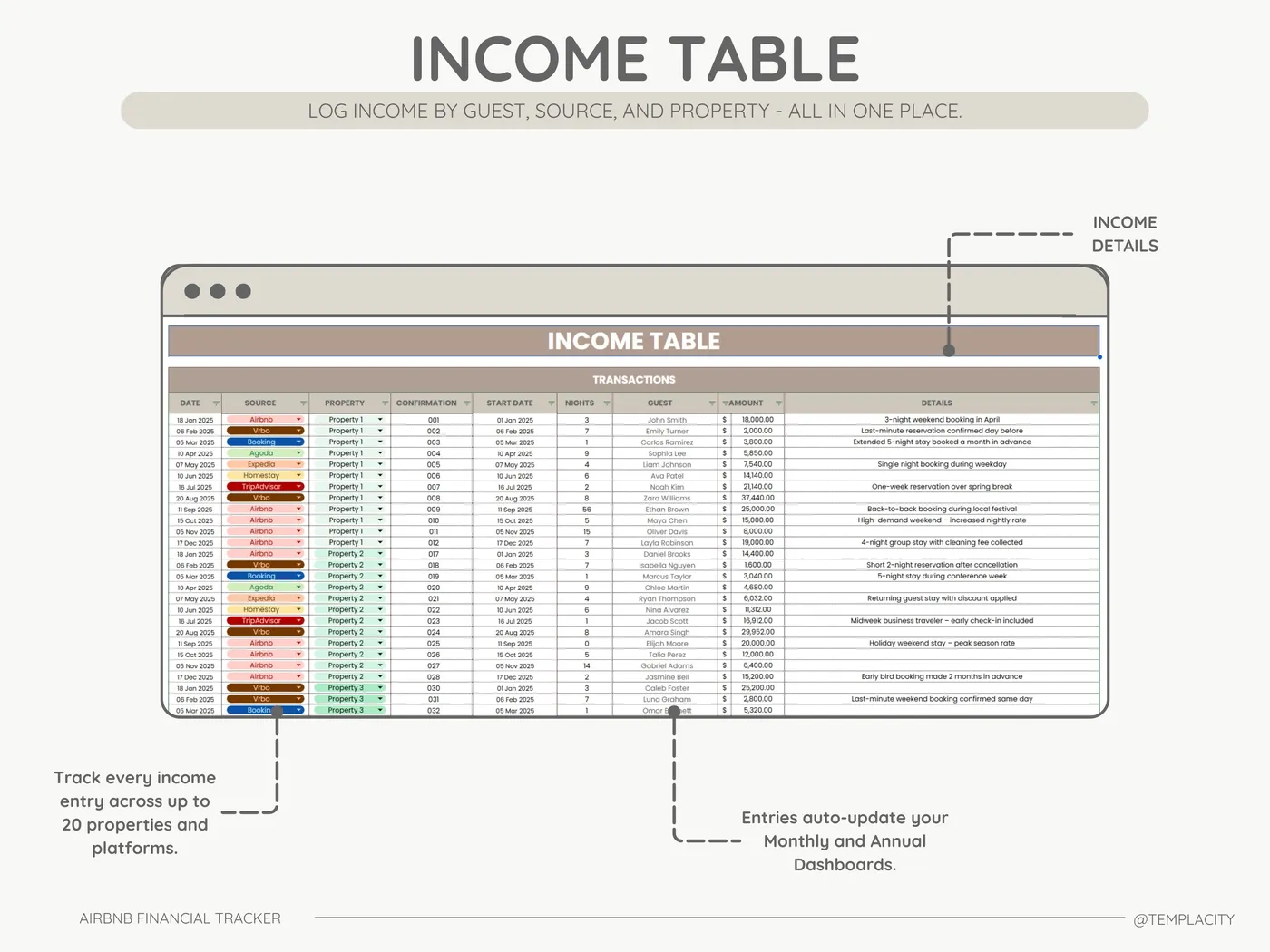
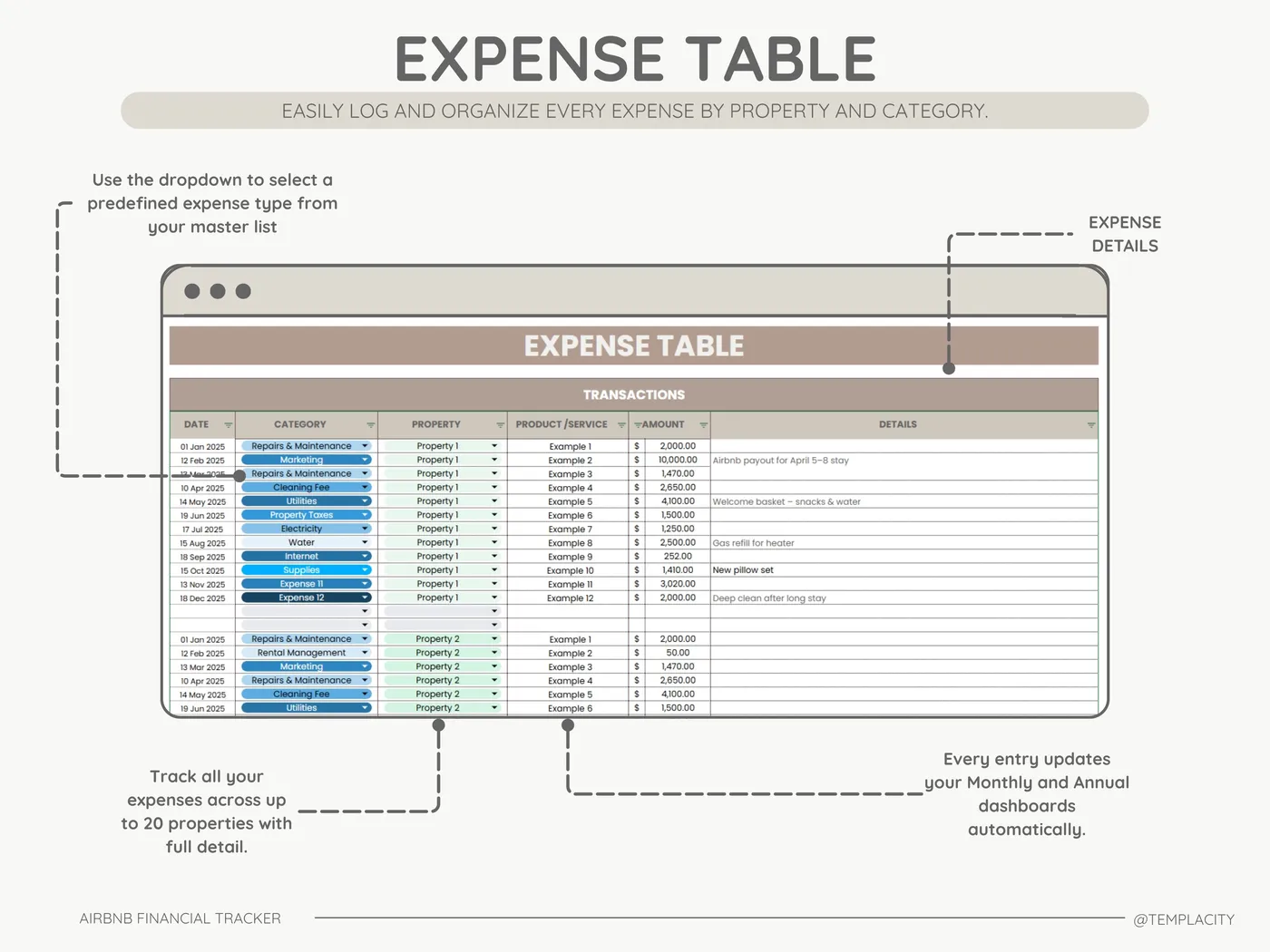
Buying a property based on a “gut feeling” is a guaranteed way to lose your shirt in the short-term rental market. Before you sign a mortgage or buy a single piece of furniture, building an airbnb proforma is the most critical step you can take. Without an airbnb proforma, you are gambling with hundreds of thousands of dollars, completely blind to your actual break-even point.

In traditional real estate and corporate finance, a “pro forma” is a Latin term meaning “as a matter of form.” According to financial experts at Investopedia, it refers to financial statements that project future outcomes based on specific assumptions. Therefore, a true airbnb proforma is a forward-looking financial model designed specifically for a short-term rental property.
It differs entirely from a Profit and Loss (P&L) statement. A P&L looks backwards—it tells you how much money you made last year. Your airbnb proforma looks forwards—it predicts how much money you will make next year, assuming a specific occupancy rate, a specific average daily rate, and a specific set of operating expenses. It is the theoretical blueprint of your business.
Investors use these documents to secure bank loans, pitch to private money lenders, or simply convince their spouses that buying a cabin in the woods is a mathematically sound idea. If the document shows a negative cash flow under conservative estimates, you kill the deal before it kills your finances.
The most common reason new investors fail is unfounded optimism. Plugging numbers into your airbnb proforma requires cold, hard data, not wishful thinking. You cannot assume your property will be booked 100% of the time at your peak holiday rate.
To calculate your Gross Potential Rent (GPR), you need two metrics: Average Daily Rate (ADR) and Occupancy Rate. You must source these numbers from reliable market data tools like AirDNA or PriceLabs, analyzing comparable properties (comps) in your exact zip code. If the average two-bedroom home in your market operates at a 60% occupancy rate with an ADR of $150, your airbnb proforma must reflect conservative estimates at or slightly below those averages.
Revenue is only vanity; profit is sanity. The expenses tab of your airbnb proforma is where the real business is modeled. To achieve accuracy, you must split your operational costs (OpEx) into Fixed and Variable categories.
Fixed Expenses happen regardless of whether the property is booked. This includes your mortgage (Principal and Interest), property taxes, HOA fees, high-speed internet, and insurance. Note that standard homeowner’s insurance is voided by short-term rental activity; you must budget for a commercial policy from providers like Proper Insurance.
Variable Expenses scale with your occupancy. If your airbnb proforma ignores utility spikes during the summer, or forgets to account for the platform’s 3% to 15% booking commission, your ROI calculations will be completely ruined. You must also forecast the replacement of consumables (toilet paper, coffee, soap) and the cost of your cleaning team.
Before a guest can walk through the door, you have to spend a significant amount of cash. An accurate airbnb proforma doesn’t just calculate monthly cash flow; it calculates your total initial capital requirement. This is the amount of money you need in the bank on Day 1.

This section is known as Capital Expenditures (CapEx). It includes your down payment, closing costs, municipal short-term rental permits, and the entire cost of furnishing the property from top to bottom. But CapEx is not just a startup concern. A realistic airbnb proforma includes “replacement reserves”—a percentage of monthly revenue set aside to eventually replace the roof, the HVAC system, or the sofa that a guest inevitably ruins.
Factoring this into your airbnb proforma saves you from financial ruin when a $5,000 emergency repair arises in year three. It ensures the business is self-sustaining. For guidelines on how to handle the depreciation of these large assets, it is highly recommended to consult the IRS rules for Residential Rental Property.
Once you have your Gross Revenue and your Operating Expenses, you can determine your Net Operating Income (NOI). This is the number that matters. Creating an airbnb proforma from a blank sheet of paper is tedious, but it is necessary to calculate the two most important metrics in real estate investing, heavily discussed on forums like BiggerPockets.
| Metric | Formula | Why It Matters |
|---|---|---|
| Capitalization Rate (Cap Rate) | NOI / Property Purchase Price | Measures the unleveraged rate of return. Helps compare the property to index funds or other real estate. |
| Cash on Cash Return (CoC) | Annual Pre-Tax Cash Flow / Total Cash Invested | Measures how hard your actual invested cash (down payment + furnishings) is working for you. |
| Break-Even Point | Total Fixed Costs / (ADR – Variable Costs per night) | Tells you exactly how many nights you must book per month just to avoid losing money. |
A dynamic airbnb proforma updates your Cap Rate and Cash on Cash return the moment you adjust the Average Daily Rate cell. This allows you to run stress tests: “What happens to my ROI if a recession hits and my occupancy drops by 15%?” If the spreadsheet turns red, you know the deal is too risky.
Buying a short-term rental property is one of the most exciting entrepreneurial leaps you can make. It is incredibly easy to fall in love with a beautiful cabin with a great view and ignore the glaring financial red flags. Never sign a mortgage without an airbnb proforma validating your thesis.
The math doesn’t lie, it doesn’t have emotions, and it doesn’t care about the view from the deck. It only cares about cash flow. By building a rigorous financial model before you launch, you transition from a hopeful amateur into a calculated, risk-averse real estate investor.
Don’t waste hours trying to build complex financial formulas from scratch. Get our Ultimate 2026 Google Sheets Template. It features automated projection dashboards, expense categorization, and deep ROI metrics built specifically for modern short-term rental hosts.
Shop the 2026 Spreadsheet Template →